
Last updated October 30, 2026
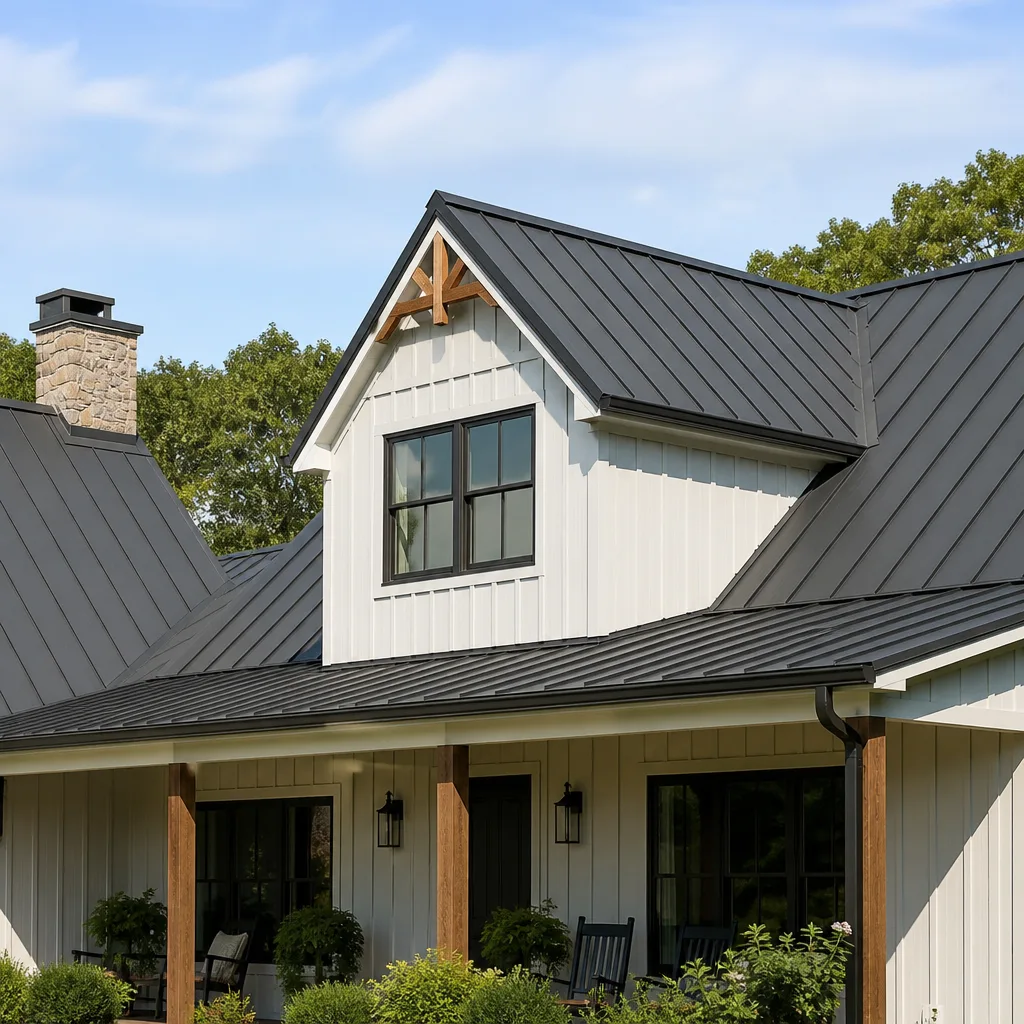 Metal roofing
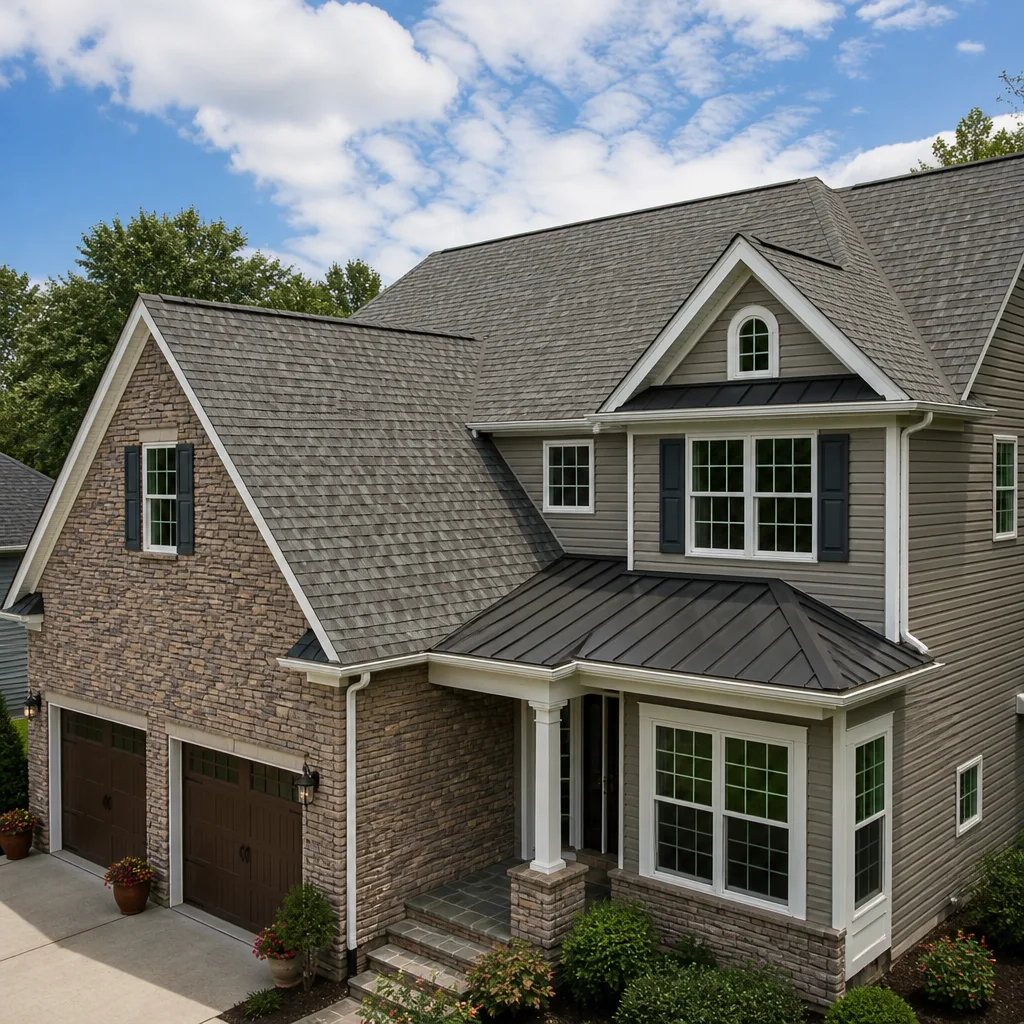 Architectural shingles
 Tile roofing
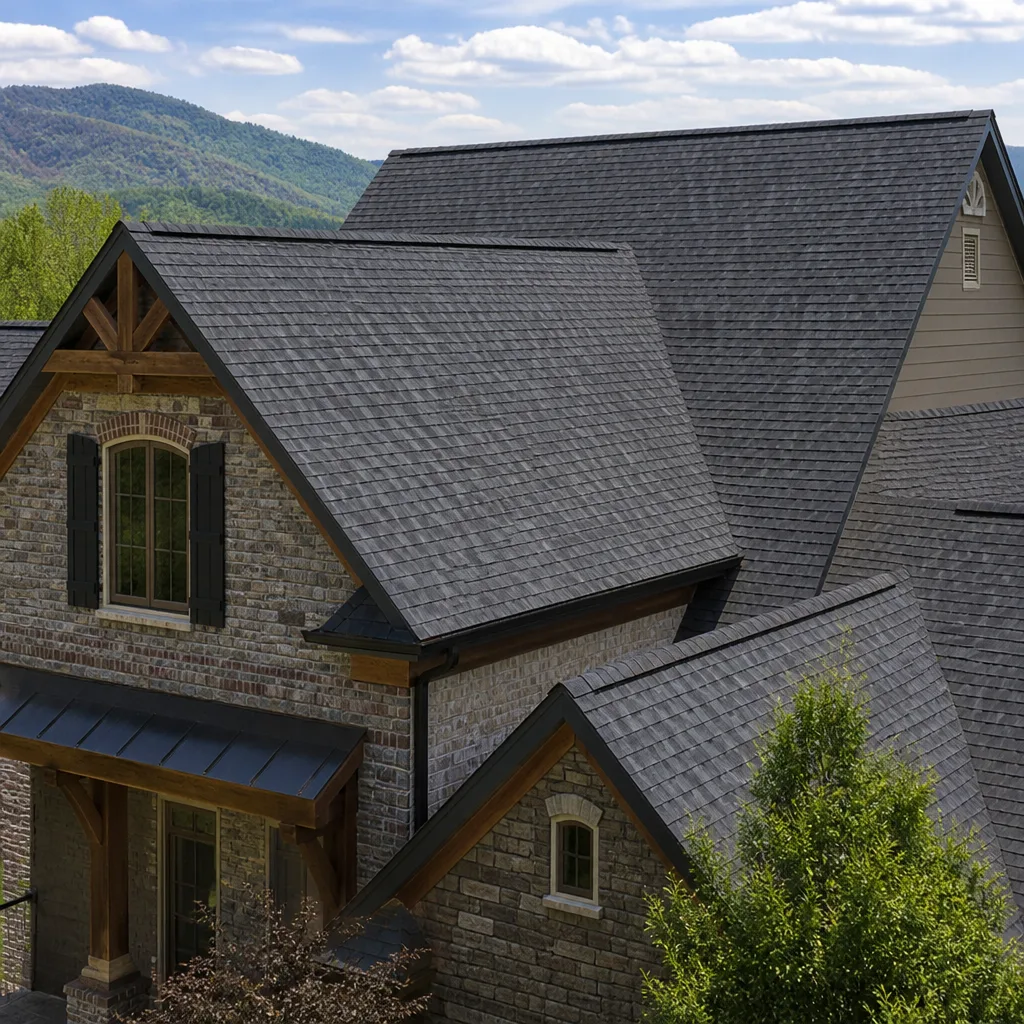 GAF
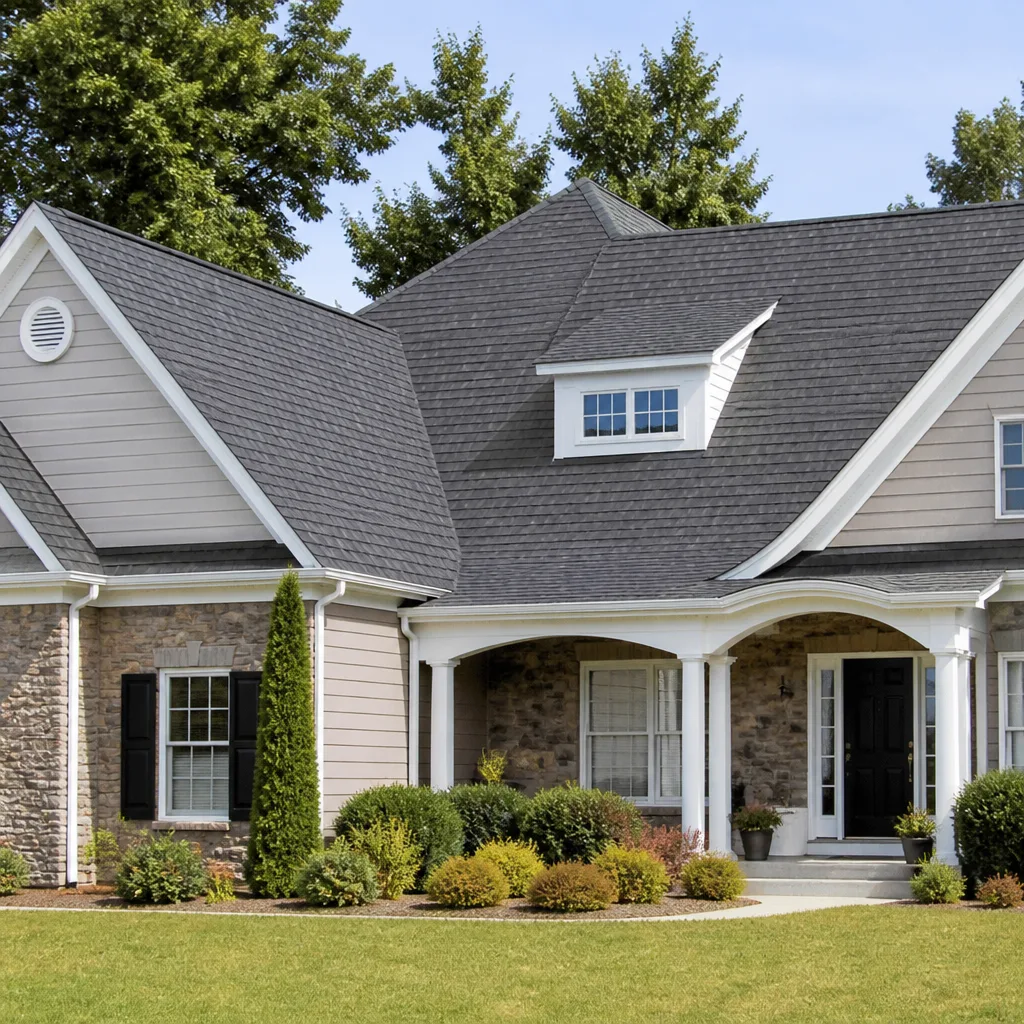 Owens Corning
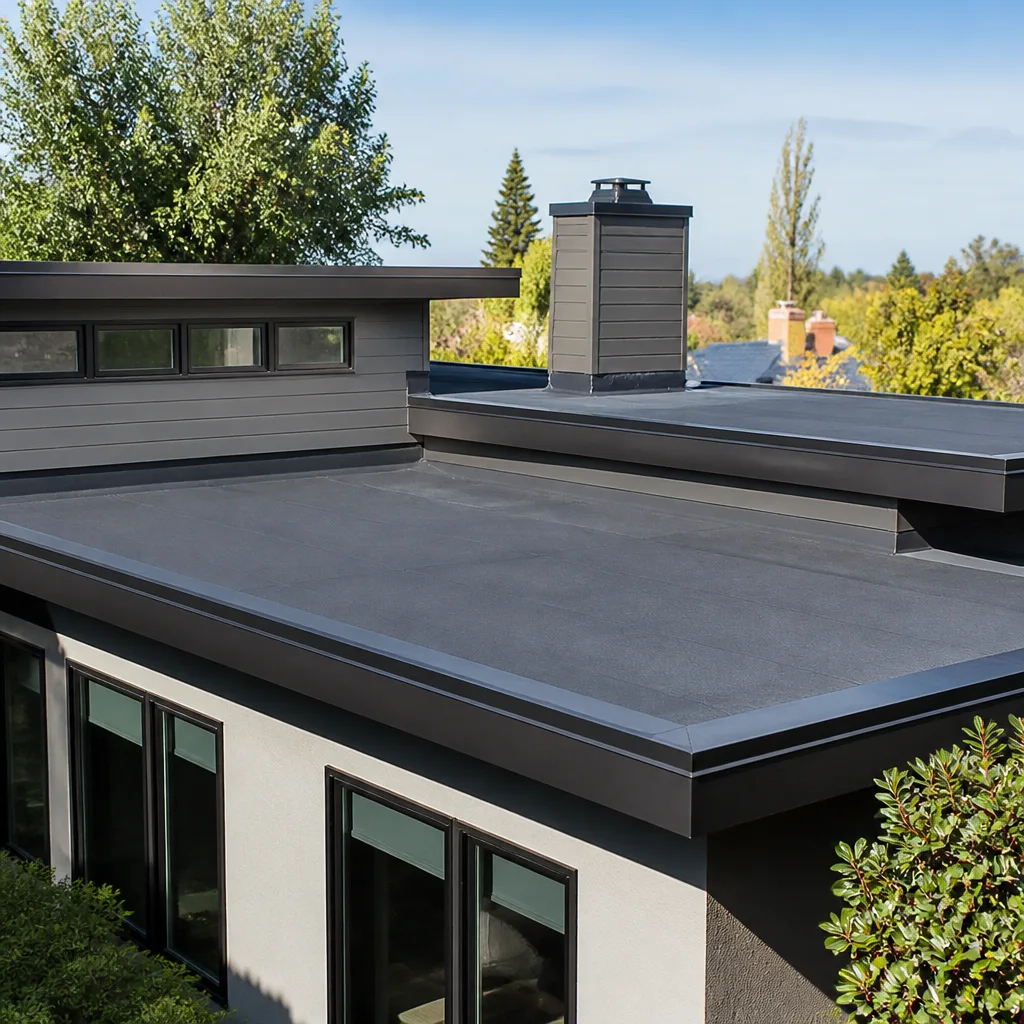 Flat & low-slope
Free roof inspection with deck photos before we talk money - GAF and Owens Corning certified installation
Roofing Permits, Codes & Inspections in CA: What You Need to Know
In California, replacing more than 50% of your roof surface in a 12-month period almost always triggers Title 24 cool-roof requirements. Most homeowners cross that threshold without realizing it, and the result can be an inspector requiring a different shingle product than the one you already paid for. This guide walks you through exactly when permits are required, how California’s energy code changes your material options, what Mission Viejo’s inspection process actually looks like, and how an unpermitted roof can come back to haunt you during an insurance claim. For more guides & resources, see our blog.
Styles & brands we work with
Quick Answer
Most roof replacements and major repairs in California require a building permit, and any re-roof covering more than 50% of the roof area in 12 months must meet Title 24 cool-roof standards. In Mission Viejo, permits go through the City’s Building Services division, typical review takes 5 to 10 business days, and inspections happen at specific stages: underlayment, and final. Skipping a required permit creates liability exposure, can void portions of your homeowners insurance coverage, and complicates any future sale.
Table of Contents
- When a Roofing Permit Is Required in California
- How Title 24 Cool-Roof Standards Affect Your Material Choices
- Mission Viejo’s Permit Process: Application to Final Sign-Off
- What Actually Happens at Each Inspection Stage
- What Unpermitted Roofing Work Means for Insurance Claims
- WUI Zones and Fire Ratings in South Orange County
- Common Mistakes to Avoid
- When to Call a Professional
- Frequently Asked Questions
- The Bottom Line
When a Roofing Permit Is Required in California
California Building Code Section 105.1 requires a permit for any roof work that involves structural repairs, replacement of the roof covering, or changes to the roof assembly. That covers full replacements, of course, but it also covers what many people think of as a “repair.” If you’re replacing more than two shingles and the work affects the underlayment, the code considers it a re-cover or replacement, not a repair.
Here’s what actually requires a permit:
- Full roof replacement – always requires a permit, no exceptions in any California jurisdiction.
- Partial replacement exceeding 50% of roof area within 12 months – triggers both permit and Title 24 compliance requirements.
- Re-roofing over existing shingles – allowed only in limited circumstances and requires a permit showing the existing layer meets current code.
- Roof sheathing replacement – structural work, always permitted, often requires an additional nailing inspection.
- Skylight or roof penetration changes – altering the roof assembly means permit territory.
And here’s what can legally be done without a permit in most California cities:
- Replacing fewer than a handful of individual shingles as spot repair, provided no underlayment is disturbed.
- Clearing gutters, downspouts, and valley debris.
- Re-caulking flashing joints where the underlying material is sound.
- Applying roof coating or sealant to extend the life of an existing roof, in some jurisdictions.
The risk of skipping a permit when one is required is not theoretical. In Mission Viejo, a re-roof without permits can trigger a stop-work order if a neighbor reports the project, and the City can require the entire roof to be removed and reinstalled to verify underlayment compliance. That’s a five-figure mistake. We’ve seen it happen, including on homes in lakefront neighborhoods near Mission Viejo where neighbors notice a roofing trailer in the driveway before the first tear-off is complete.
How Title 24 Cool-Roof Standards Affect Your Material Choices
California’s Title 24 Part 6 energy code requires “cool roof” ratings on most residential re-roofs in climate zones 10 through 15. Orange County sits in climate zone 8, which historically exempted parts of the county, but Mission Viejo’s specific designation and recent code cycles have tightened the requirements. When a re-roof triggers Title 24, the shingle product you install must meet a minimum aged solar reflectance of 0.20 and a thermal emittance of 0.75, or carry a CRRC (Cool Roof Rating Council) product rating that complies.
What this means practically: you cannot always do a like-for-like replacement with the same shingle you had before if that shingle’s color or formulation falls below the cool-roof threshold. Our guide to Roofing Warning Signs: A Mission Viejo Homeowner’s Reference Guide covers how to spot when your existing roof may already be failing these standards. A homeowner with a dark architectural shingle from 2004 may find their preferred replacement color no longer passes Title 24, and the inspector will flag it at final inspection if the product documentation doesn’t match the roof that was installed.
The good news is that the major manufacturers have adapted. CertainTeed’s Landmark Solaris line, Owens Corning’s Duration Cool series, and IKO’s Cool Colors collection all carry CRRC ratings that satisfy Title 24 in most California climate zones. If you’re weighing brands, our Choosing the Right Roofing Brand: A Buyer’s Guide for Mission Viejo breaks down how to match product lines to local code requirements. Atlas also produces cool-rated shingle options that meet the minimum reflectance without sacrificing the color depth many Mission Viejo homeowners want. In our experience, the most common surprise is a homeowner selecting a specific Owens Corning Duration color at the supply house, only to find that color is not in the Cool series, which means the inspector has the authority to reject the installation.
When you’re planning a re-roof, ask your contractor for the CRRC product ID sheet for the exact shingle and color you’re buying, before the order is placed. If they look confused by that request, that’s a signal they don’t handle South Orange County permits regularly.
Mission Viejo’s Permit Process: Application to Final Sign-Off
Mission Viejo’s Building Services division processes residential roofing permits through the City’s online portal, though paper applications are still accepted at City Hall on La Paz Road. The process starts with a roofing permit application that includes the project address, scope of work, contractor license information, and product specifications for the new roof system.
Here’s the step-by-step from application to final sign-off:
- Submit the application and supporting docs. You’ll need the contractor’s state license number, a scope-of-work description, and the shingle manufacturer’s product data sheet showing Title 24 compliance. Most roofers handle this for you, but you should verify it’s been done.
- Pay permit fees. Mission Viejo’s roofing permit fees are calculated on project valuation. A typical single-family re-roof in Mission Viejo runs $400 to $900 in permit fees depending on roof size and whether structural work is involved.
- Wait for review. Standard roofing permit review in Mission Viejo takes 5 to 10 business days. If the application references a shingle product without a CRRC rating, expect a correction notice that adds another week.
- Receive the permit and post it. The permit card must be visible from the street during the entire project. Code enforcement officers drive through Mission Viejo neighborhoods regularly and do check.
- Schedule inspections. Two inspections are typical: one at underlayment, one at final. Larger projects may need a third if sheathing is replaced.
- Get final sign-off. Once the final inspection passes, the City records the permit as closed. Keep that documentation; you’ll want it when you sell the house.
Roofing contractors are legally required to pull the permit in their name as the licensed contractor. If a homeowner pulls the permit themselves and the contractor does the work, that’s a red flag that can expose the homeowner to liability if the work is non-compliant. In Mission Viejo specifically, the City will flag owner-builder permits on roofing work if the owner isn’t actually doing the work, because it’s a common tactic to avoid contractor licensing scrutiny.
What Actually Happens at Each Inspection Stage
If you’ve never been through a roofing inspection in California, the process can feel mysterious until you know what the inspector is checking. In Mission Viejo, roofing inspections are conducted by City building inspectors who follow a standard checklist tied to the California Residential Code and the manufacturer’s installation specs.
The underlayment inspection happens after the old roof is removed and the new underlayment is fastened down, but before any shingles go on. The inspector is verifying:
- Underlayment type meets code for the roof slope (30-pound felt or synthetic with the proper fastener pattern).
- Drip edge is installed at eaves and rakes per manufacturer spec.
- Valley flashing, pipe boots, and any other penetrations are properly flashed before covering.
- Nail fastening pattern on the underlayment matches the approved product listing.
- For WUI properties, the inspector verifies the approved fire-rated assembly details match the plans.
The final inspection happens once the roof is complete. The inspector checks shingle alignment, fastener placement, ridge cap installation, and any visible flashing details. They’ll also confirm the installed shingle product matches the permit documentation, including the Title 24 cool-roof rating. If a homeowner swapped colors mid-project without updating the permit, this is where the project stalls and a correction is required before final approval is granted.
The most common final-inspection failures we see on Mission Viejo roofs are missing drip edge at the eave, incorrect valley metal exposure, and shingle overhang at the rake edge that doesn’t match the manufacturer’s spec, which is typically 1/4 to 3/8 inch beyond the drip edge. None of these are catastrophic, but they all delay the close-out and require a re-inspection, which means another inspection fee in some cases.
What Unpermitted Roofing Work Means for Insurance Claims
Here’s a scenario we’ve seen play out in Mission Viejo more than once: a homeowner has patchwork repairs done by a handyman without a permit, then a windstorm tears off a section of the roof, and the insurance claim stalls because the adjuster flags the unpermitted work. The insurance company’s position is that unpermitted modifications to the roof assembly violate the policy’s requirement that the property be maintained to code, and the claim gets denied or reduced.
The issue is not just whether the unpermitted work caused the damage. The issue is that an unpermitted roof modification creates a compliance gap that the insurer can use to deny portions of the claim, even if the damage occurred on a different section of the roof. In South Orange County, where Santa Ana winds regularly tear shingles and underlayment from homes on ridge lines and canyon edges in Mission Viejo, this is a real exposure.
If you’re buying a home in Mission Viejo, the permit history is part of the disclosure process. A roof replacement with no corresponding permit on file is a material defect that can reduce the sale price or kill a deal entirely. Buyers’ inspectors in this market routinely pull permit records from the City, and a missing roofing permit is one of the most common findings that leads to a repair credit or a canceled escrow.
Unpermitted work also affects your ability to file certain claims after a wildfire event. If a structure in a WUI zone was re-roofed without a permit using non-fire-rated materials, the insurer has a straightforward basis for claim refusal, and the California FAIR Plan’s requirements make this even more pronounced.
WUI Zones and Fire Ratings in South Orange County
The Wildland-Urban Interface (WUI) designation covers significant portions of South Orange County, including many hillside neighborhoods in Mission Viejo and adjacent communities. If your home sits in a designated WUI zone, and many homes near the open space corridors in Mission Viejo do, the roofing materials you’re allowed to install carry specific fire-resistance requirements under California Building Code Chapter 7A.
Roof coverings in WUI zones are classified by fire rating: Class A, B, or C, with Class A being the standard that meets code for WUI construction. Most modern composition shingles from CertainTeed, Owens Corning, IKO, and Atlas carry Class A fire ratings as manufactured products, but the rating only counts if the full roof assembly, including underlayment and any barrier boards, is installed per the manufacturer’s Class A assembly listing.
Here’s the part homeowners miss: buying a Class A shingle is not enough. The installation details matter, including the type of underlayment used at the eaves and the edge metal details at the rakes. A Mission Viejo inspector in a WUI zone will verify these details against the approved plans, and the inspector’s sign-off is what determines whether your roof actually meets the fire-rated assembly standard your insurance company expects to see.
If your home was built before the current WUI code requirements went into effect, a re-roof is often the trigger that brings the entire roof assembly up to current fire standards. That’s a good thing for your insurance eligibility, but it may mean the re-roof costs more than you anticipated because you cannot simply re-create the old assembly. In parts of Mission Viejo near the Oso Creek corridor and the hillside communities, we regularly see re-roof projects that require upgraded eave details to meet Chapter 7A, even when the homeowner wasn’t aware their property falls in a WUI designation.
Common Mistakes to Avoid
- Assuming the “50% rule” applies to repairs, not just replacements. The 50% threshold in California Title 24 applies to the roof surface area re-covered within any 12-month period, so a series of smaller repairs can collectively trigger cool-roof compliance even if no single repair crosses 50%.
- Letting the contractor select the shingle without verifying Title 24 compliance. In Mission Viejo, we see this weekly: the homeowner approves a shingle color, the roofer orders it, and then the product isn’t CRRC-listed for the climate zone. The roofer charges for the change order, and the homeowner eats the cost.
- Skipping the permit because “it’s just a re-roof.” A re-roof is exactly the project type that requires a permit in every California jurisdiction, and Mission Viejo’s code enforcement is active. The fine plus the cost of retroactive inspection can exceed the original permit fee by a factor of ten.
- Not checking whether the property falls in a WUI zone before material selection. In South Orange County, the WUI boundary is not always intuitive, and the fire-rated assembly requirements add cost and inspection scrutiny. Knowing your zone before you order shingles prevents mid-project surprises.
- Accepting a “free inspection” from a roofing company that then manufactures a problem. A roof inspection should be diagnostic, not a sales funnel. If the inspector’s report reads like a replacement quote rather than a condition assessment, get a second opinion from a company that offers Roof Inspection in Mission Viejo as a standalone service.
- Not keeping the permit close-out paperwork. When you sell a home in Mission Viejo, the buyer’s agent will ask for roof permit records. If you threw away the final inspection card, you’ll be calling the City to pull records, and that takes time you may not have at closing.
- Relying on the contractor to handle everything without checking anything. Not all roofing companies in Orange County work regularly with the Mission Viejo permit office, and unfamiliarity shows up as missed inspection appointments, wrong product documentation, and delays. Ask your contractor how many Mission Viejo roofing permits they’ve pulled in the last year.
When to Call a Professional
Roofing permits and code compliance are not DIY territory. If you’re facing any of the following situations, you need a licensed contractor who works with the local building department regularly: your home is in a designated WUI zone and you need to navigate fire-rated assembly requirements; the existing roof is older or has multiple layers and you’re unsure whether the structure can support another overlay; your project will exceed the 50% threshold and you need Title 24-compliant product selection; or you’ve inherited unpermitted roofing work from a previous owner and need to bring the roof into compliance before a sale.
Briarwood Roof Repair offers free estimates in Mission Viejo. Call (855) 707-6114 for an honest assessment of your roof’s condition and what the permit process will require for your specific property. We work with the brand already on your roof, whether that’s CertainTeed, Owens Corning, IKO, or Atlas, and our material-matched repairs mean we’re not guessing at specs. For homeowners exploring a full Roof Replacement in Mission Viejo, we walk through the permit, Title 24, and inspection requirements before any work begins.
Frequently Asked Questions
A residential roofing permit in Mission Viejo typically costs between $400 and $900 depending on the project valuation and whether structural work is involved. The fee is calculated by the City’s Building Services division based on the declared value of the work, and it covers the plan review and the inspection visits. To get an exact figure for your roof, call the City’s permit counter with your project address and roof square footage, or have your contractor handle it as part of the bid.
Replacing a handful of individual shingles as spot repair generally does not require a permit in California, provided the underlayment is not disturbed and the work is truly cosmetic. Once you’re pulling up underlayment, replacing sheathing, or re-covering more than a small patch, the work crosses into permit territory. If you’re unsure, call our team at (855) 707-6114 and we’ll tell you straight whether a permit is required for the specific repair.
Title 24 Part 6 is California’s energy code, and its cool-roof provisions require re-roof projects exceeding 50% of the roof area in 12 months to install roofing materials that meet minimum solar reflectance and thermal emittance ratings. It applies to most single-family homes in Orange County, including Mission Viejo, and the requirement is verified at final inspection when the inspector checks that the installed product matches the CRRC documentation on file with the permit.
Plan for 5 to 10 business days for permit review, with the total timeline from application to final inspection typically running 3 to 4 weeks for a standard single-family re-roof. The exact timeline depends on City workload and whether the application includes any corrections, which is common when product documentation is incomplete. Experienced Mission Viejo roofing contractors build this timeline into their project schedule.
You can sell the home, but the unpermitted roof is a disclosable condition that typically leads to a price reduction, a buyer credit demand, or complications in escrow. Buyers in Mission Viejo routinely pull permit history from the City, and a re-roof with no corresponding permit is one of the most common findings that stalls a transaction. The practical fix is to have the roof evaluated, and if necessary brought into compliance with a retroactive permit, before listing.
No, and this is one of the most important questions to ask before hiring. Some contractors operate across multiple Orange County cities and only occasionally pull permits in Mission Viejo, which shows up as missed inspections, incorrect product documentation, and project delays. Ask any contractor you’re considering how many Mission Viejo roofing permits they’ve completed in the last 12 months, and verify their Roof Repair in Mission Viejo experience includes working with the City’s inspection schedule. For a no-pressure assessment of your roof and what your project requires, call (855) 707-6114 for a free estimate.
The Bottom Line
California’s roofing permit and code landscape is more complex than most homeowners expect, and Mission Viejo’s specific requirements add another layer. The state’s Title 24 cool-roof rules can change which shingle you’re allowed to install, WUI fire ratings can force assembly upgrades you didn’t budget for, and unpermitted work has real consequences for insurance claims and future home sales. The solution is not to skip the process, but to work with a contractor who knows it well enough to keep your project moving. If you’re planning a roof project in Mission Viejo, start with Briarwood Roof Repair home to understand your options, and call (855) 707-6114 when you’re ready for a straight answer about your specific roof.
Written by the team at Briarwood Roof Repair, serving Mission Viejo since 2014.
See the difference
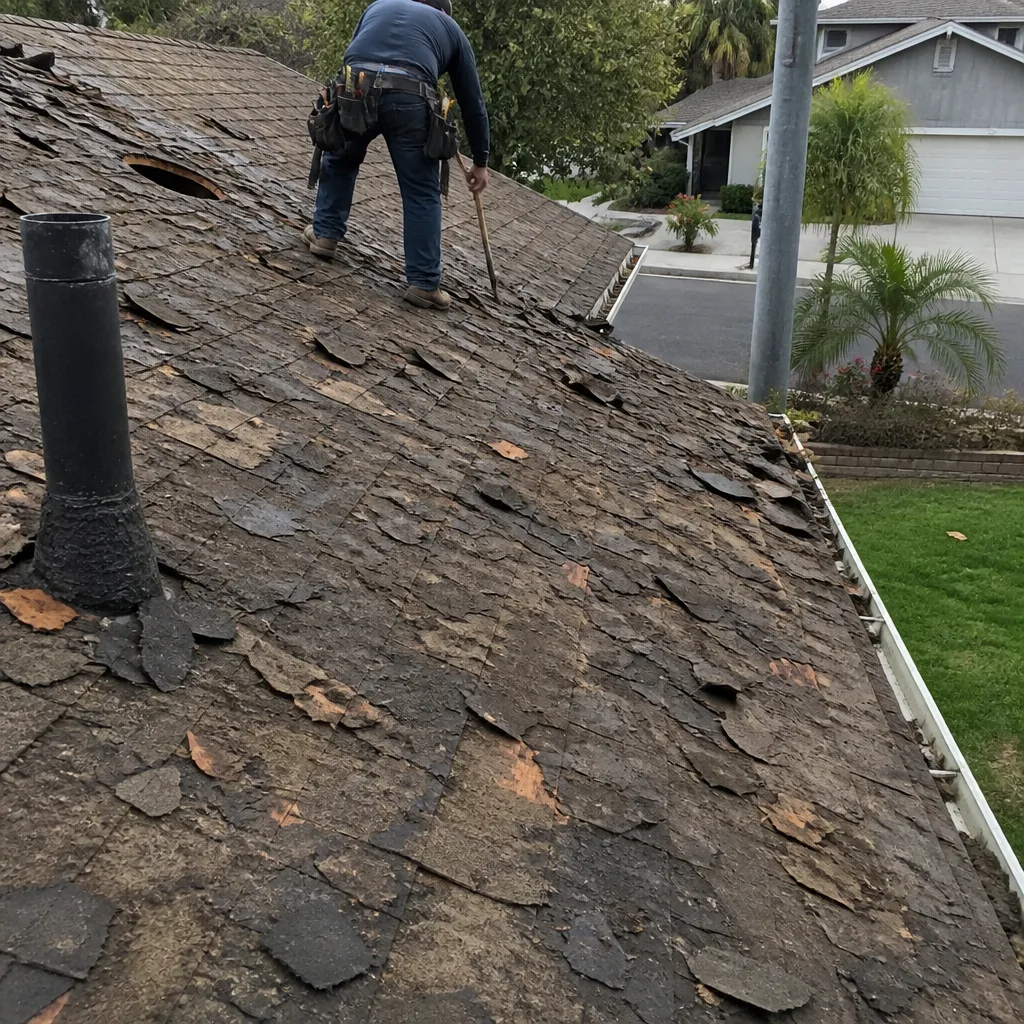 Before
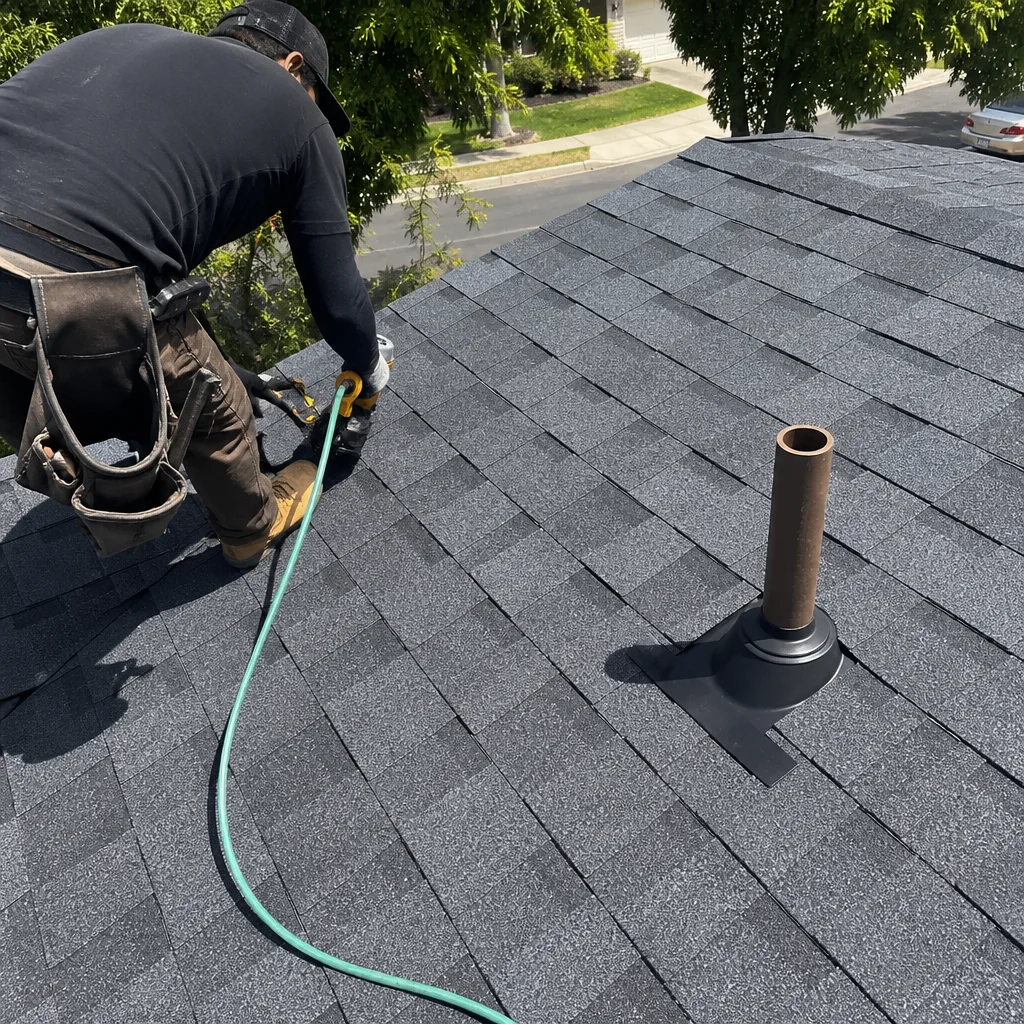 After
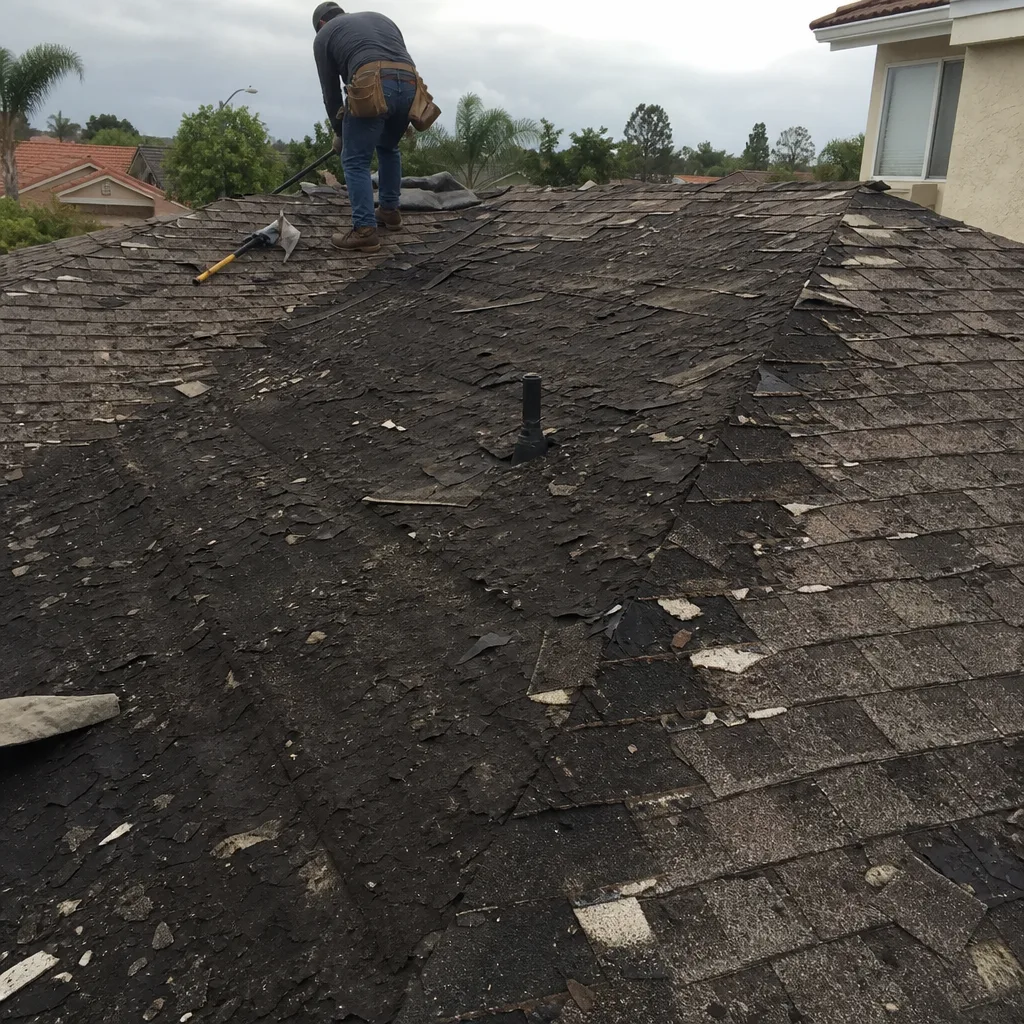 Before
 After
 Before
 After