
Last updated October 30, 2026
 Metal roofing
 Architectural shingles
 Tile roofing
 GAF
 Owens Corning
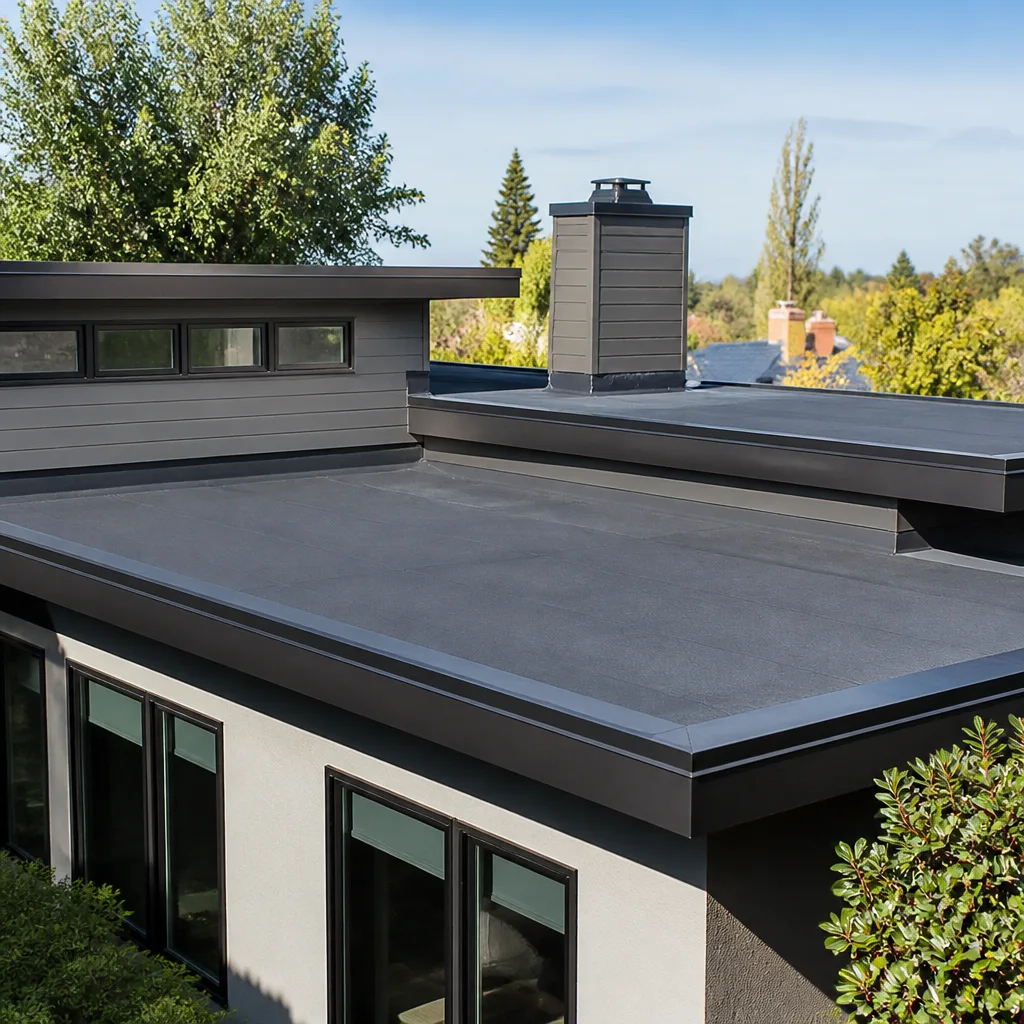 Flat & low-slope
Free roof inspection with deck photos before we talk money - GAF and Owens Corning certified installation
Roofing Emergency Preparedness Guide for Mission Viejo Homes
When a Santa Ana windstorm tears flashing off your roof at 11pm, the next three hours determine whether you have a $600 repair or a $14,000 water-damaged ceiling. Almost nothing useful happens in those three hours without a plan made in advance. This guide is that plan. Written specifically for Mission Viejo homeowners, it covers the two roofing emergencies most likely to hit this city, sudden wind damage from Santa Ana events and ember exposure from nearby brush fires, and explains exactly what to do in the first hour, the first day, and the first week after each one. We’ll walk through safe emergency tarping technique, the insurance documentation sequence that gets claims approved, how to tell wind damage from pre-existing wear, and the Mission Viejo-specific contacts you’ll want saved in your phone before you need them. By the time you finish reading, you’ll have a written response plan for the emergency that most Mission Viejo homeowners don’t think about until water is already coming through the ceiling.
Styles & brands we work with
Quick Answer
A roofing emergency in Mission Viejo falls into one of two categories, wind damage from Santa Ana events or ember exposure from nearby brush fires, and each demands a different immediate response. For wind damage, the priority is water control: move valuables, contain interior leaks, and tarp the affected area within hours, not days. For ember exposure, the priority is a daylight inspection focused on roof penetrations, valleys, and gutters within 24 hours, even if your home is still standing and looks untouched. In both cases, your first call after securing the site should be to a roofer who can assess the actual condition of your roof material, not someone pushing a full replacement before anyone has been on the ladder.
Table of Contents
- Understanding Santa Ana Wind Damage in Mission Viejo
- The First Hour: Your Step-by-Step Emergency Response
- How to Tarp a Mission Viejo Roof Without Causing More Damage
- The Insurance Documentation Sequence That Gets Claims Approved
- Wind Damage vs. Pre-Existing Wear: Why the Distinction Decides Your Claim
- Ember Exposure: What to Inspect Within 24 Hours of a Brush Fire
- Mission Viejo Emergency Contacts and Reporting Procedures
- Building Your Year-Round Roof Emergency Plan
- Common Mistakes to Avoid
- When to Call a Professional
- Frequently Asked Questions
- The Bottom Line
Understanding Santa Ana Wind Damage in Mission Viejo
Mission Viejo sits in a wind corridor that gets hit harder than most Orange County cities when Santa Ana conditions develop. The winds that race through Fremont Canyon and down the ridgelines above Lake Mission Viejo regularly gust past 50 mph, and in strong events, they hit 70 to 80 mph along exposed slopes. Those are the gusts that tear flashing, lift shingle edges, and snap clay tile that’s been quietly doing its job for thirty years.
What most homeowners here don’t realize is that Santa Ana wind damage rarely looks dramatic from the ground. You won’t see half the shingles gone. What you’ll see, if you know what to look for, are lifted edges on the windward slopes, displaced ridge caps, and flashing that’s been peeled back just enough to let rain in. Mission Viejo’s dry season means water intrusion often goes unnoticed for weeks, until a winter storm arrives and turns a small opening into a ceiling stain in one afternoon.
The wind itself isn’t the only threat. Santa Anas carry abrasive dust and fine debris that work into gaps and underlayment. Over time, that grit wears through underlayment along hips and ridges, especially on homes built in the 1980s and 1990s that still have their original paper. In our experience working on roofs across Mission Viejo, the homes in the Madrid and La Paz corridors tend to show more windward-slope wear than sheltered neighborhoods near Oso Creek, but no area is immune.
The most important thing to understand about wind damage is that it compounds. A single lifted shingle tab breaks the roof’s first line of defense. Wind gets under it, lifts the neighbors, and within a season you’ve gone from a $250 repair to replacing an entire slope. Catching wind damage early, ideally the week after a strong wind event, is the single most cost-effective thing a Mission Viejo homeowner can do. That’s why we recommend a quick visual check from the ground after any sustained wind event over 40 mph, and a professional Roof Inspection in Mission Viejo if you spot anything suspicious.
The First Hour: Your Step-by-Step Emergency Response
When a Santa Ana windstorm is actively tearing at your roof at 11pm, the temptation is to grab a flashlight and climb up there. Don’t. The first hour is not about fixing anything. It’s about containing damage and documenting what happened. Here’s the sequence, in order, before you make any decisions about repairs.
- Control interior water first. If water is coming through, move furniture and electronics out of the path, place buckets or bins under active drips, and if the drip is spreading across a drywall ceiling, poke a small hole at the lowest point of the sag so water drains into your bucket instead of spreading through the ceiling cavity. This is counterintuitive but it saves the ceiling.
- Shut off power to affected areas if water is near electrical fixtures. A wet ceiling fan or recessed light is dangerous. Cut the breaker to that room if you can do so safely.
- Take photos from inside, immediately. Before you touch anything, photograph the water damage, the wet ceiling, the pooling on the floor. These photos establish the timeline of damage for your insurer. Use your phone’s flash if lighting is poor.
- Take photos from the ground outside. Photograph the roof area where you believe the damage occurred. Even grainy night photos of displaced flashing or lifted shingles help establish causation. Do not climb onto the roof in the dark. Do not climb a ladder in high wind.
- Make the call. If water is actively entering the home, call an emergency roofing response. Briarwood Roof Repair provides emergency tarping and response in Mission Viejo and can be reached at (855) 707-6114. If the damage is severe enough that water is pouring in and you cannot control it, prioritize calling for help over further documentation.
The goal of the first hour is simple: minimize interior damage, document what you can, and get a professional response scheduled. Every homeowner who has a written plan for these first sixty minutes makes better decisions than the one who’s improvising at midnight while water drips down the back of their neck.
How to Tarp a Mission Viejo Roof Without Causing More Damage
Emergency tarping is the single most misunderstood step in storm response. Done poorly, it tears off by morning or, worse, creates new damage that complicates your insurance claim. Done correctly, it buys you days or weeks of protection while repairs are scheduled. Here’s the method we use when responding to emergency calls in Mission Viejo, and what you should know whether you’re doing it yourself or evaluating a contractor’s work.
First, never tarp in high wind. If gusts are still hitting 40 mph or more, the tarp will become a sail and either pull you off the roof or tear away the moment you secure it. Wait for the wind to drop below roughly 25 mph. If water is actively entering the home, your interior containment from step one is doing the work. A tarp deployed too early in high wind often causes more damage than it prevents.
Second, never nail a tarp directly to the roof deck. Every nail you drive through shingles, tile, or membrane is a new entry point for water. The correct method is to anchor the tarp to fascia boards or to secure it with sandbags or weighted boards placed on the tarp’s edges, not through the roof surface. For Mission Viejo’s clay and concrete tile roofs, which are common throughout the city, nailing through tile means broken tiles that will need replacement later. On those roofs, the tarp should be draped over the damaged area and anchored at the eaves and rakes, not through the field of the roof.
Third, size the tarp with overlap. The damaged area plus at least three feet of overlap on all sides is the minimum. The overlap prevents wind-driven rain from sneaking under the tarp’s edges. On the windward side, that overlap should be more generous, four to six feet, because water is driven horizontally during Santa Ana rain events.
Fourth, use the right materials. A blue hardware-store tarp lasts about 48 hours in Mission Viejo sun and wind before it starts shredding. A heavy-duty polyethylene tarp of at least 6-mil thickness, or a purpose-made storm tarp, will hold for the weeks a typical claim takes to process. The difference in cost is about $40, and it’s the cheapest insurance you’ll ever buy.
If any of this sounds like more than you want to attempt in the dark on a wet roof, that’s the correct instinct. Emergency tarping on a two-story Mission Viejo home, in the dark or in wind, is genuinely dangerous work. Our team handles this routinely, and we’d rather you call us at (855) 707-6114 than end up in an emergency room thinking about the roof you can no longer climb.
The Insurance Documentation Sequence That Gets Claims Approved
Insurance adjusters approve claims based on two things: evidence of damage and evidence that the damage was caused by a covered event. The documentation sequence below is designed to establish both, and the order matters. Most denied claims aren’t denied because there’s no damage. They’re denied because the homeowner’s documentation left room for the insurer to argue the damage was pre-existing. Here’s the sequence, in order.
- Interior damage photos and video, before cleanup. Wide shots show the scope. Close-ups show the severity. A slow video walkthrough with narration establishes exactly what you saw and when. Time-stamp is automatic on most phones, which the adjuster can verify.
- Exterior roof photos from the ground and, if safe, from a ladder or drone. Show the damaged area in context. A wide shot showing the entire roof slope, then close shots of the specific damage. The wide shots matter because they help the adjuster locate the damage when they visit, and they establish orientation.
- Photos of the weather event’s effects elsewhere. If your neighbor’s fence is down, if tree branches are in the street, if the roof across the street lost tiles too, photograph that. It establishes that the event was severe enough to cause the damage you’re claiming.
- Any emergency mitigation work, documented before, during, and after. If you tarp, photograph the tarp in progress and the finished result. This shows you took reasonable steps to prevent further damage, which most policies require.
- Written notes. Date, time, what you observed, what you did. A paragraph. This is more credible than memory when the adjuster calls two weeks later.
One Mission Viejo-specific note: if the damage followed a named Santa Ana wind event, note that in your documentation. Insurers in Orange County process hundreds of claims after major wind events. Your claim gets handled faster when your documentation immediately places it in the context of the event the carrier already knows about.
Wind Damage vs. Pre-Existing Wear: Why the Distinction Decides Your Claim
This is where more Mission Viejo claims go sideways than anywhere else. An adjuster arrives, looks at your roof, and determines that the damage you’re claiming was not caused by wind but by age and deferred maintenance. At that point, the claim shrinks or disappears. The distinction matters before you ever file, because it determines what you say, what you show, and what you ask your roofer to document.
Wind damage leaves specific forensic signatures. Lifted shingles show creasing at the point of the lift. Tiles displaced by wind are broken or shifted in patterns that align with the wind direction, usually clustered on one slope. Flashing peeled by wind shows bending upward and outward, with the original sealant still attached to the underside. Ridge caps that blew off leave a clean line of exposed fasteners or adhesive. These signs tell a story of a single event.
Pre-existing wear looks different. Granule loss is uniform across the roof slope, not concentrated in one area. Shingle cracking follows age patterns, with breaks along the same lines on many shingles across the roof. Tile damage is scattered, one tile here, one tile there, with no directional pattern. Flashing that failed from age shows corrosion or dried-out sealant that released gradually, not a clean peel. A trained eye can tell the difference in ten minutes, and a good roofer will document exactly what they see and why it points to one cause or the other.
This is why we tell Mission Viejo homeowners to get a professional assessment before filing a claim. Not because a roofer is needed to file the claim, but because a roofer who can speak to the specific mechanism of damage, wind vs. wear, gives the adjuster a credible technical report that supports your claim. As a Roof Repair in Mission Viejo specialist working across GAF, CertainTeed, Owens Corning, IKO, Atlas, Tamko, and Boral systems, we’ve documented hundreds of wind-damage claims in this city. The ones that get approved quickly are the ones where the damage mechanism is clear from the first photo and the first sentence of the report.
One more nuance: some roofs have wind damage and pre-existing wear simultaneously, and that’s actually the most common scenario we see in Mission Viejo’s older neighborhoods. A roof with fifteen-year-old shingles loses a few tabs in a windstorm. The insurer’s position will be that the shingles were already failing and the wind merely finished the job. Your position, supported by a roofer’s documentation, should be that the wind event caused the specific damage you’re claiming, regardless of the roof’s age. The more precise your documentation, the stronger your position.
Ember Exposure: What to Inspect Within 24 Hours of a Brush Fire
Mission Viejo’s fire risk is not hypothetical. The city is bordered by open space with a documented history of brush fire activity, and when wind carries embers ahead of a fire front, those embers land on roofs with predictable results. The response is completely different from wind damage response, and confusing the two is where homeowners make expensive mistakes.
Ember damage is slow. An ember lands in your gutter full of dry leaves, smolders for hours, and then ignites. Or it lands in the gap under a tile, against the underlayment, and smolders there. Or it lands in a roof valley where debris has accumulated. You won’t see flames from the street. You’ll see, or smell, the results hours or even a day later. That’s why the 24-hour inspection window matters, and why it must be a close inspection, not a glance from the driveway.
Here’s the specific inspection sequence we follow after any brush fire within two miles of a Mission Viejo home, and what we recommend homeowners check before we arrive:
- Gutters and downspouts first. This is where most ember ignitions start. Look for charred leaves, melted plastic, or any sign that organic material in the gutter burned. Even if you can’t see into the gutter from a ladder, look for scorch marks on the gutter face and smell for smoke in the downspout outlets.
- Roof valleys and transitions. Debris collects in valleys, and embers settle there and smolder. Check for discolored granules, charred debris, or any melted underlayment visible at the valley edges.
- Roof penetrations. Vents, skylights, and plumbing boots collect debris around their bases. An ember landing in that debris ring can smolder against the pipe boot or flashing and compromise the seal. Look for discoloration around the base of every penetration.
- Under tile lips and at ridge caps. On tile roofs, which are common across Mission Viejo, embers can lodge in the gaps between tiles and against ridge caps. A close visual inspection from a ladder, not from the ground, is the only way to check these areas.
- Attic or upper-floor smells. If you smell smoke inside the home but can’t locate a source, the ember may be smoldering in a place you can’t see. This is a call-us-now situation, not a check-it-tomorrow situation.
The critical distinction between ember damage and surface debris is this: debris sits on top of the roof and blows away. Ember damage penetrates. A dark smudge that rubs off with your finger is debris. A dark spot that doesn’t rub off, or a melted spot, or a charred spot, is damage that needs professional attention. If you’re not sure, take a photo and send it to us. We’d rather tell you it’s nothing than miss an ember that ignites the roof three days later.
Mission Viejo Emergency Contacts and Reporting Procedures
Knowing who to call, and in what order, is the difference between a contained problem and a bureaucratic mess. Here’s the contact sequence for Mission Viejo homeowners, before you call your insurer and before you call a roofer when the situation involves public safety.
- City of Mission Viejo Building Services: (855) 707-6114 during business hours. Use this line to report structural hazards, schedule inspections for permitted roof work, and ask code compliance questions.
- Orange County Fire Authority, Mission Viejo area: For active fire, smoke, or ember-related emergencies, call 911 first. For non-emergency fire safety questions, the OCFA non-emergency line is (855) 707-6114. OCFA also provides free home fire safety assessments to Mission Viejo residents.
- After-hours structural hazards: If your roof is partially collapsed or threatens public safety after business hours, call the Orange County Sheriff’s non-emergency line at (855) 707-6114 and they will route the report appropriately.
- Mission Viejo emergency alert registration: AlertOC is the countywide emergency notification system. Register at AlertOC.org to receive evacuation orders, shelter-in-place notices, and fire updates by phone and text. If you haven’t registered, you won’t get the call.
- Your insurance company’s emergency claims line: Store this in your phone before you need it. Most policies require prompt notification, and many carriers now have 24-hour emergency claims intake with dispatch of their own water mitigation contractors.
One note that surprises many Mission Viejo homeowners: the City of Mission Viejo does not maintain a list of approved emergency roofing contractors, and it does not dispatch roofers after storms. The “approved emergency roofing services” many homeowners search for is actually your insurer’s network, if you carry an active policy, combined with local contractors who are licensed and insured. When you need emergency response, your best path is to call a roof repair contractor in Mission Viejo directly, and let them coordinate with your insurer’s adjuster once the immediate danger is controlled.
Building Your Year-Round Roof Emergency Plan
A written plan beats a good memory every time. Here’s the year-round maintenance and preparedness schedule we recommend to Mission Viejo homeowners, timed to the city’s actual weather calendar rather than generic advice.
September, before Santa Ana season: Schedule a Roof Inspection in Mission Viejo focused on wind-readiness. We check flashing security, shingle and tile adhesion, ridge cap condition, and clear any debris that gives embers a place to land. If you’ve been putting off a repair, September is the month to do it. Wait until December and you’ll be competing with every other homeowner who waited too long.
October through January, during wind season: After every sustained wind event over 40 mph, do a ground-level visual check. Look for lifted shingles, displaced tile, debris on the roof, and anything that wasn’t there before the wind. Keep gutters clear, which is ember defense as much as water management.
February through April, after the rains: This is when water intrusion from winter storms shows up. Check ceilings and attic spaces for staining, especially after the first heavy rain following a dry spell. Attic inspections catch roof leaks months before they stain a ceiling.
May through August, fire season: The Mission Viejo fire risk peaks in late summer and fall, overlapping with the start of wind season. Keep gutters clear of dry debris, trim vegetation away from roof edges, and if you’re within sight of open space, consider the OCFA free fire safety assessment for specific recommendations.
The plan doesn’t have to be complicated. A one-page document with your insurance contact, our number at (855) 707-6114, and the city contacts from the section above is enough. Put it on the fridge or in your phone’s notes app. The plan you actually have is better than the perfect plan you meant to write.
Common Mistakes to Avoid
- Climbing onto a roof in the dark or in wind. In Mission Viejo, most storm damage happens at night during Santa Ana events. The damage will still be there in the morning. The broken hip from falling off a wet roof will also still be there, and it’ll hurt a lot more. We respond to emergencies at night all year round. Let us take the ladder.
- Filing an insurance claim before a roofer has documented the damage. Your claim is only as strong as the evidence behind it. A roofer who can articulate wind damage vs. pre-existing wear in the language adjusters expect is worth waiting a few hours for. Insurers don’t require same-day filing. They require prompt filing, and prompt means days, not hours.
- Using a tarp that’s too small or nailing it through the roof surface. A badly done tarp creates new damage, which complicates the insurance claim you were trying to simplify. If the tarp isn’t something you’d trust on your own roof for two weeks, don’t put it there.
- Ignoring ember exposure because the fire was “far away.” Embers travel farther than the fire line, and in Santa Ana winds, they can travel miles. A brush fire in the hills above Mission Viejo can deposit embers on roofs across the city. The 24-hour inspection costs less than $200 in most cases. The fire it prevents costs a house.
- Waiting for winter to fix summer damage. Every Mission Viejo roofing contractor is booked solid from November through January. The repair you defer in September becomes the leak you live with in December. We see this cycle every year, and it’s the most preventable pattern in residential roofing.
- Assuming a tile roof doesn’t need tarping or emergency response. Tile roofs are more resistant to wind than shingle roofs, but a broken or displaced tile opens the underlayment beneath, and underlayment is not waterproof against sustained exposure. Treat tile displacement with the same urgency you’d apply to missing shingles.
When to Call a Professional
There are moments when the right move is obvious, and moments when homeowners aren’t sure. Here’s our straightforward guidance. Call a professional immediately if water is entering your home through the ceiling, if you see missing shingles or tile after a wind event, if your roof is sagging, if you smell smoke and can’t locate the source, or if an ember inspection reveals anything that looks melted or charred. Call within days, not weeks, if you’ve had wind over 50 mph and haven’t checked the roof, if you’re filing an insurance claim and need damage documentation, or if you want a professional assessment before deciding whether to file. Briarwood Roof Repair offers free estimates in Mission Viejo. Call (855) 707-6114, and we’ll tell you honestly whether you need a repair, a more involved fix, or just a roof inspection for peace of mind. No pressure, no replacement pitch unless the roof actually needs it.
Frequently Asked Questions
Insurance typically covers storm-caused damage, not age-related wear, so whether your roof is partially or fully covered depends on what caused the failure. If a specific wind event caused specific damage, most policies cover repair of that damage, and some cover full replacement if the damage is extensive enough. An inspection and documentation from a roofer who can speak to causation is the single most important factor in getting the coverage you’re entitled to. Call (855) 707-6114 for an exact quote, estimates are free.
Emergency tarping in Mission Viejo typically costs between $300 and $500 for a standard single-area tarp, which includes materials and labor. Larger homes, two-story access, steep slopes, or multiple damaged areas can push that higher. It’s a fraction of the cost of interior water damage, which is why tarping is always the right first step after wind damage. Call (855) 707-6114 for a specific quote for your home.
Yes. We work with GAF, CertainTeed, Owens Corning, IKO, Atlas, Tamko, and Boral systems, which covers the vast majority of roofs in Mission Viejo regardless of who installed them originally. Because we know the specifications of each manufacturer, we match repairs to the existing roof system rather than applying a generic patch. That material-matched approach matters for warranty continuity and long-term performance.
Most single-area repairs, flashing replacement, shingle or tile replacement, tarp removal and final fix, are completed in one day on site. More extensive damage involving multiple slopes or structural repairs can take two to three days. The variable in Mission Viejo is scheduling during storm season, when every roofer in the city is responding to the same wind event, which is why September maintenance before wind season is the best time to address vulnerabilities. Call (855) 707-6114 for a specific timeline for your repair.
Emergency tarping and temporary mitigation do not require a permit in Mission Viejo. Permanent repairs, depending on scope, may require a permit through the City of Mission Viejo Building Services, and your roofer should handle that process on your behalf. The city treats emergency repairs differently from planned work, so the fastest path is to document the emergency, notify the city if required, and let your roofer coordinate the paperwork. Call (855) 707-6114 to discuss your specific situation.
Debris sits on the surface and can be brushed or blown away without affecting the roof. Ember damage penetrates the surface, leaving scorch marks, melted underlayment, charred organic material, or discoloration that doesn’t rub off. The difference matters because debris is harmless, but an ember that lodged under a tile and smoldered against the underlayment has created a weak point that may fail years later or, in the worst case, ignite. If you’re not sure which you’re looking at, call (855) 707-6114 and we’ll take a look.
The Bottom Line
Mission Viejo’s roofing emergencies are predictable in their causes, wind and fire, and in their consequences, water intrusion and structural damage, which makes them preventable in large part. The preparation is straightforward: understand the two emergency types, know the first-hour response for each, keep your documentation sequence in mind, and have your contacts saved before you need them. The most expensive roof problems in this city are not the ones caused by storms. They’re the ones that got worse because no one had a plan. If you take one action after reading this guide, make it a roof inspection before the next Santa Ana season arrives. If water is already coming in, call Briarwood Roof Repair home at (855) 707-6114. We’ll get up on the ladder so you don’t have to.
Written by the team at Briarwood Roof Repair, serving Mission Viejo since 2014.
See the difference
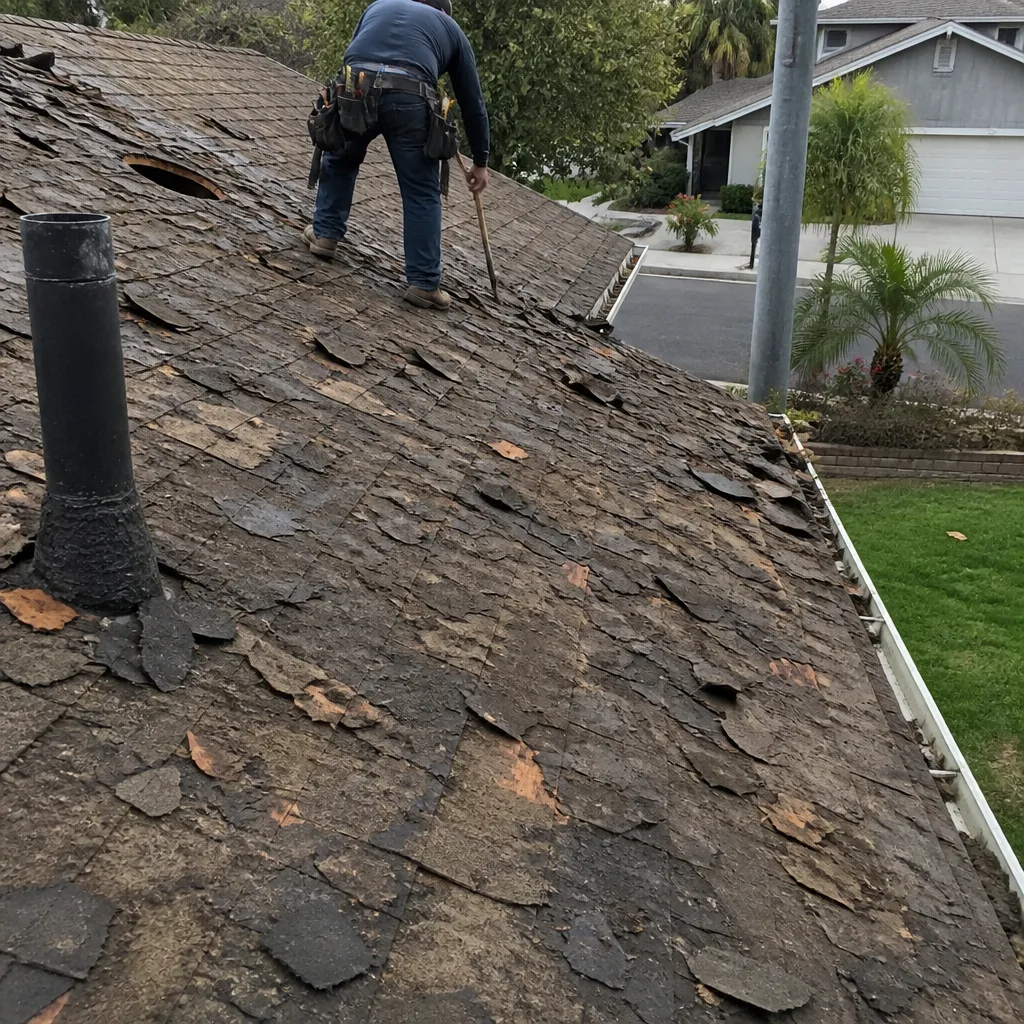 Before
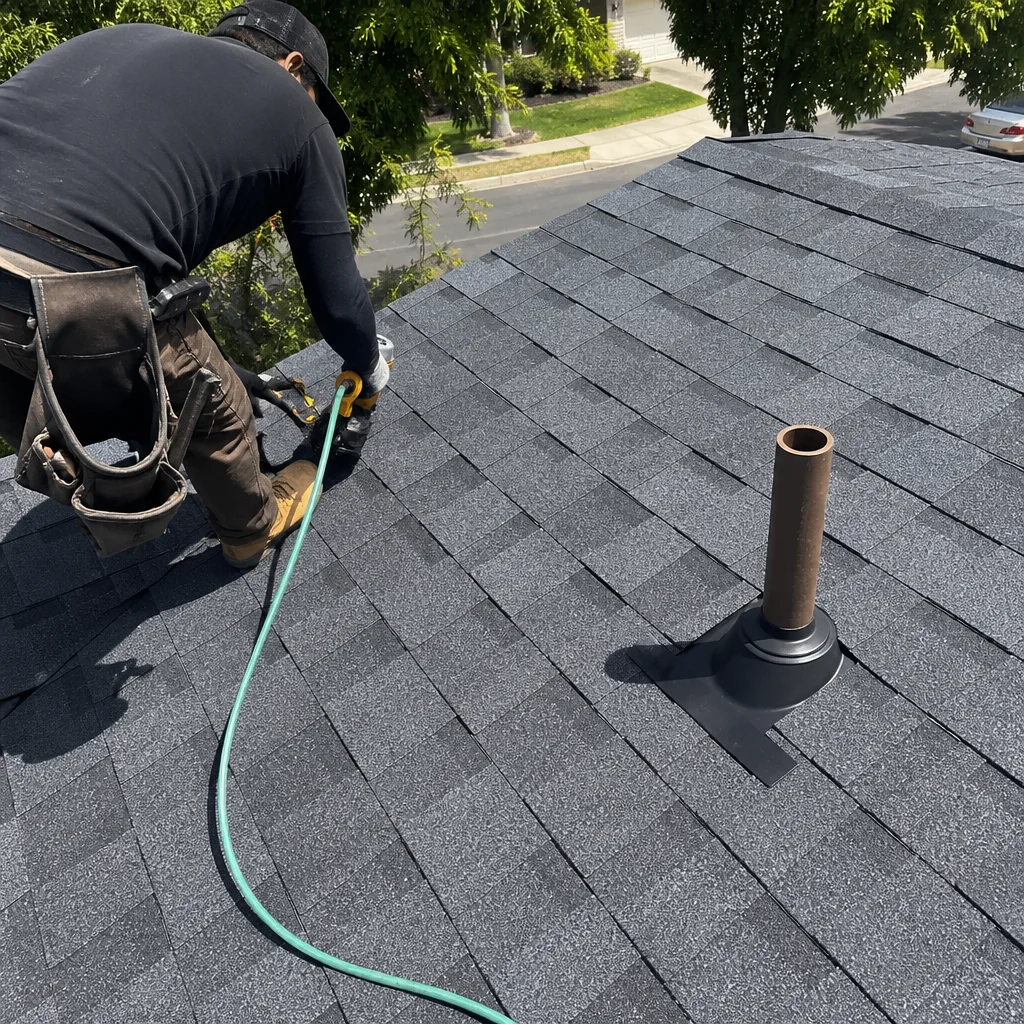 After
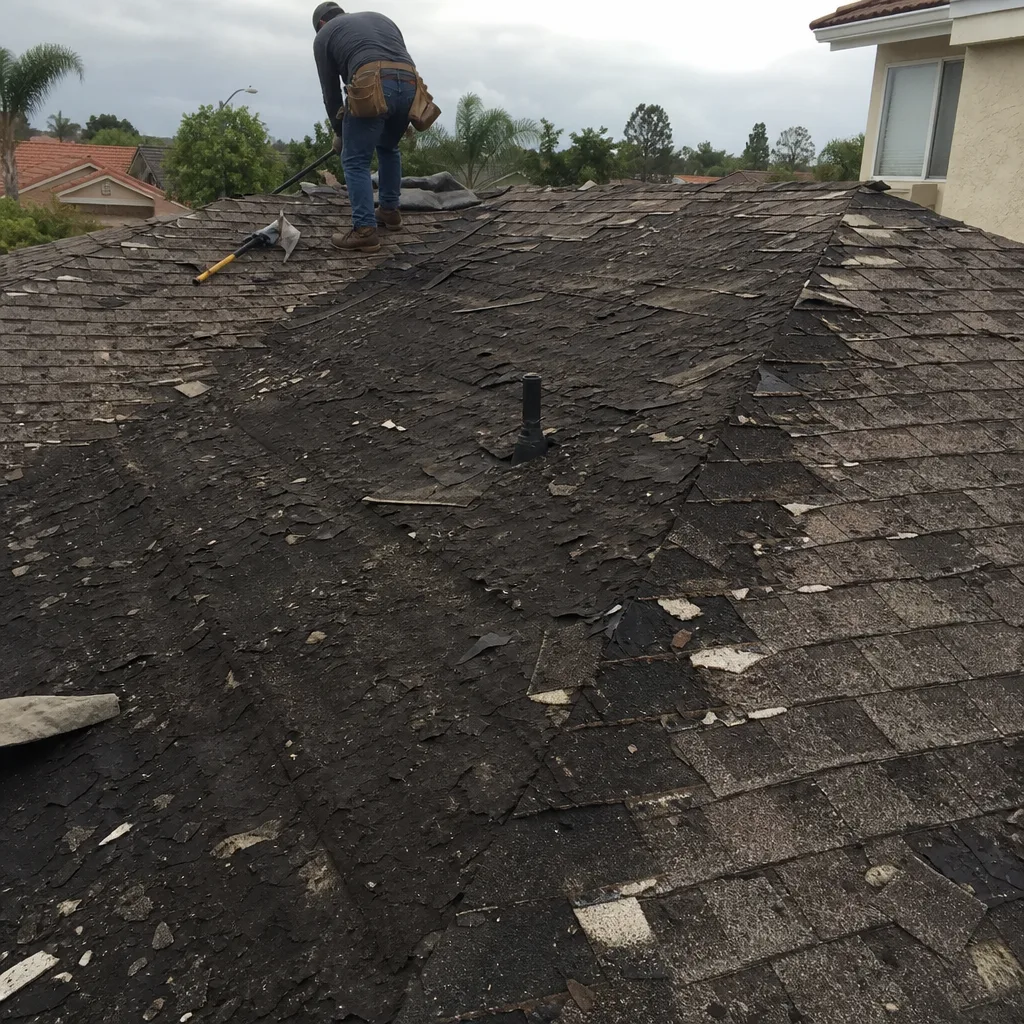 Before
 After
 Before
 After