
Last updated October 30, 2026
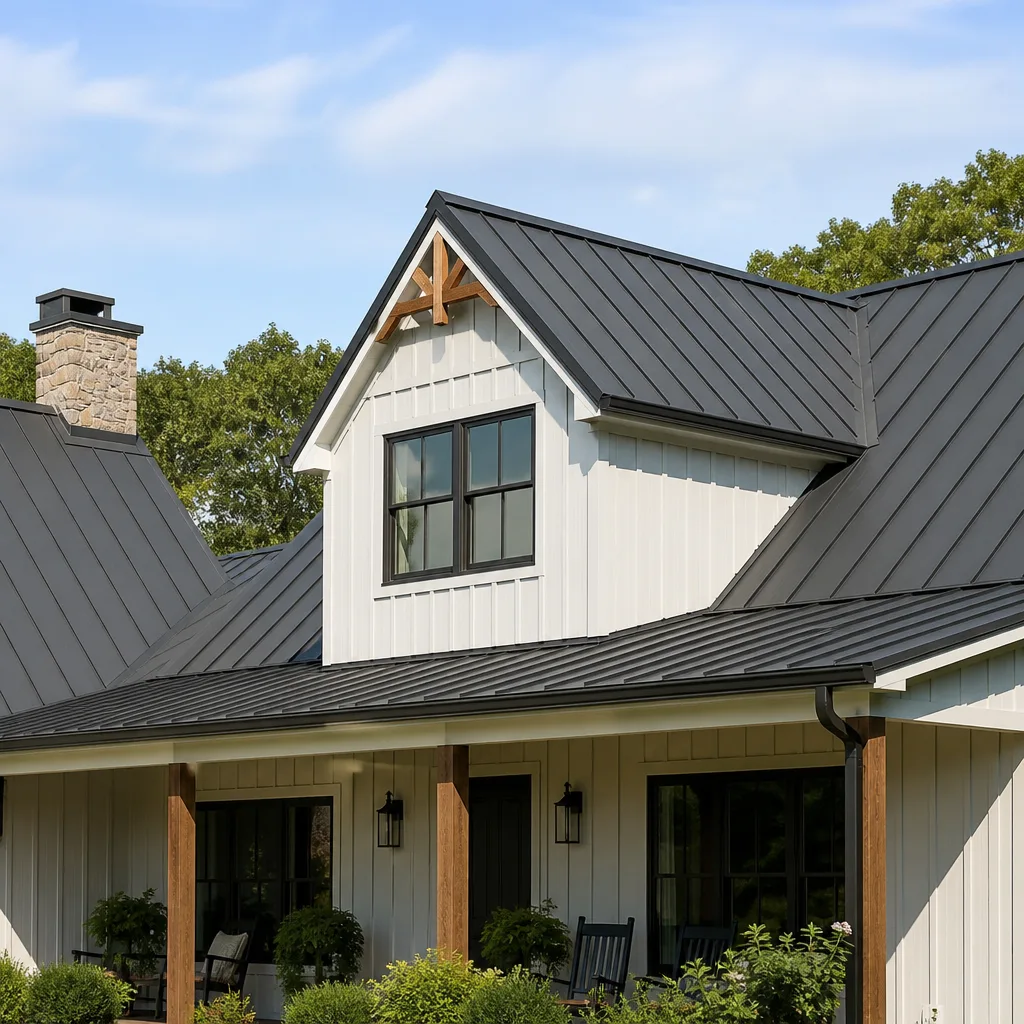 Metal roofing
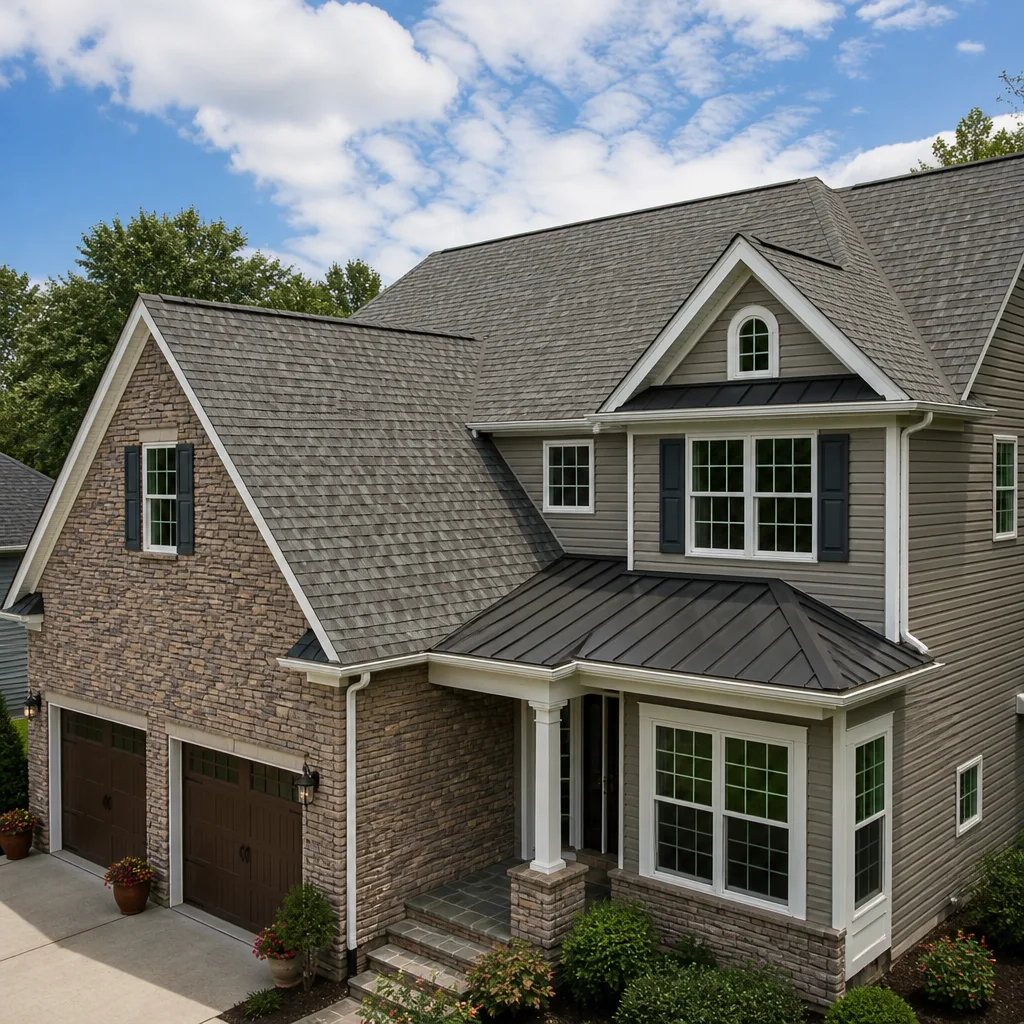 Architectural shingles
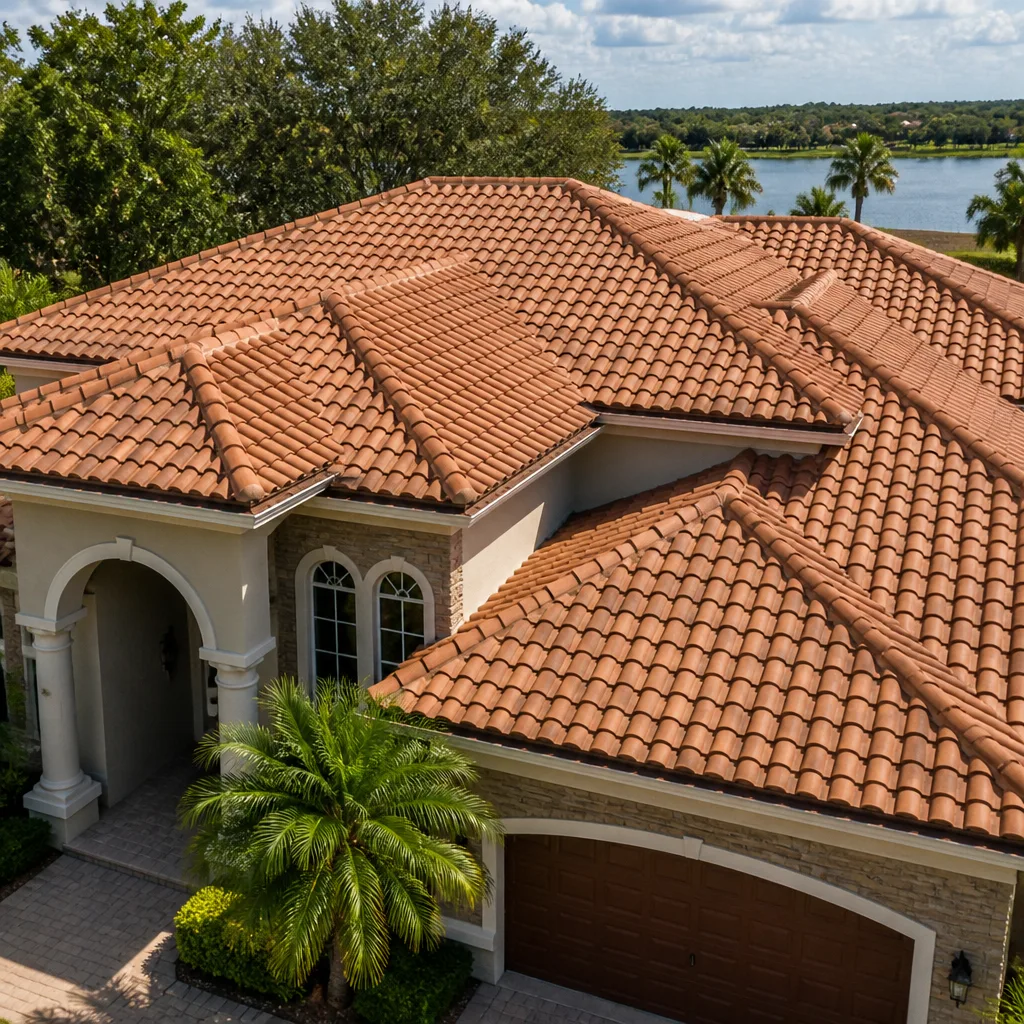 Tile roofing
 GAF
 Owens Corning
 Flat & low-slope
Free roof inspection with deck photos before we talk money - GAF and Owens Corning certified installation
Roofing Cost Breakdown: The Mission Viejo Homeowner’s Reference for 2026
Here’s a number most roofing guides won’t tell you: three Mission Viejo homeowners on the same street, with the same 2,000 sq ft home, will get quotes ranging from $14,000 to $23,000 for what looks like the identical roof replacement. The reason isn’t greed. It’s that each contractor is making different assumptions about your existing decking, your current number of layers, the underlayment they’ll use, and the warranty they’re quietly including or quietly leaving out. This guide exists to turn those invisible assumptions into visible line items, and for more guides & resources on protecting your home, explore our blog. By the time you finish reading, you’ll know exactly which costs are real, which are negotiable, and which signal a quote you should delete from your inbox before Mission Viejo’s afternoon sun bakes your patience away.
Styles & brands we work with
Quick Answer
A full roof replacement in Mission Viejo in 2026 typically costs between $14,000 and $23,000 for a 2,000 sq ft home with architectural shingles, and between $28,000 and $40,000 for concrete tile. Repairs run $400 to $1,800 for most shingle fixes and $350 to $900 for most tile repairs. The single biggest variable isn’t material choice or contractor greed. It’s the assumptions buried in the quote about decking, tear-off layers, and warranty registration.
Table of Contents
- What Roofing Materials Actually Cost in Mission Viejo in 2026
- The Labor Variables That Legitimately Change Your Price
- Permits, Dump Fees, and Code Upgrades: The Line Items Lowball Quotes Omit
- How Warranty Tiers Change Upfront Cost and Long-Term Value
- Repair vs. Partial Replacement vs. Full Replacement: A Break-Even Analysis
- What Mission Viejo’s Climate and Code Mean for Your Roofing Estimate
- Common Mistakes to Avoid
- When to Call a Professional
- Frequently Asked Questions
- The Bottom Line
What Roofing Materials Actually Cost in Mission Viejo in 2026
Material prices have stabilized in 2026, but “stabilized” at a level that’s roughly 35% higher than pre-2020. You need to know these numbers because the material line is the easiest place for a quote to quietly inflate or quietly cheap out. Here’s what we’re seeing from South Orange County suppliers this year, per roofing square (100 sq ft of roof area).
| Material Type | Price Range per Square (Materials Only) | Installed Range per Square |
|---|---|---|
| 3-Tab Asphalt Shingle | $80 – $110 | $280 – $400 |
| Architectural Asphalt Shingle | $110 – $160 | $350 – $550 |
| Luxury/Designer Shingle | $180 – $260 | $500 – $750 |
| Concrete Tile (Standard Profile) | $180 – $280 | $700 – $1,100 |
| Cool-Roof-Compliant Architectural Shingle | $130 – $180 | $380 – $580 |
| Standing Seam Metal | $300 – $450 | $800 – $1,400 |
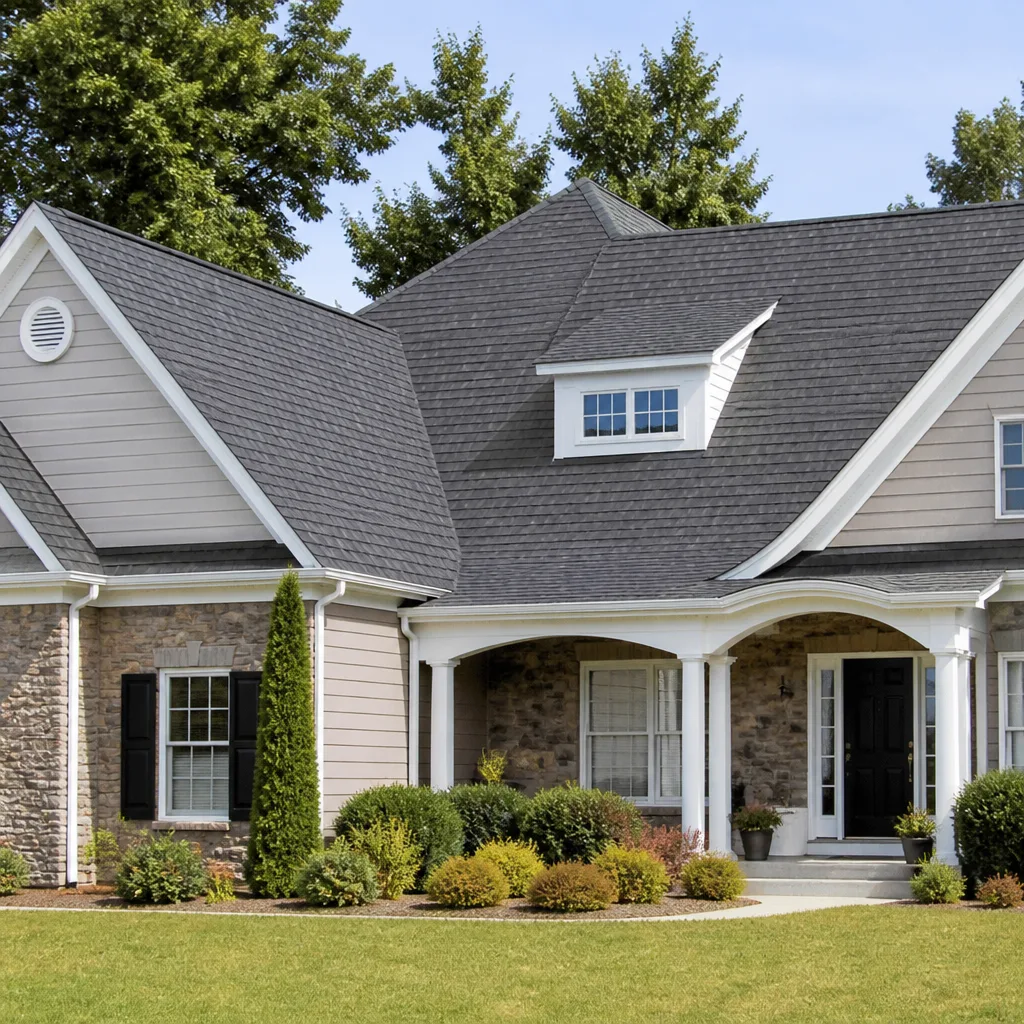
Architectural shingles remain the default choice for roughly 70% of homes we see across Mission Viejo, Lake Forest, and Rancho Santa Margarita. They hit the sweet spot of weight (Mission Viejo roofs from the 1980s and 1990s often weren’t engineered for concrete tile without reinforcement), longevity (30 to 50 years), and price. A 2,000 sq ft home usually has a roof surface around 2,300 to 2,600 sq ft after pitch is factored, meaning 23 to 26 squares of material.
Luxury shingles from brands like Boral’s line or Tamko’s Titan series are chosen when a homeowner wants the visual weight of tile without the structural modifications tile requires. We work with seven major manufacturers (GAF, CertainTeed, Owens Corning, IKO, Atlas, Tamko, and Boral), and each has mid-range and premium lines. The premium line from any of them will outperform the mid-range line from any other in wind uplift and impact resistance, but cost 30% to 50% more. For Mission Viejo specifically, where we get Santa Ana winds in October and November, a shingle rated for 110 mph winds is worth the upgrade on homes above the valley floor.
The Labor Variables That Legitimately Change Your Price
Two crews can price the same roof $5,000 apart and both be entirely honest. The difference is in the details of what their labor estimate assumes. Here are the variables that matter in Mission Viejo.
Roof Pitch
Your roof’s slope changes how long crews take and what safety equipment they need. A 4/12 pitch (the shallow slope common on 1970s and 1980s Mission Viejo tract homes) is faster and safer. A 7/12 or 8/12 pitch on a custom home in the hills above Oso Parkway or off Marguerite requires roof brackets, safety lines, and often a second crew member. Labor cost per square increases roughly $40 to $80 for steep roofs. If your quote doesn’t mention pitch, the contractor either ignored it or padded the number visually without breaking it out.
Tear-Off Layers
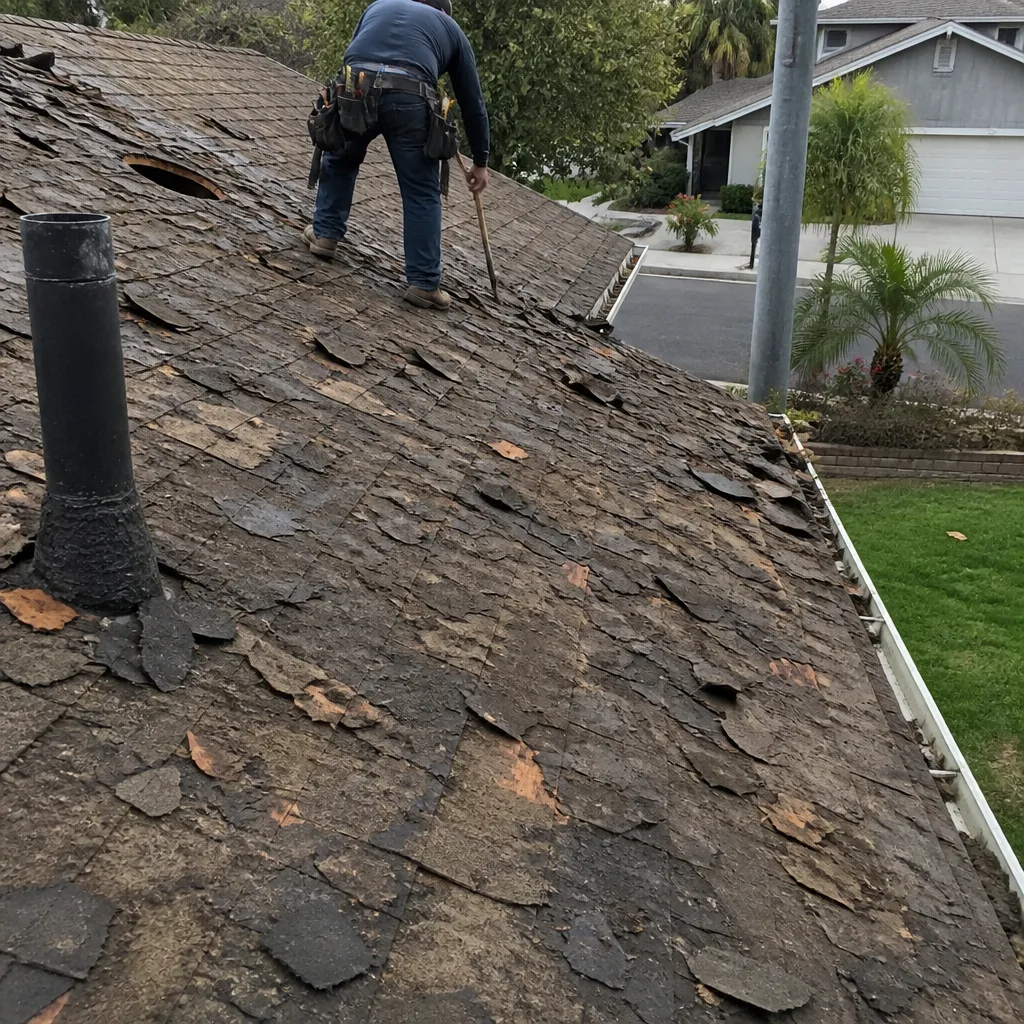
In Mission Viejo, many original roofs are now on their second or third covering. Local code requires tear-off when more than two layers exist, but some homes have had shingles layered over the original 1970s wood shake or over early composition shingle. Tear-off costs $60 to $100 per square per layer removed. A home with two layers under the new roof adds $2,600 to $4,600 to the job versus a home with one clean deck. This single line item explains a large portion of the $4,000 to $9,000 spread between quotes. Contractors who omit it assume one layer. Contractors who include it plan for two or three. Neither is lying. One is guessing.
Valley Complexity
Every valley (the V-shaped channel where two roof planes meet) requires woven or cut flashing, underlayment, and slower, more precise work. A simple ranch with no valleys is the cheapest roof per square. A 1980s Mission Viejo two-story with a hip roof and four valleys adds $800 to $1,500 in labor and flashing material. A custom Mediterranean-style home with five or more valleys, dormers, and chimney penetrations can add $3,000 before any material is considered.
Access Constraints
Homes in Mission Viejo neighborhoods like Aegean Heights or the streets around Lake Mission Viejo often have narrow driveways, minimal side yards, or HOA landscape restrictions. If the crew cannot park a debris trailer adjacent to the home or position a conveyor to the roof edge, materials get carried by hand and debris gets walked out. That adds $500 to $1,500 depending on distance and fence gates. HOA rules in some neighborhoods also restrict work hours or require notice filings, which means the crew loses productive hours. Honest contractors ask about access before quoting. If a quote assumes open access and your rear yard is forty feet from the street, the final bill will surprise you.
Permits, Dump Fees, and Code Upgrades: The Line Items Lowball Quotes Omit
When a Mission Viejo roof replacement quote looks suspiciously low, the first place to check is not the materials line. It’s the line items that are missing altogether. Here’s what’s actually involved in a fully legitimate replacement in Mission Viejo in 2026.
Permit Fees
Mission Viejo requires a building permit for roof replacement and for any repair that involves replacing more than a certain percentage of the roof surface; for details on permits, codes, and inspections, see our Roofing Permits, Codes & Inspections in CA: What You Need to Know. Permit fees for a reroof run from $450 to $900 depending on the valuation you declare and the current fee schedule. Some contractors quote without permits. That’s not a savings. That’s a serious liability for you when you try to sell the home and the permit history doesn’t match the visible roof. We pull permits on every replacement in Mission Viejo as standard practice.
Dump and Disposal Fees
Tear-off debris from a 2,000 sq ft home fills one to two 40-yard dumpsters. Each costs $500 to $800 in landing fees and hauling in South Orange County. If the home has tile (concrete tile weighs roughly three times what shingles weigh per square), disposal costs can double, because the debris is heavier and requires different handling. Quotes that bundle this into “general scope” without a line item are fine. Quotes that show a suspiciously small disposal number may be under-reserving, and the overage becomes a change order at the end.
Decking Replacement
Mission Viejo homes from the 1970s through early 1990s commonly have plywood or OSB decking that has suffered from four decades of UV cycling, occasional moisture, and the expansion and contraction of tile roofs with inadequate underlayment. No contractor can know how much decking needs replacement without removing the existing roof. We’ve seen homes need six sheets. We’ve seen homes need sixty. Honest quotes include an allowance, typically $90 to $120 per sheet, and state clearly what happens if the allowance is exceeded. A quote with no decking allowance assumes your decking is perfect. For most Mission Viejo homes over thirty years old, that’s an optimistic assumption.
Code-Compliance Upgrades
If you have a tile roof and you’re replacing it, current California building code has requirements related to underlayment upgrades for fire resistance and water intrusion prevention in Wildland-Urban Interface zones. A large portion of Mission Viejo falls in or near a designated WUI zone. The upgraded underlayment costs $150 to $250 per square extra and is not optional if the code applies to your property. A contractor who doesn’t mention this hasn’t checked your zone. A contractor who does mention it has done the homework your inspector will require anyway.
How Warranty Tiers Change Upfront Cost and Long-Term Value
Manufacturer warranties are not all the same, and they are not all free. Understanding the tiers changes how you evaluate two quotes that are $2,000 apart.
Take GAF’s structure as the clearest example, because it maps neatly onto what the other manufacturers offer under different names. There are three primary levels:
- Standard Manufacturer Warranty. Covers defects in the shingle itself, typically 25 to 50 years depending on the line, with a limited period covering labor. This is what most basic quotes include. It’s the minimum required to call a job “warrantied.”
- Mid-Tier System Warranty (e.g., GAF System Plus). Requires installation using a minimum set of manufacturer-brand components (underlayment, ridge cap, starter strip, etc.) by a certified installer. Extends workmanship coverage beyond the standard and increases the material coverage. Adds roughly $400 to $800 to the job.
- Top-Tier Labor-Plus Workmanship Warranty (e.g., GAF Golden Pledge). Requires all-system components, a certified installer, and a second inspection by the manufacturer. Provides extended workmanship coverage, longer coverage periods, and often transferability when the home is sold. Adds roughly $1,200 to $2,000 to the job’s cost.
The higher tiers are not automatically worth it for every homeowner. If you plan to sell within five years, the mid-tier system with its transferable coverage is often the sweet spot. If you plan to stay in your Mission Viejo home for twenty years, the top tier’s workmanship coverage means that if the installer goes out of business, the manufacturer still stands behind the workmanship.
Here’s the key fact: these warranty upgrades have a genuine cost, because the installer must use the full manufacturer component system and sometimes pay for the manufacturer’s inspection. A contractor who quotes the bare minimum warranty is not “ripping you off.” They’re quoting the base product. A contractor who includes Golden Pledge or its equivalent in every quote is building in a premium. Neither is wrong. Your job is to know which one you’re getting. When you compare the lowest and highest bids on a Mission Viejo roof and wonder why they’re $6,000 apart, this is often where $2,000 of that difference lives.
Roof Replacement in Mission Viejo decisions come down to this interplay between warranty tiers, material grades, and installation scope. Our team walks through each with every homeowner, because material-matched repairs and replacements depend on knowing what the existing roof system was designed for.
Repair vs. Partial Replacement vs. Full Replacement: A Break-Even Analysis
The most common question we hear in Mission Viejo is some version of: “Should I patch it, fix the bad section, or just replace the whole thing?” The answer depends almost entirely on your roof’s age and condition, not on how you feel about spending money. Here’s the framework we use.
Scenario 1: Roof Is 10 to 15 Years Old
At this age, an architectural shingle roof in Mission Viejo’s Mediterranean climate still has the majority of its service life. UV degradation is real (Southern California sun is brutal on asphalt), but the granule loss on a 12-year-old roof is usually still acceptable. Repair is almost always the right call. Roof Repair in Mission Viejo at this stage is straightforward: a few replacement shingles, some flashing correction around a vent, a reseal around a skylight. Cost: $400 to $1,200. The break-even logic is simple. You’re buying 15 more years of roof life for 5% of replacement cost.
Scenario 2: Roof Is 20 to 25 Years Old, Localized Damage
At this age, architectural shingles in Mission Viejo are roughly at mid-service-life. If damage is isolated (a single slope with granule loss from reflected sun, a valley that leaked once, a few lifted shingles from Santa Anas), a partial replacement is worth evaluating. Replacing one or two slopes costs $2,500 to $6,000 and extends that section by 20 or more years. But consider this: the unreplaced slopes are still aging. In five to eight years, they’ll need attention. If you plan to be in the home for another fifteen years, full replacement now often has a better total-cost-of-ownership than partial replacement followed by more partial replacement. If you plan to move within five years, repair or partial replacement maximizes your return.
Scenario 3: Roof Is 25 to 35 Years Old or Already Has Two Layers
At this age, replacement is the only answer that makes financial sense. Repairs become frequent, and each one costs more because the old material is brittle and difficult to work with. If the roof has two layers, code requires tear-off on the next full replacement anyway, so continuing to patch a two-layer roof just delays an expense while adding to it. Full replacement of a 2,000 sq ft Mission Viejo home with architectural shingles: $14,000 to $23,000 all-in with permits, dump, and a solid warranty. It’s a big number, and it’s the cheapest path to the next 30 years.
The Decision Matrix
- Under 15 years old: Repair unless damage is catastrophic. Expected cost: $400 – $1,800.
- 15 to 25 years old, localized damage: Repair or partial replacement depending on condition of surrounding slopes. Expected cost: $800 – $6,000.
- Over 25 years old or two layers present: Full replacement. Expected cost: $14,000 – $23,000 (shingle), $28,000 – $40,000 (tile).
A Roof Inspection in Mission Viejo is the honest way to determine where your roof sits on this timeline. Standalone inspections exist for exactly this reason: to give you a straight answer without the sales pressure that sometimes accompanies a “free estimate” that’s really a replacement pitch.
What Mission Viejo’s Climate and Code Mean for Your Roofing Estimate
Mission Viejo sits in a specific microclimate band. We’re far enough inland to get hotter summer afternoons than coastal cities like San Clemente or Dana Point, but not far enough to see the extreme heat of Temecula or Murrieta. The distinction matters for your roof.
UV and Heat Cycling
Roof deck temperatures in Mission Viejo in August routinely hit 140°F on the sunny southern slope of a typical tract home. That heat, followed by overnight cooling into the 60s, creates thermal cycling that expands and contracts every component of the roof system. Over 25 years, that’s over 9,000 thermal cycles. The impact is most visible on south-facing and west-facing slopes, which often show granule loss and shingle curling years before the north slope shows any wear. When a Mission Viejo roof needs partial replacement, it’s almost always the south and west slopes first.
Santa Ana Winds
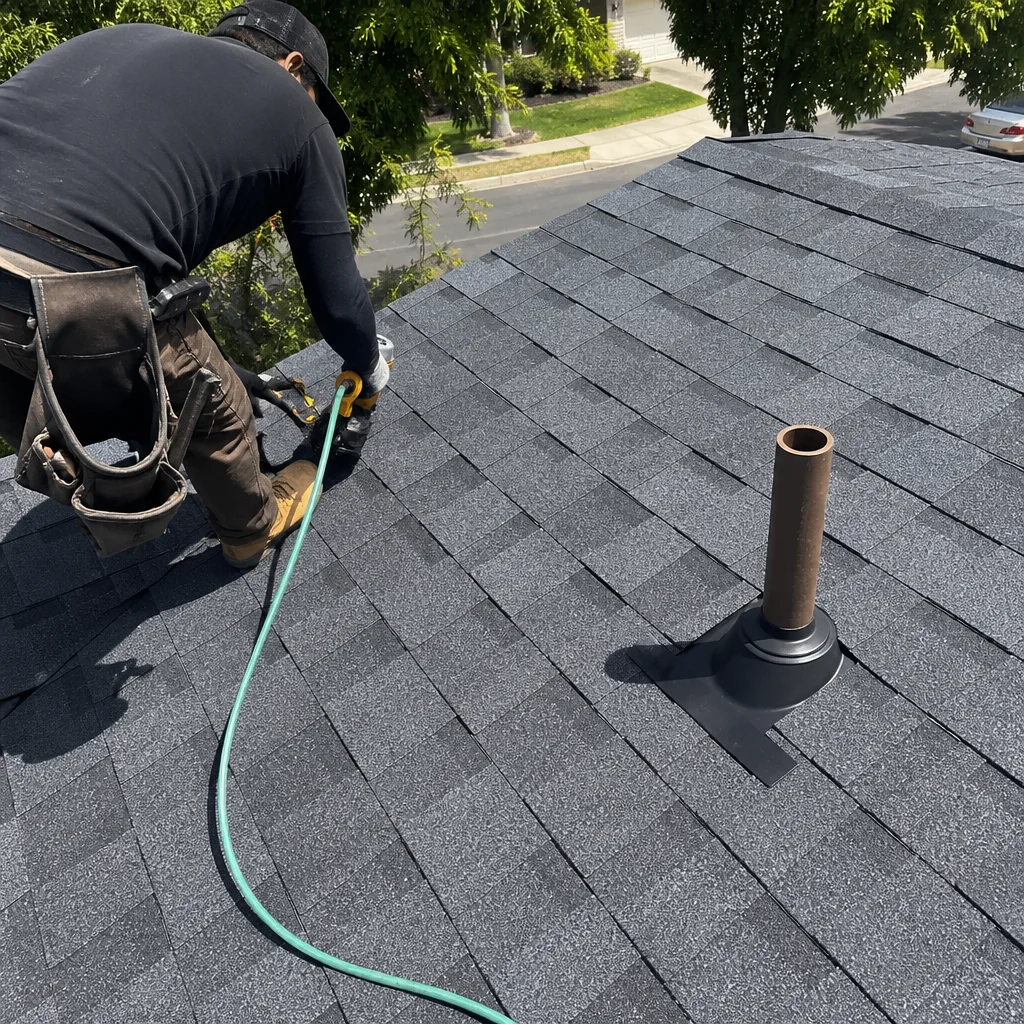
October and November bring Santa Ana events with gusts that, in Mission Viejo’s hill pockets and canyon-adjacent neighborhoods, can exceed 60 mph even when the valley floor is calmer. Shingle wind ratings, nail placement (six nails per shingle versus the common four), and proper starter-strip installation are not theoretical concerns here. They are the difference between a roof that holds and a roof that loses shingles in the first Santa Ana season after installation. This is why we recommend six-nail application on exposed slopes in Mission Viejo, regardless of manufacturer minimums.
Wildland-Urban Interface Zones
Portions of Mission Viejo, particularly neighborhoods on the eastern edge toward the foothills and areas adjacent to open space corridors, sit within WUI zones as designated by the city’s Safety Element. The practical effect on a roofing estimate is that code may require fire-resistant underlayment and sometimes Class A fire-rated assembly materials. This is not optional when it applies, and the line item matters. We have seen homeowners choose tile because they prefer the aesthetic, only to learn that tile on their home requires a structural addition they weren’t planning for. Material-appropriate recommendations are the whole point of a brand-matched approach. Briarwood Roof Repair home and our three-service model exist so that the recommendation you get is driven by what your house actually contains, not by what a single-brand installer wants to sell.
Common Mistakes to Avoid
- Comparing quotes by bottom-line number alone. A $14,000 quote without decking allowance, permits, or upgraded underlayment is not cheaper than a $19,000 quote that includes all three. It’s less complete. You’ll pay the difference in change orders.
- Assuming all “warranties” are equivalent. A standard manufacturer defect warranty and a top-tier system workmanship warranty are dramatically different products. Ask which one is in the quote and what it costs to upgrade.
- Skipping the permit to save $600. In Mission Viejo, an unpermitted roof can become a disclosure nightmare at sale. It can also mean your city-approved inspector never verified the work. The savings aren’t savings. They’re deferred cost.
- Delaying a replacement on a 30-year-old, two-layer roof. Each year you wait, the risk of a leak increases, and the decking beneath continues to degrade. The eventual replacement gets more expensive, not less. Roofing doesn’t go on sale.
- Replacing a tile roof with shingle without checking structural implications. Sometimes shingle is the right call for weight or cost. Sometimes the home’s roof structure and aesthetic (and HOA requirements) make tile the only realistic option. Get the structure evaluated before making material decisions.
- Taking the cheapest repair quote on an aging roof. If multiple contractors tell you the roof is done and one tells you it just needs a $350 patch, ask that contractor what the other slopes look like. Cheap patches on failing roofs buy months, not years.
- Not asking about nail pattern. Six nails per shingle costs a few hundred dollars more across a whole roof. Against Santa Ana winds, it’s the cheapest insurance you’ll ever buy.
When to Call a Professional
If you’re seeing water stains on a ceiling, granule buildup in gutters, or shingles in the yard after a wind event, you need a professional assessment, not a ladder and hope, and you should review our Roofing Emergency Preparedness Guide for Mission Viejo Homes. Roof work near valleys, flashing, and the eave edge requires attention to detail that only comes from working on hundreds of roofs in your specific climate. Safety matters too: roof work on Mission Viejo’s steeper residential slopes is genuinely dangerous for untrained homeowners. The right move is a diagnostic inspection that tells you exactly what’s wrong, what it costs to fix, and whether repair or replacement makes sense. Briarwood Roof Repair offers free estimates in Mission Viejo. Call (855) 707-6114 to schedule one.
Frequently Asked Questions
A full roof replacement for a typical 2,000 sq ft Mission Viejo home costs $14,000 to $23,000 for architectural shingles and $28,000 to $40,000 for concrete tile, including tear-off, decking allowance, permits, and standard warranty. For a precise number on your specific roof, call (855) 707-6114 for a free estimate.
The spread comes from assumptions about tear-off layers, decking replacement allowance, warranty tier, underlayment upgrades for WUI zones, and access constraints. Contractors who assume perfect decking and one layer price lower. Those who plan for Mission Viejo’s typical aging roofs price higher. Neither is necessarily wrong in intent, but you need to know which assumptions are in the number.
Yes, the city requires a building permit for roof replacement, and the permit fees are typically $450 to $900 depending on the project valuation. Any contractor who suggests skipping the permit is shifting a real legal and financial risk onto you. We handle permitting on every replacement.
Cool-roof-compliant architectural shingles cost roughly $130 to $180 per square as a standalone material, about 15% to 20% more than standard architectural shingles. In Mission Viejo’s inland climate, with 9,000-plus thermal cycles over the roof’s life, the reduced heat absorption can extend shingle life on southern exposures and lower attic temperatures. The upgrade is most worthwhile on homes with south-facing roof slopes and attic HVAC equipment.
If the roof is under 15 years old and damage is isolated, repair is almost always correct at $400 to $1,800. If it’s over 25 years old or has two layers of shingles, replacement is the financially sound move. Between 15 and 25 years, the decision depends on slope condition and how long you plan to stay in the home. A Roof Inspection in Mission Viejo provides the honest assessment to make that call.
A standard architectural shingle replacement takes two to four working days for a 2,000 sq ft home, assuming one tear-off layer and minimal decking surprises. Concrete tile runs four to eight days. The variables are weather (Santa Ana season can pause work for safety), decking replacement volume, and access constraints. We schedule in clear terms before work begins so you’re not guessing.
The Bottom Line
Roofing costs in Mission Viejo in 2026 are not a mystery. They’re a stack of line items, and the line items are knowable. Material prices are what they are. Labor scales with your roof’s pitch, valleys, and access. Permits and dump fees are fixed costs no honest contractor can make disappear. Decking replacement is a variable, but an allowance-based quote handles that variable transparently. Warranty tiers cost money and return value in proportion. The homeowner who gets three quotes and picks the middle one without understanding what’s inside any of them is gambling. The homeowner who reads all three assumptions line by line makes a decision. We’d rather you be the second kind, even if you don’t call us. But if you’d like a quote built on clear assumptions, from a team that works across seven brands and three focused services, we’re here. Call (855) 707-6114 for a free estimate in Mission Viejo.
Written by the team at Briarwood Roof Repair, serving Mission Viejo since 2014.
See the difference
 Before
 After
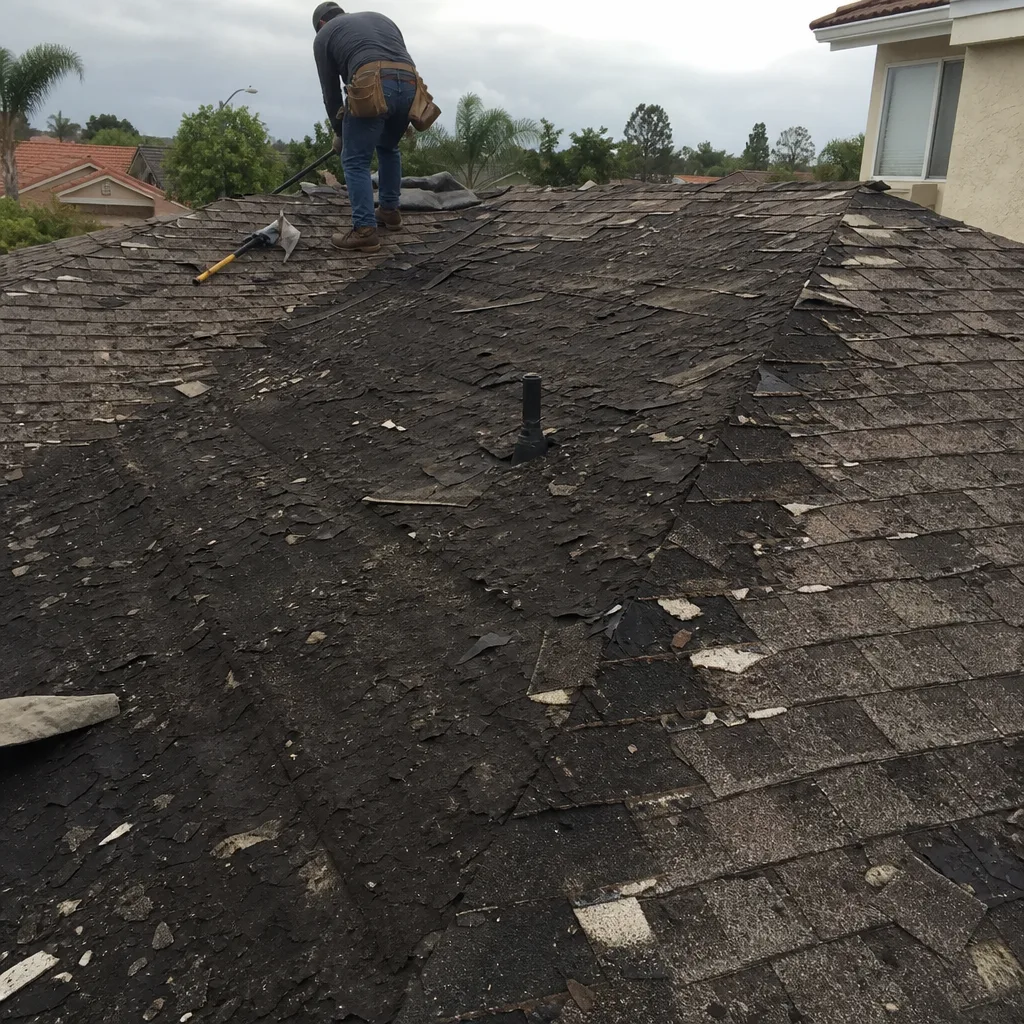 Before
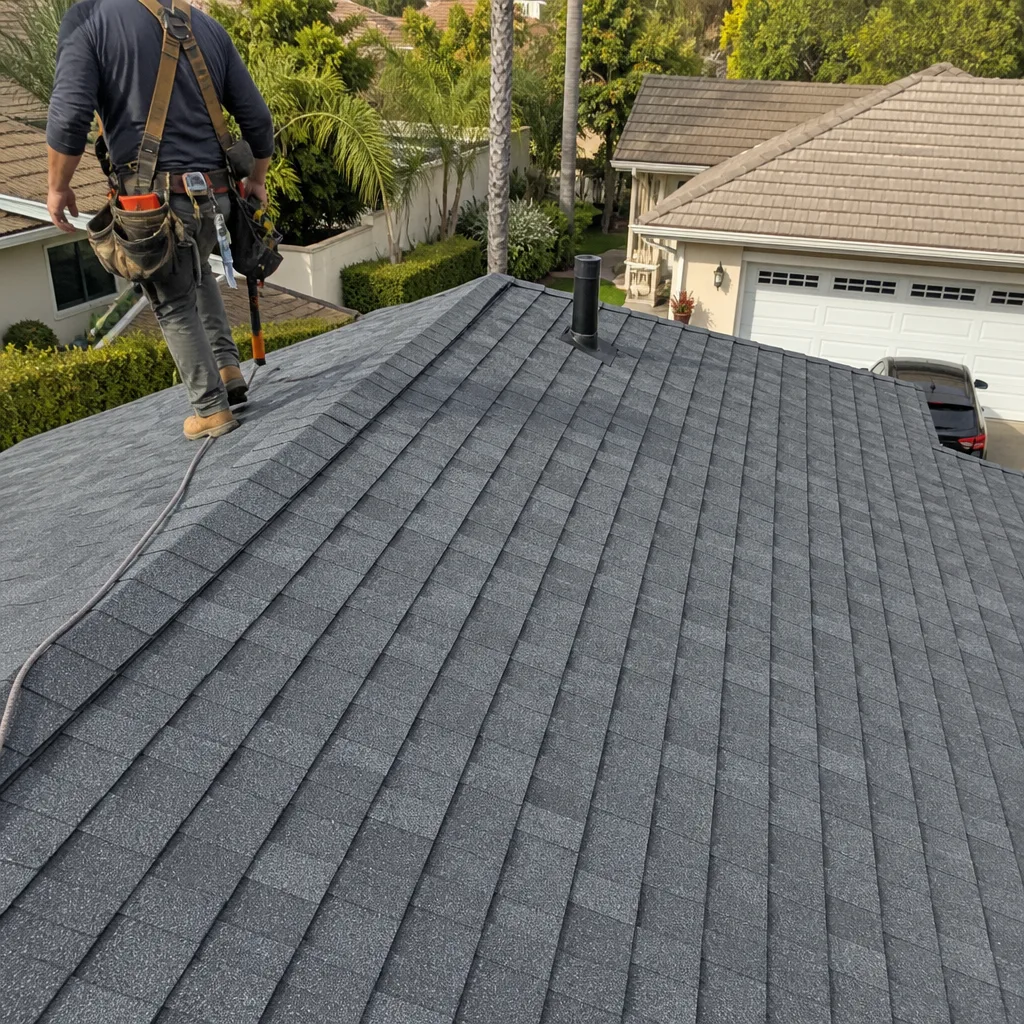 After
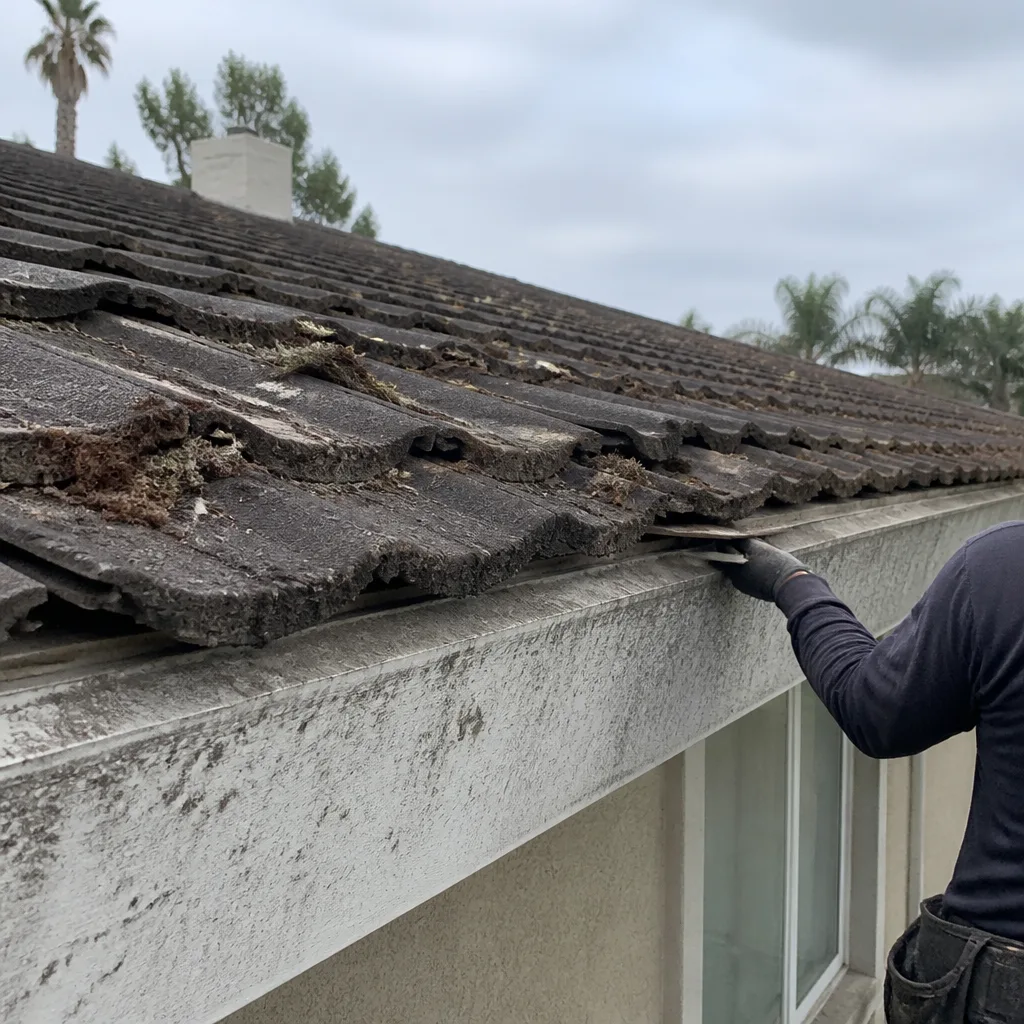 Before
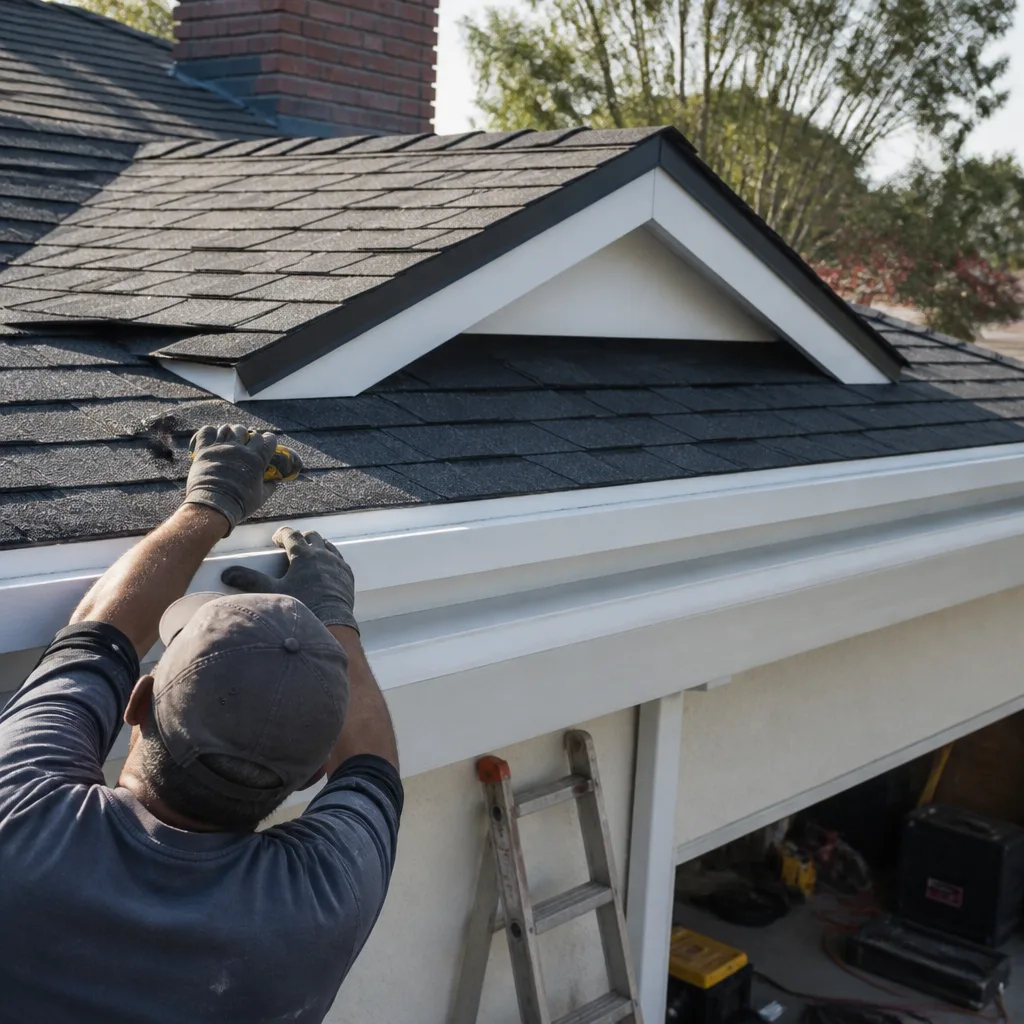 After