
Last updated October 30, 2026
 Metal roofing
 Architectural shingles
 Tile roofing
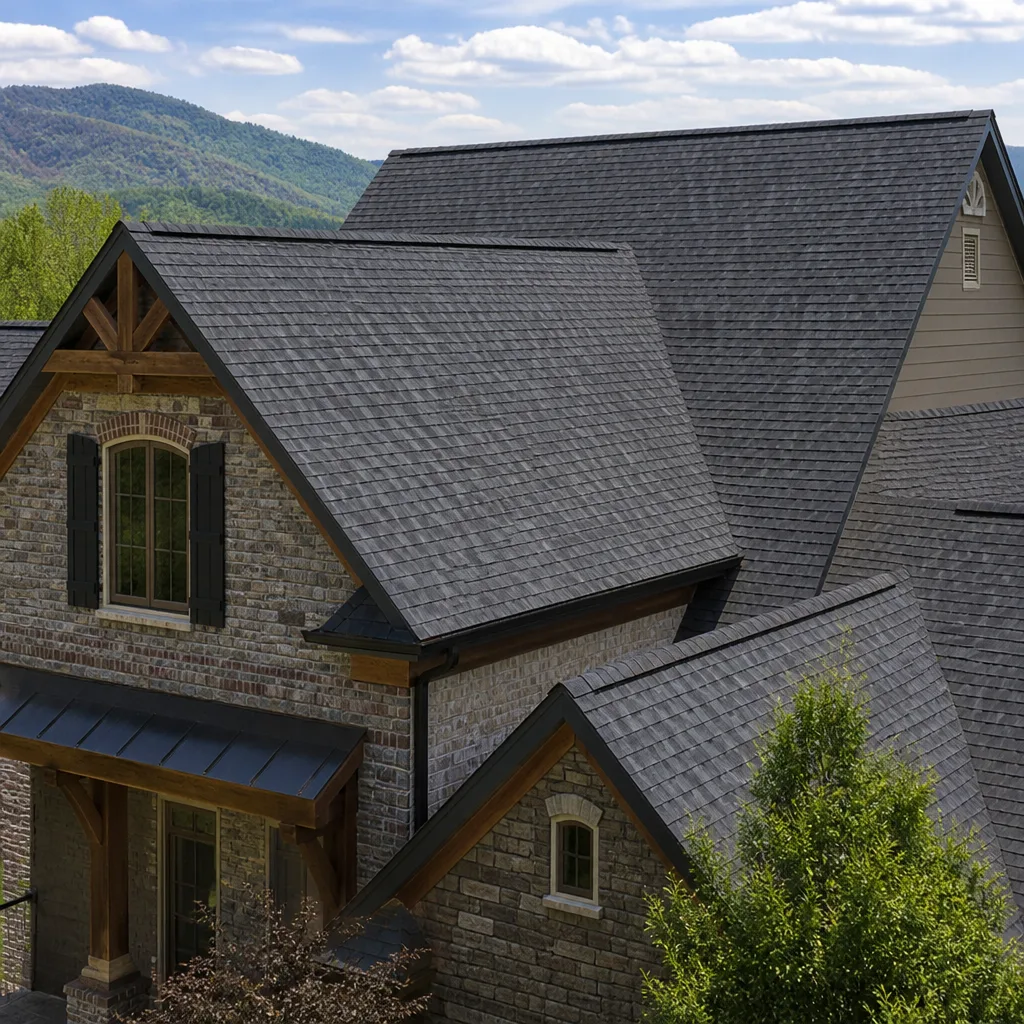 GAF
 Owens Corning
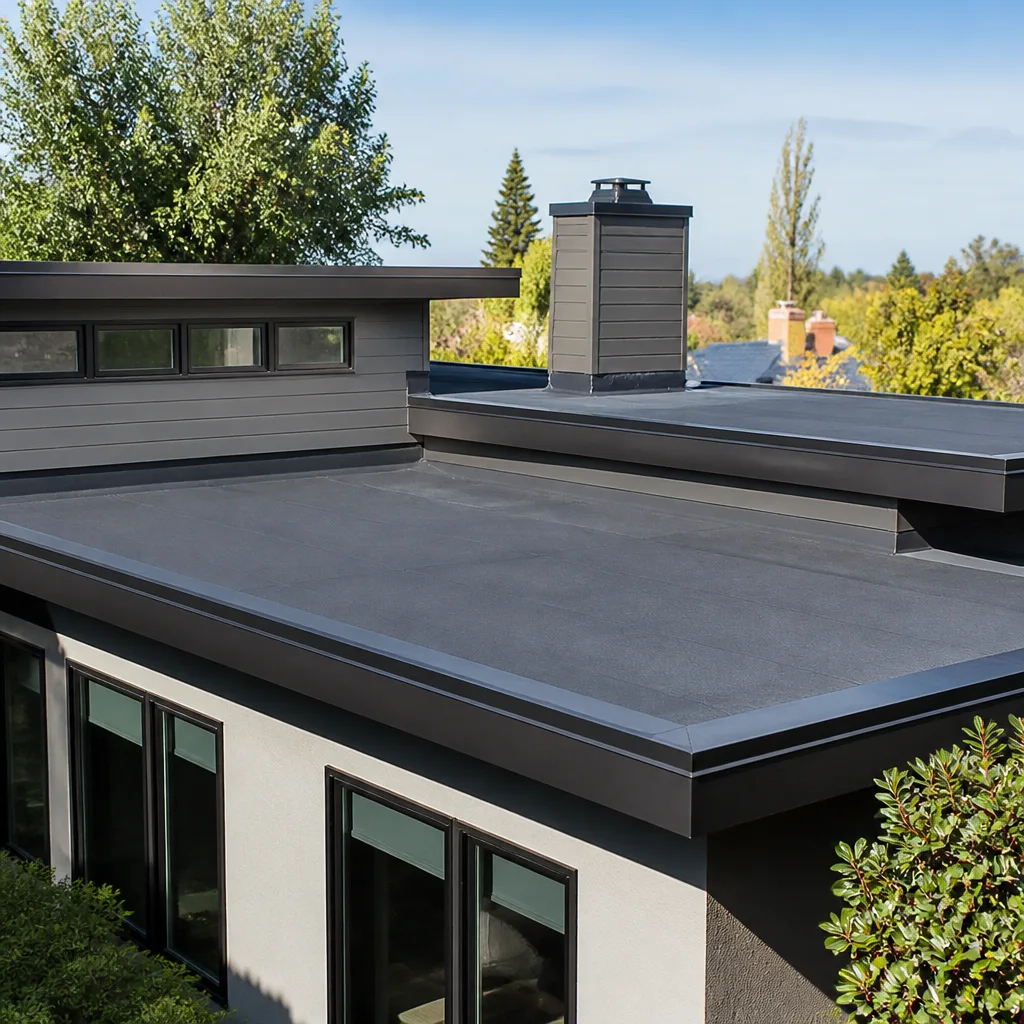 Flat & low-slope
Free roof inspection with deck photos before we talk money - GAF and Owens Corning certified installation
Roofing Warning Signs: A Mission Viejo Homeowner’s Reference Guide
Granules in your gutters after a January rain aren’t a warning sign. They’re a confirmation that shingle degradation is already well underway. The real warning sign arrived two years earlier, and it was subtle enough that most Mission Viejo homeowners walked right past it on the way to the mailbox. This Complete Guide to Roofing in Mission Viejo is about those early signals: the ones that show up on south-facing slopes, inside your attic on a hot August afternoon, and around the flashing joints where Mission Viejo’s classic Spanish tile and dimensional shingle roofs most often fail. You’ll learn what to look for now, before the repair quote becomes a replacement quote. In our experience across Mission Viejo neighborhoods from Lake Mission Viejo to Pacific Hills, the homeowners who catch these early signs save between 40 and 60 percent on what the eventual fix would have cost if left alone.
Styles & brands we work with
Quick Answer
The earliest roof warning signs in Mission Viejo are visible inside your attic before anything shows on the roof itself: dark staining on the underside of the roof deck, rusted or darkened nail points poking through the sheathing, and light visible around vent penetrations. Outside, watch for shingle edges starting to curl slightly upward on south- and west-facing slopes, and for granule loss concentrated on one slope while the other side still looks uniform. Any of these means the roof is roughly six to eighteen months from visible leaks, which is the window where repair is still a cost-effective option.
Table of Contents
- The Attic First: Three Failure Signals You Can Only See From Inside
- Granule Loss on Mission Viejo Roofs: Normal Wear vs. UV Damage
- Flashing Failure: The Most Common Leak Source on Mission Viejo Homes
- Ridge Line Waviness and Sag: What It Means and What It Doesn’t
- How Different Shingle Brands Age in Mission Viejo’s Climate
- Mission Viejo Tile Roof Warning Signs Most Guides Skip
- A Seasonal Inspection Routine for Mission Viejo Homeowners
- Common Mistakes to Avoid
- When to Call a Professional
- Frequently Asked Questions
- The Bottom Line
The Attic First: Three Failure Signals You Can Only See From Inside
Most Mission Viejo homeowners check their roof from the street or the backyard. That’s a natural instinct, but it’s also the wrong starting point. The underside of your roof, visible from inside the attic, tells you what’s happening months before any exterior symptom appears. We do hundreds of roof inspections each year in Mission Viejo, and we’ve found that about a third of roofs with no visible exterior problems already have clear interior evidence of trouble starting.
Here are the three things to look for next time you’re in the attic, ideally on a sunny afternoon when natural light is strongest.
Dark, irregular staining on the underside of the roof deck. This isn’t water damage in the traditional sense, although water is involved. In Mission Viejo’s climate, the daily temperature swing combines with morning marine layer moisture and afternoon heat to create condensation on the underside of the deck. Over time, that moisture interaction darkens the wood plywood or OSB in streak patterns. You’ll see it most on north-facing and shaded sections where the deck stays cooler longer. Dark staining means the roof’s ventilation is inadequate or the underlayment is starting to allow moisture contact. Neither is an emergency today, but both are the kind of condition that leads to deck rot if ignored. A quick test: press a flathead screwdriver tip gently into a dark area. If the wood feels spongy or flakes more easily than surrounding wood, you’re looking at rot, not just staining, and you should call for a professional assessment.
Nail points that look rusted, dark, or crusty. Your shingles are held in place by nails that pass through the deck from above. When you look up at the plywood in your attic, you can see the tips of those nails. On a healthy roof, they’re silver or slightly dull. When they show rust blooming around each point, or a dark ring where the nail meets the wood, that’s a signal that moisture is moving through the deck and interacting with the metal. This is a classic early warning on roofs 12 to 18 years old in Mission Viejo, especially on the south-facing side. The nails aren’t failing yet, but the moisture path has begun. Left alone, this progresses to deck rot at each nail point, and those nails lose holding power, which leads directly to shingle loss in the next Santa Ana wind event.
Light visible around vent pipes, HVAC penetrations, or the chimney chase. Turn off your attic light and let your eyes adjust for a minute. Look for pinpoints or slivers of daylight coming through the deck at any vertical penetration. Mission Viejo homes typically have at least three to five of these: plumbing vents, a bathroom fan exhaust, a gas appliance flue, the kitchen hood vent, and sometimes an attic access turtle vent or furnace intake. Any light around these penetrations means the flashing or the boot seal has begun to fail. The opening may be the size of a pencil eraser, which is nothing visually from outside, but in a Mission Viejo winter rain, water follows gravity and that hole is plenty big enough to wet the insulation and stain the ceiling below.
If you see any one of these three, the roof is speaking to you. It hasn’t leaked yet, but it’s telling you where the leak wants to start.
Granule Loss on Mission Viejo Roofs: Normal Wear vs. UV Damage
Granule loss on a Mission Viejo shingle roof is a fact of life. The ceramic-coated granules on asphalt shingles are there to protect the asphalt mat from UV radiation, and Mission Viejo gets around 280 days of sun a year. Some granule loss is normal. The question isn’t whether granules are shedding, but whether they’re shedding at an accelerated, pattern-specific rate that signals premature aging.
Here’s how to tell the difference.
Normal granule shedding accumulates in gutters at a slow, steady rate. After a rain, you might see a thin, even layer of granules spread along the bottom of the gutter. The shingles themselves still show full, uniform color. You can’t see bare asphalt patches anywhere on the roof from the ground.
UV-accelerated degradation looks different. In Mission Viejo, the sun beats hardest on south-facing slopes and, in the afternoon, on west-facing slopes. We see roofs in neighborhoods around Alicia Parkway where the south slope looks ten years older than the north slope on the same roof. The telltale signs are these:
- Bare asphalt showing in patches or streaks. The shingle’s ceramic coating is gone in specific areas, and you can see the darker, smoother asphalt mat beneath. This is not uneven wear from weather. It’s a failure of granule adhesion on that particular slope.
- Uneven color between slopes. A north slope that still looks dark and full while the south slope looks faded, gray, or thin. This is the classic Mission Viejo pattern: the south slope degrades 30 to 40 percent faster than the north slope under identical rainfall and wind conditions.
- Granules accumulating in a specific downspout. If the gutter on the south side fills with granules much faster than the north side, the accelerated wear is real and measurable.
- Bald spots around the edges. Shingle edges, especially on the rake edges of south-facing slopes, take the most direct UV hit. When the edges start losing granules while the shingle field still looks intact, that’s the first visible stage of the failure curve.
One more Mission Viejo-specific factor: reflected sunlight off Lake Mission Viejo. Homes on streets where the water is visible to the south or west get a second dose of UV bounced off the lake surface. It’s not a huge factor, but over a decade it can accelerate granular loss by 10 to 15 percent on the lake-facing slope. If your home has a water view, that slope deserves extra attention.
When granule loss reaches the bare-asphalt stage, the shingle is no longer protected from UV. It begins to cook: the asphalt becomes brittle, cracks form, and wind-driven rain finds its way to the mat. At that point, replacing individual shingles is still possible if the damage is localized. If it covers more than a quarter of a slope, the math starts to favor a slope-by-slope replacement or a full Roof Replacement in Mission Viejo conversation.
Flashing Failure: The Most Common Leak Source on Mission Viejo Homes
In Mission Viejo, we see far more leaks from flashing than from shingle failure. Flashing is the metal, typically galvanized steel, aluminum, or copper, that seals the joints where the roof meets a vertical surface or a penetration. Chimneys, skylights, HVAC curbs, vent pipes, roof-to-wall transitions, and valleys all depend on flashing to stay watertight. Flashing is also the roof component with the shortest lifespan relative to the roof itself, especially in a coastal-influenced climate with morning marine layer moisture and salt-tinged air.
Early flashing failure shows up in ways most homeowners miss because they’re looking at the shingles instead of the joints. Here’s what to check.
Step 1: Look for lifted or buckled flashing at the base of chimneys and skylights. From the ground or a ladder at the eave, look at where the chimney meets the roof plane. The step flashing, which is the series of L-shaped metal pieces woven between the shingles and the chimney, should be nearly invisible. If you can see metal lifting away from the chimney even slightly, or if the caulk line along the top of the counterflashing has cracked or pulled away from the stucco, water has a path in. On Mission Viejo homes with stucco chimneys, the counterflashing is often set into a mortar joint, and that mortar deteriorates over time, leaving a hairline gap that seems harmless until the first winter rain.
Step 2: Check the rubber boots on vent pipes. Every plumbing vent and furnace flue has a rubber boot at its base, which seals the pipe to the flashing cone. Under Mission Viejo’s sun, rubber boots age fast. Look for cracking on the surface visible from the roof edge, or for a boot that has pulled away from the pipe entirely. Most boots last 8 to 12 years here before the UV breaks down the neoprene. The vent pipe itself may be fine. The boot is the failure point.
Step 3: Examine roof-to-wall joints for a dark line forming. Mission Viejo’s higher-end developments, especially in the hills around Pacific Hills and Stoneridge, feature roofs that die into second-story walls with stucco finishes. The step flashing is concealed behind the stucco, but the junction gets sealed with a line of exterior-grade sealant. When that sealant shrinks and pulls away from the stucco, it leaves a dark, jagged gap visible from the ground. This is an early flashing failure you can spot from the driveway.
Step 4: Look at valley metal. Valleys are the V-shaped channels where two roof planes meet. Mission Viejo homes built in the 1980s and 1990s often have open valley metal: a strip of metal running down the center of the valley with shingles on both sides. Over time, the metal’s factory finish wears away, leaving bare galvanized steel that gradually oxidizes. Once pitting begins, the valley develops pinholes. You can spot early valley trouble by looking for a dull, chalky appearance on the metal, or a visible seam where two valley sections overlap unevenly.
The pattern we see repeatedly in Mission Viejo is this: the shingles still have five to eight years of life left, but the flashing has quietly expired. The fix for flashing failure is usually localized, often a few hundred dollars versus a full tear-off. The catch is that most flashing work requires removing the surrounding shingles, which is technical work best handled by a team that understands how the original system was installed. For that, Roof Repair in Mission Viejo done right means matching the new flashing to the existing materials rather than caulking over the problem, which is a temporary patch at best.
Ridge Line Waviness and Sag: What It Means and What It Doesn’t
One of the questions we answer most often from Mission Viejo homeowners is about the ridge line. They stand in the street or the neighbor’s driveway and they notice the ridge isn’t perfectly straight. There’s a slight wave, or a dip, or the ridge looks higher on one end than the other. Their question: is my roof structure failing?
The honest answer is that ridge line geometry is complicated, and most of the time what a homeowner sees is not structural failure. But sometimes it is, and the distinction matters.
What’s normal. Older Mission Viejo roofs, especially those built before 1990, often show minor ridgeline irregularities due to lumber that was not perfectly dimensional, slight settling over decades, or the original framing tolerances common in production housing of that era. A ridge that deviates by an inch or less over a 30-foot run is typically nothing to be concerned about. Likewise, rippling in the ridge shingles themselves, a visual waviness without any corresponding sag in the structure, is often just heat-related expansion. Mission Viejo summer temperatures regularly hit 95 degrees on the roof surface, and ridge shingles expand and soften slightly. When they cool, they don’t always return perfectly flat. This appearance is cosmetic, not structural.
What’s concerning. A dip or downward bow in the middle of a ridge run that you can see clearly from 50 feet away is a different story. So is a ridge line that appears to have moved recently, meaning you don’t remember seeing the dip last year but it’s obvious now. These can indicate one of three things: the ridge beam is undersized for the span, the roof framing has been compromised by moisture intrusion and rot, or excessive weight has been added to the roof, most commonly from a second layer of shingles installed over an original layer or from tile that replaced shingles without upgrading the framing.
One Mission Viejo-specific factor is the weight issue. Many neighborhoods in the Lake Mission Viejo area originally had wood shake or lightweight shingle roofs. Over the years, homeowners replaced those with concrete tile, which weighs roughly four times more per square. If the original framing was not designed for tile loads, the structure can slowly deflect under the weight. The movement is gradual, often taking a decade or more to become visible. By the time a homeowner notices the ridge sagging, the structure has been creeping for years.
If you notice a sag and it’s accompanied by any of these secondary signs, the next call should be to a structural engineer, not a roofer: interior ceiling cracks above the sagging area, doors that have started sticking in nearby rooms, windows that have become harder to open, or a visible bow in the ceiling drywall. Those indicate the structure is moving enough to affect the house itself. A roofer can then follow the engineer’s recommendations for what the roof needs after the structural question is answered. If, on the other hand, the sag is subtle with none of those interior symptoms, the issue may be a localized framing problem, and a Roof Inspection in Mission Viejo that includes an attic evaluation of the framing members is the right first step before any major decision.
How Different Shingle Brands Age in Mission Viejo’s Climate
Not all shingles age the same way, even under identical Mission Viejo sun. This matters because the warning signs on your roof depend partly on what product was originally installed, and our buyer’s guide for choosing the right roofing brand in Mission Viejo covers how to evaluate your options. We work across the seven major shingle brands: GAF, CertainTeed, Owens Corning, IKO, Atlas, Tamko, and Boral. That brand fluency means we know how each product line tends to look and behave as it approaches the end of its service life. Here’s what that looks like for two of the most common brands in Mission Viejo.
GAF Timberline shingles are among the most widely installed in Southern California, and Mission Viejo is no exception. A 15-year-old Timberline in our climate typically shows a distinct pattern: subtle curling at the edges of the shingle tabs, most visible on the south slope. The granule color fades to a uniform lighter tone rather than blotchy patches. The shingle mat remains flexible. What we notice most often is tab corners starting to lift, not the full shingle. Timberlines are also prone to what roofers call “blistering” after extended UV exposure: tiny raised pimples on the shingle surface where trapped moisture in the asphalt expanded during heat cycling. Showers of small, broken granules after a hot spell are common. If the curling extends past 1/8 inch at the tab edge, the shingle is in its final stages, and individual shingle replacement becomes risky because the surrounding shingles are too brittle to work around.
Owens Corning Duration shingles age differently under the same Mission Viejo conditions. The Duration line uses a different granule blend and a fabric-reinforced mat, and we see accelerated granule loss less often than edge curling. What a 15-year-old Duration typically shows is a loss of surface texture definition: the shingle’s signature shadow lines become less distinct, the color mutes, and the granule layer thins more evenly across the whole slope rather than in patches. Edge curling is less common; instead, we see nail pops through the shingle surface as the sealant strip degrades and the shingles lose their adhesive bond. The shingles are still there and still overlapping, but they’re no longer sealing to the course below. After a strong Santa Ana, you’ll find more Duration shingles lifted and flapping than you will with a comparably aged Timberline.
The point isn’t that one brand is better than another. It’s that diagnosis requires knowing what “normal” looks like for the specific product on the roof. A repair approach that works for an Owens Corning roof isn’t necessarily right for a GAF roof with different adhesive and mat characteristics. That’s why material-matched patches matter: a repair is only as good as the material used and the method applied. We see too many Mission Viejo roofs where a previous contractor used whatever shingle was on sale and caulked it in place. It fails within a year or two. Brand-matched repair, using the same or a compatible product line, holds for the remaining life of the roof.
Mission Viejo Tile Roof Warning Signs Most Guides Skip
Mission Viejo has a significant share of concrete tile roofs, especially in the hillside neighborhoods and many of the lake-adjacent developments. Tile roofs present their own warning signs, and they’re different from shingle signs. Most roofing guides ignore them entirely. Here’s what to look for on a Mission Viejo tile roof, whether it’s flat-profile concrete or the classic Spanish barrel style.
Cracked or broken tiles along ridge caps. This is the single most common tile failure point in Mission Viejo. The ridge cap tiles are the curved pieces that sit along the peak and hip lines. They’re held in place with mortar or a specific adhesive system. After enough heat cycling and the occasional earthquake tremor, hairline cracks form, usually along the ridge line first. From the ground, a broken ridge cap often looks like a dark line or a slightly shifted tile. We inspect Mission Viejo tile roofs regularly where the field tile is in perfect condition but the ridge caps have multiple breaks. The good news: ridge cap replacement is a localized repair and one we handle frequently without touching the rest of the roof.
Loose or displaced hip tiles. Hip lines, the angled ridges where roof planes meet, take the brunt of wind uplift. After our Santa Ana events, hip tiles can shift slightly, or the mortar beneath can crack and loosen. You might notice a hip tile that looks rotated or sitting higher than its neighbors. This is a ridge line structural warning in miniature. A displaced hip tile allows water under the underlayment, which then runs down the roof deck, and the leak appears at a ceiling somewhere below the hip line, often in a closet or hallway far from the actual entry point. Tile roofs fail at the hips before they fail in the field. Check the hips first.
Efflorescence staining. On Mission Viejo tile roofs, a white, chalky stain on the underside of the eaves or along a roof-to-wall junction is called efflorescence. It’s mineral salts left behind as water moves through the tile and evaporates. Efflorescence means water is traveling through the tile system, which by itself is not a leak, because tile roofs are designed as water-shedding systems with an underlayment beneath. But persistent efflorescence in one area suggests the underlayment in that spot is no longer doing its job, and the moisture is entering the roof assembly. That’s a sign to get the underlayment checked, especially on Mission Viejo homes with original tile from the 1980s and early 1990s.
A Seasonal Inspection Routine for Mission Viejo Homeowners
Mission Viejo’s climate doesn’t have dramatic seasonal shifts, which means roof deterioration happens on a gradual, year-round schedule, though our Seasonal Roofing Care for Mission Viejo explains why inspections after the winter rains and after the summer heat are most valuable. Here’s a simple twice-yearly routine that catches most warning signs early.
- After the last significant winter rain (typically March or early April). Walk around the house and look at the gutter downspouts. If one downspout deposited a noticeably larger pile of granules than the others, note it. Check the ceilings below each roof penetration for a faint water mark, which shows as a slightly discolored ring that dries after a few hours. Check the flashing around chimneys and skylights from the ground. If the caulk line looks cracked or pulled away, it’s starting to fail.
- In August, after the longest stretch of extreme heat (typically late August). Go into the attic on a sunny afternoon and look for the three interior signs described earlier: dark staining, rusted nail points, and daylight around penetrations. Heat is when ventilation problems become most obvious, and it’s also when shingles that are losing adhesive strength show their first lifting at the edges. Check for blistering on south slopes. Check the tile hips and ridge caps for new cracks or shifts.
- After any wind event above 40 mph. Mission Viejo gets several Santa Ana events each fall and winter. Take a walk around the property afterward and look for shingle tabs in the yard or on the driveway, displaced tile, or a new gap along a ridge line. Fastening failures in shingles and tile often don’t create leaks immediately, but they open the door for the next rain.
- When you see your neighbor getting a new roof. This is a useful data point. Homes in the same Mission Viejo tract were typically built around the same time with the same materials and the same exposure. If three homes on your street are getting roofs replaced, your roof is on the same schedule. A standalone inspection, the kind that isn’t tied to a sales process, will tell you where your roof stands relative to the neighborhood wave.
None of these steps requires climbing onto the roof itself. They’re all ground-level or attic-level observations. If any of them turn up something concerning, that’s the point where a professional assessment makes sense. And for what it’s worth, an inspection that is actually an inspection, not a pre-replacement sales pitch, is the only way to get a straight answer about what the roof needs and what it doesn’t.
Common Mistakes to Avoid
- Caulking over failing flashing. It’s the most common temporary repair we see in Mission Viejo, and it almost never lasts. Caulk fails because the metal is still moving underneath it during heat expansion. If the flashing is compromised, replacing it properly is cheaper in the long run than repeatedly recaulking.
- Pressure washing a tile or shingle roof. Pressure washing strips granules off shingles and forces water up under tile, undermining the underlayment. If a contractor suggests pressure washing as part of roof maintenance, find another contractor.
- Installing additional layers of shingles over an existing layer. Mission Viejo allows some overlays under certain conditions, but adding a layer masks the early warning signs on the original roof and doubles the weight the structure must carry. When the second layer fails, both layers have to come off.
- Ignoring attic ventilation. The attic is where many Mission Viejo roofs die first. Poor ventilation cooks shingles from below, accelerates granule loss, and encourages the nail rot and deck staining described earlier. A roof inspection that never goes into the attic isn’t a real inspection.
- Assuming a new roof is the default. In our experience across Mission Viejo, a significant share of roofs that get replaced could have been repaired and extended for another three to five years. The difference comes down to whether the assessment is driven by honest diagnosis or by a contractor whose business model depends on selling replacements. Repair first, replace only when necessary.
When to Call a Professional
Some roof situations are safe to observe and document on your own. Others require a trained eye and the right equipment. Call a professional if you see any of the following: a visible sag in the ridge or any roof plane, water staining on interior ceilings that persists after a rain, daylight visible through the roof deck in the attic, multiple displaced hip or ridge tiles after a wind event, or granule loss that has progressed to bare asphalt over more than a small area. Any of these suggests the roof’s integrity is compromised, and the faster the issue is addressed, the less it costs to fix. Briarwood Roof Repair offers free estimates in Mission Viejo. Call (855) 707-6114 and we’ll assess what’s happening and give you a straight answer.
Frequently Asked Questions
Roof inspection costs in Mission Viejo vary depending on roof type, home size, and whether the inspection includes an attic evaluation and written documentation. Some companies offer free inspections as part of a replacement estimate, but those are sales tools rather than diagnostic services. Standalone inspections, the kind where the homeowner receives an honest condition report without an automatic replacement pitch, typically run a few hundred dollars. For an exact quote on a roof inspection in Mission Viejo, call (855) 707-6114 and we’ll walk you through what’s included.
The most common roof problem we see in Mission Viejo is flashing failure around chimneys, skylights, and vent penetrations. The shingles or tile on most Mission Viejo homes outlast the flashing, which deteriorates faster under intense UV exposure and daily temperature swings. The good news is that flashing repair is usually a localized job that costs a fraction of a full roof replacement.
A repair is usually the right call when the damage is localized, the roofing material still has at least five years of life left, the underlying deck is sound, and the damage is limited to a single area or a few isolated points. Replacement becomes the better value when the damage is widespread, the shingles or tile are approaching the end of their service life, or the structure beneath the roof has begun to deteriorate. The only way to know for sure is an honest inspection that looks at both the surface and the attic. Roof Inspection in Mission Viejo is a good starting point.
Granule loss alone does not mean the roof needs replacement. It depends on the extent and pattern of the loss. Uniform, minor granule loss is normal for a roof that has spent years under Mission Viejo sun. Concentrated granule loss on one slope, or loss that exposes bare asphalt, indicates accelerated aging, but even then localized repair is often possible. The deciding factor is how much of the roof is affected and whether the shingle mat has become brittle. A professional assessment can tell you where your roof falls on that spectrum.
Shingle roofs in Mission Viejo typically last 18 to 25 years, depending on the shingle brand, ventilation, and orientation to the sun. South-facing slopes age faster, and poorly ventilated attics can shorten overall lifespan by several years. Tile roofs last longer, often 40 years or more, but the underlayment beneath the tile typically lasts only 20 to 30 years and is the real limiting factor. These are general numbers, and your specific roof’s remaining life is best determined by an inspection.
Homeowner’s insurance generally covers roof replacement when the damage is caused by a sudden, accidental event like storm damage, fire, or a falling tree. Normal aging, granule loss, and gradual deterioration from Mission Viejo’s sun are maintenance issues and typically not covered. Some policies in California have specific roof age provisions that affect coverage. For a clear picture of what your policy covers, talk to your insurance agent, and if you need documentation of the roof’s condition for a claim, an independent inspection report can help.
The Bottom Line
Mission Viejo roofs speak early, and they speak quietly. The attic tells you about moisture and nail rot before anything shows outside. The south slope tells you about UV stress before the north slope feels it. The flashing joints tell you where water wants to enter, and the ridge line tells you what the structure is doing underneath. Every one of these signals is readable if you know where to look and what you’re seeing. The homeowners who catch them early get repairs instead of replacements, spend hundreds instead of thousands, and keep their roofs in service for years beyond the neighborhood average. The ones who wait until the ceiling stains appear are paying for the delay. If anything in this guide matches what you’re seeing on your Mission Viejo roof, start with an honest assessment. We work with the brand already on your roof, and we’ll tell you what’s actually needed. Call (855) 707-6114 for a free estimate.
Written by the team at Briarwood Roof Repair, serving Mission Viejo since 2014.
See the difference
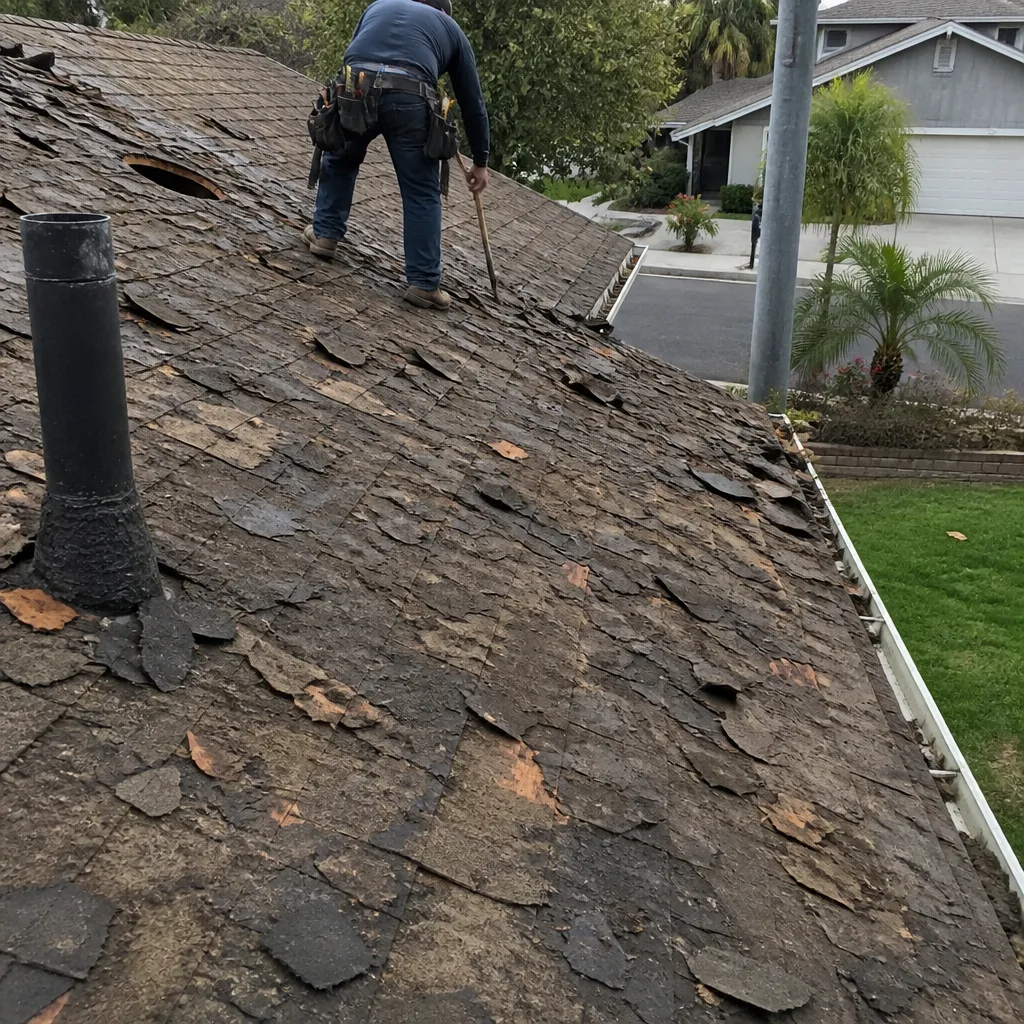 Before
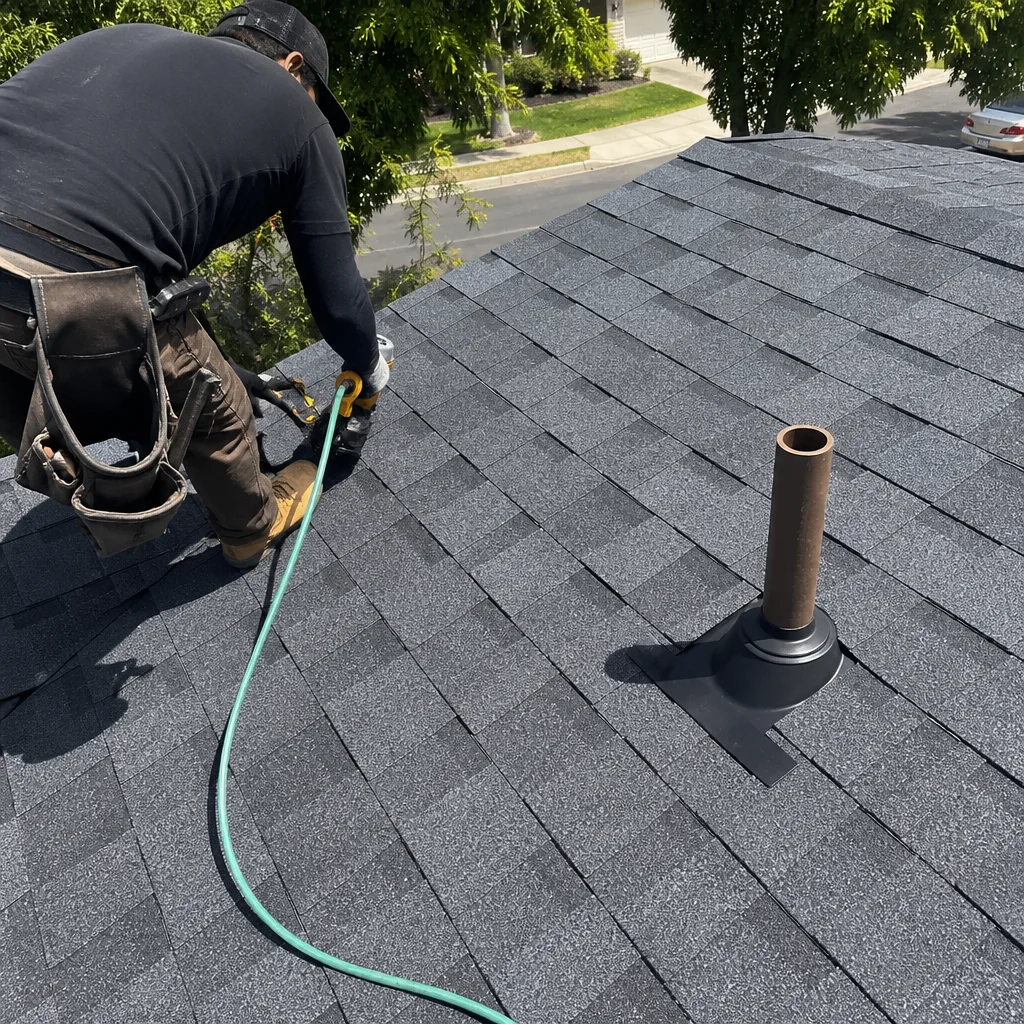 After
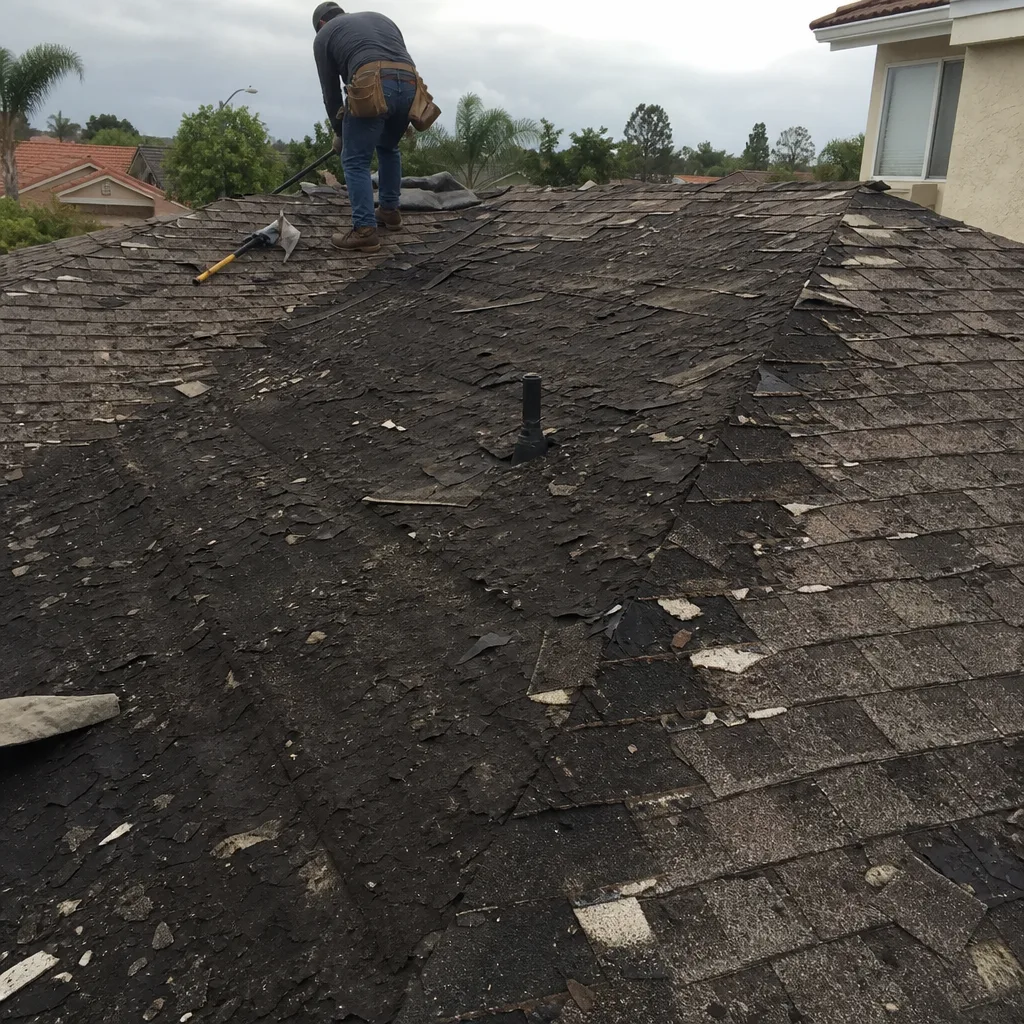 Before
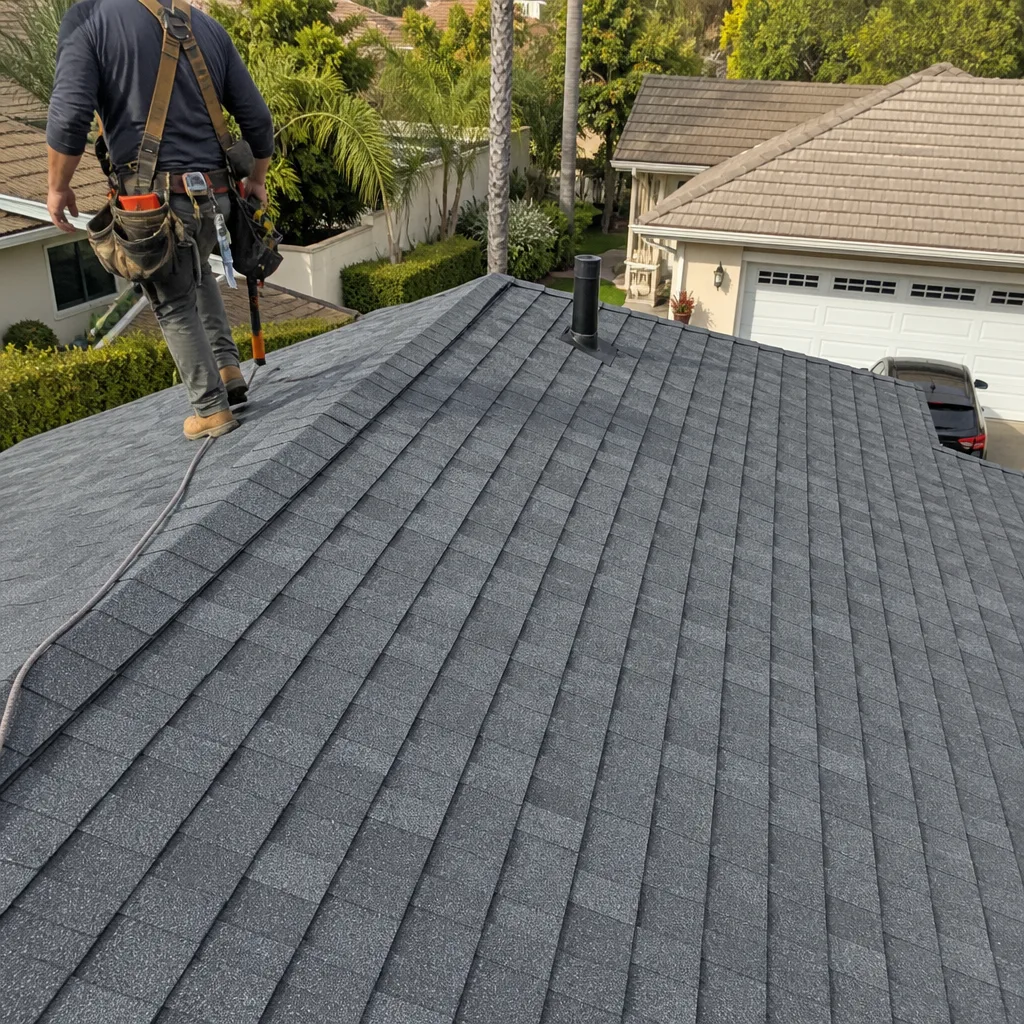 After
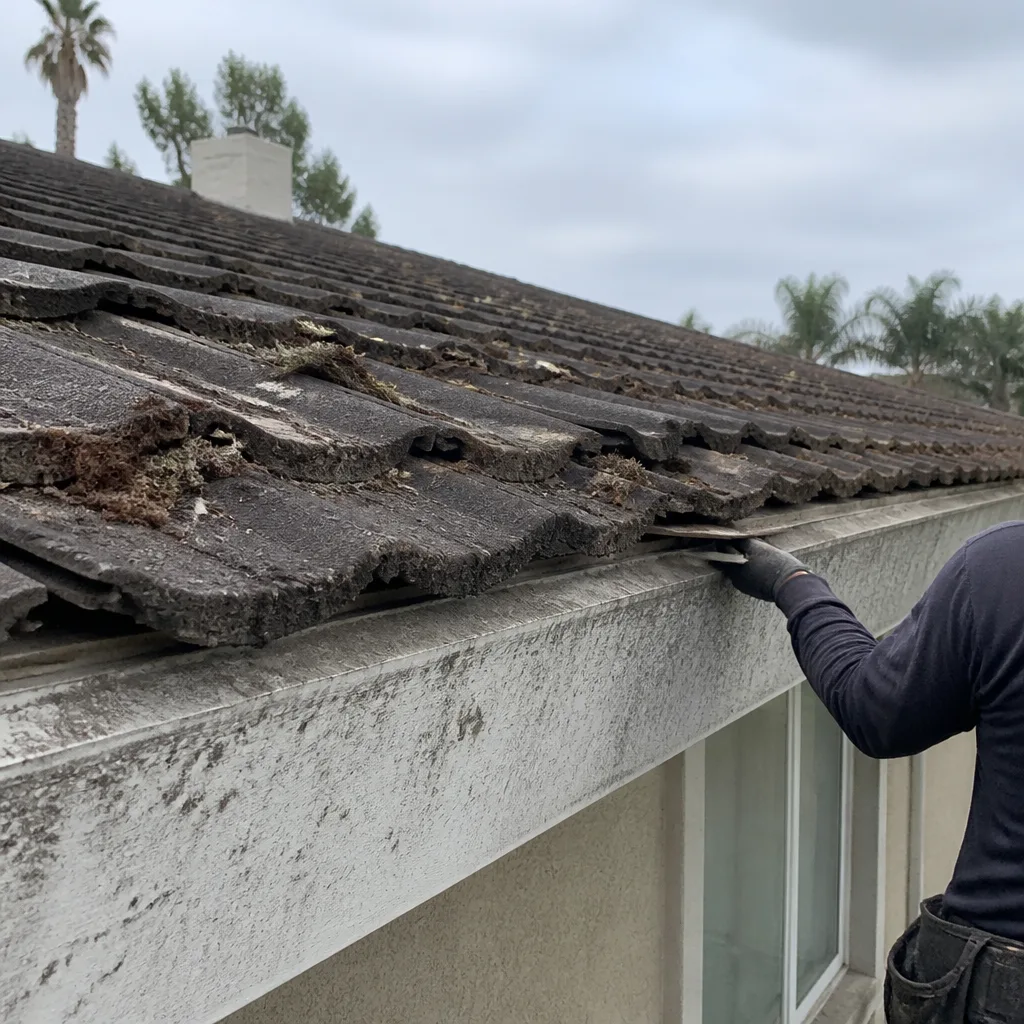 Before
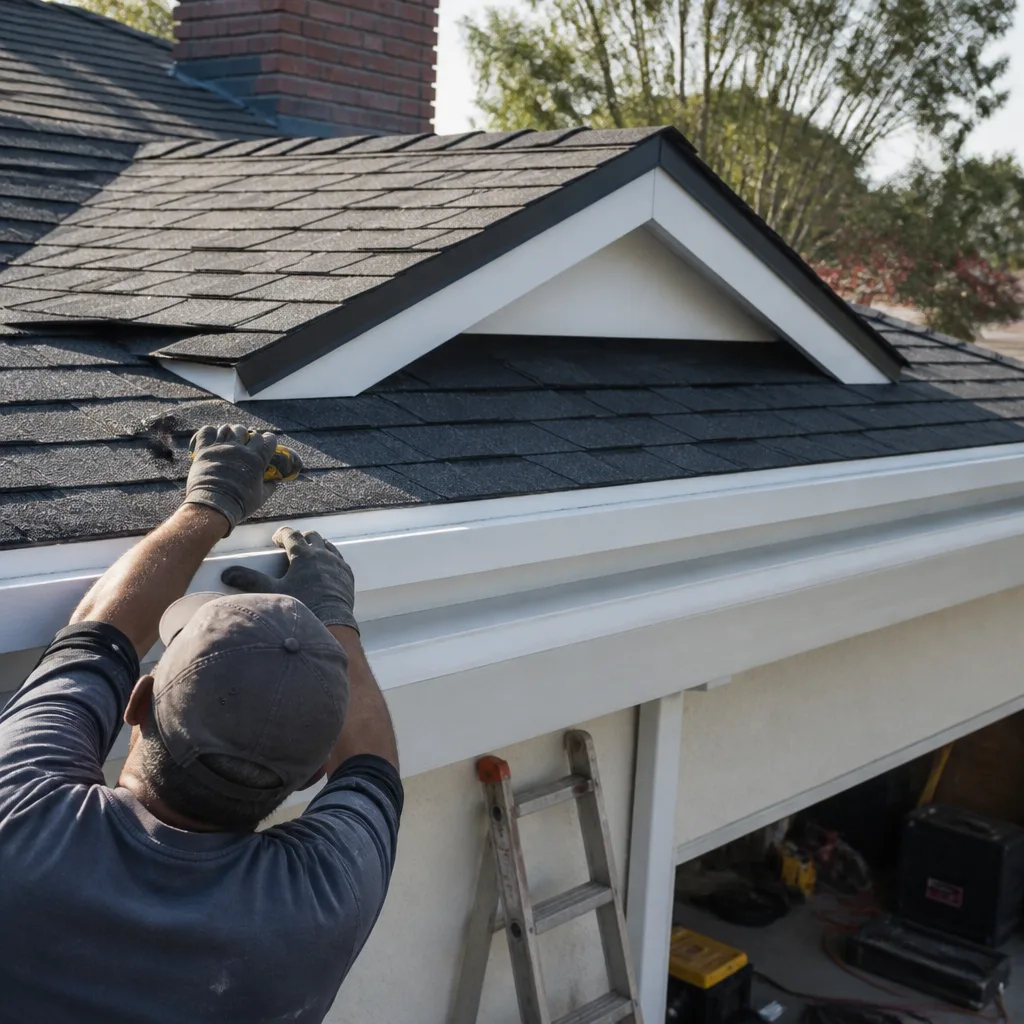 After