
Last updated October 30, 2026
 Metal roofing
 Architectural shingles
 Tile roofing
 GAF
 Owens Corning
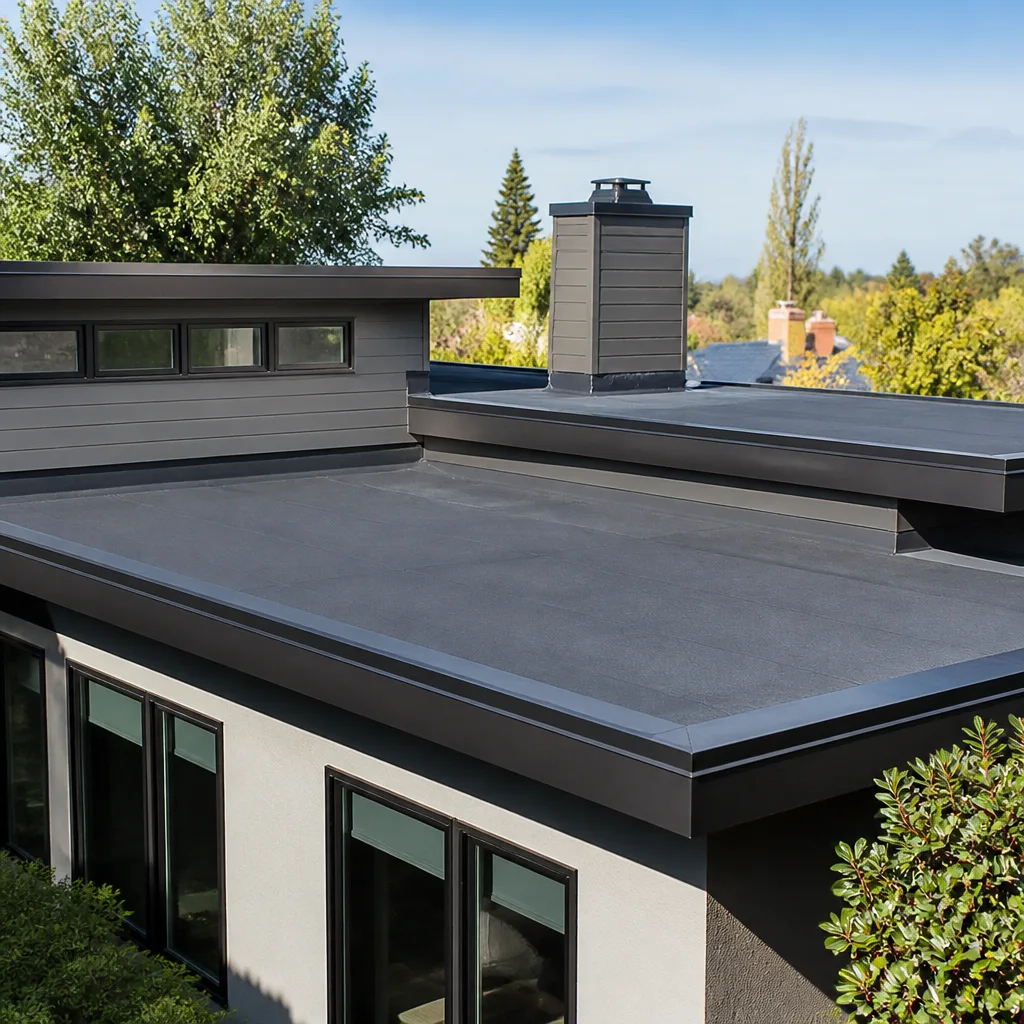 Flat & low-slope
Free roof inspection with deck photos before we talk money - GAF and Owens Corning certified installation
Seasonal Roofing Care for Mission Viejo: Year-Round Homeowner’s Guide
October in Mission Viejo is more dangerous for your roof than January. Santa Ana winds regularly exceed 60 mph in the Saddleback foothills, and the dry-hot conditions mean any lifted flashing or cracked sealant has zero moisture buffer before the first winter rain arrives weeks later. This guide—along with our Complete Guide to Roofing in Mission Viejo—reframes the local seasonal calendar around what’s actually stressing your roof each month, not the four-season model that works for Ohio or Massachusetts. You’ll learn which two windows matter most, what to check during the eight months of “quiet” UV degradation, and when to stop looking and start calling.
Styles & brands we work with
Quick Answer
Seasonal roof care in Mission Viejo breaks into two critical windows: the pre-Santa Ana checklist in September (ridge caps, flashing sealant, debris clearance) and the winter rain-prep window in November (gutter clearing, downspout flow checks, valley inspection). Between those windows, UV exposure, thermal cycling, and marine layer moisture do slow, cumulative damage to sealants and shingle granules that homeowners often miss until a leak appears. Two hours of targeted maintenance in September and November prevents the majority of emergency roof calls we see in South Orange County.
Table of Contents
- Why Santa Ana Season Is Mission Viejo’s Real Roof Threat
- September: The Pre-Santa Ana Checklist
- After the Wind: Assessing Damage Without Climbing Up
- November: The Winter Rain-Prep Window
- Spring: UV Exposure, Marine Layer, and Slope Orientation
- Summer: Thermal Cycling and the Sealant Problem
- A Month-by-Month Maintenance Calendar
- Common Mistakes to Avoid
- When to Call a Professional
- Frequently Asked Questions
- The Bottom Line
Why Santa Ana Season Is Mission Viejo’s Real Roof Threat
Santa Ana winds are a katabatic phenomenon: air from the high desert compresses and heats as it funnels through Cajon Pass, the San Gorgonio Gap, and the Santa Ana Canyon, then rips through Orange County’s inland valleys. In Mission Viejo, the wind arrives from the northeast and slams directly into the Saddleback foothill slopes where much of the city’s residential roofing sits. Gusts in the 50 to 70 mph range occur multiple times during a typical October-to-February window, with peak events pushing past 80 mph in the most exposed ridge-line neighborhoods.
What makes this dangerous for a roof is not the wind alone. It’s the combination of sustained mechanical force and extreme dryness. Wood decking shrinks, shingles become brittle, and sealants that stay pliable in humid air turn rigid and crack under 10 to 15 percent humidity conditions. A shingle that’s held in place by a flexible adhesive strip in normal weather can shear off when that adhesive has the consistency of old plastic.
The Three Failure Modes We See During Santa Ana Events
- Lifted ridge caps: The ridge cap is the roof’s spine. Wind hits it edge-on with no deflection. Loose or aged ridge cap shingles separate from the ridge line first, exposing the fasteners and underlayment beneath.
- Flashing separation: Pipe boots, chimney flashing, and valley metal flex under repeated wind loading. The sealant around them is already degraded by UV exposure. Once separation starts, every subsequent gust widens the gap.
- Debris impaction: Palm fronds, eucalyptus branches, and the occasional patio furniture cushion become projectiles. We’ve seen a single palm frond driven between shingle courses in a 60 mph gust cause more damage than a decade of normal wear.
The worst part about Santa Ana season in Mission Viejo? The winds occur during the driest months. Homeowners don’t see water stains, so they assume no damage exists. Then the first atmospheric river arrives in December, and every small separation becomes an active leak within hours.
If you’ve noticed any uplift after a wind event, our guide to Roof Repair in Mission Viejo covers the most common wind-related failure points and what repairs actually cost.
September: The Pre-Santa Ana Checklist
Labor Day weekend is the single best time of year to give your Mission Viejo roof an hour of attention. The marine layer has burned off, the summer UV peak is still a few weeks from fading, and Santa Ana season hasn’t started. Anything you catch now prevents damage during the wind events that define Orange County autumns.
The 6-Point September Inspection
- Walk the perimeter and look at the ridge line: From the street or backyard, scan for any ridge cap shingles that appear lifted, cracked, or missing. Use binoculars if you have them. The ridge is the highest-wind exposure on any Mission Viejo home.
- Check flashing sealant around all penetrations: Pipes, vents, skylight curbs, and chimney bases have sealant that degrades under UV. In Mission Viejo’s climate, sealant begins failing around year 5 to 7. Look for shrinking, cracking, or separation at the edges. A tube of roofing-grade sealant costs about $15 and catching this early can prevent a $400 repair.
- Clear all valleys and gutters of dry debris: Mission Viejo’s landscape is oak, eucalyptus, and ornamental palm-heavy. Dry eucalyptus leaves are small enough to wedge between shingle courses. Debris in valleys creates a damming effect during the first heavy rain, forcing water sideways under shingles.
- Check for lifted shingles at the eaves and rake edges: The edges of the roof take the highest wind pressure during Santa Anas. Press down gently on shingle corners at the gutter line using a broom handle. If they lift, the adhesive strip has failed and they need mechanical fastening or replacement.
- Inspect roof-to-wall intersections: Anywhere roof meets vertical wall, step flashing and counterflashing should be intact. These areas are wind-loaded on multiple axes and fail quietly.
- Trim overhanging branches: A branch scraping your shingles in a 40 mph gust removes granules, exposes the fiberglass mat, and shortens shingle life by years. Mission Viejo allows reasonable pruning without a permit, but check with the city for protected tree species.
Two hours in September prevents the majority of emergency calls we see during winter rain events. The work is boring, low-tech, and effective. This is exactly the kind of maintenance that extends a roof’s lifespan past the 20-year mark that most Orange County homeowners assume is the ceiling.
After the Wind: Assessing Damage Without Climbing Up
Santa Ana events in Mission Viejo typically last 24 to 72 hours. Once the wind dies down, homeowners should perform a ground-level damage assessment before the next rain arrives. And make no mistake: the next rain is coming, because Santa Anas and Pacific fronts alternate through the entire fall and winter.
What to Look for From the Ground
- Shingles in the yard or on the driveway: Any shingle or shingle fragment found after a wind event means something left the roof. The shingle in your yard is never the only one that lifted.
- Visible gaps in the ridge line: From the street, look for dark gaps at the roof’s peak. A gap means ridge cap shingles separated and the underlayment is now exposed.
- Lifted shingle corners visible from below: On sunny days, lifted shingles cast small triangular shadows. Walk the roof perimeter and look for uneven shadow patterns or shingles that appear to be sitting at an angle.
- Granules accumulating in gutters or at downspout outlets: Heavy granule loss after a wind event signals surface damage from wind-driven debris. Check the ground at the base of downspouts for a coarse, colored grit.
- Flashing that’s visibly separated from penetrations: From the yard, use binoculars to inspect pipe boots and chimney flashing. A gap of even a quarter-inch lets water in during the next rain.
What Warrants Immediate Repair vs. Monitoring
Immediate repair: Missing ridge caps, separated flashing, any shingle with visible fiberglass mat exposure, or any area directly above living space that shows water staining from the last rain. These issues will not self-correct and will become active leaks during the next storm.
Monitor: Granule loss without exposed mat, minor edge lifting that’s still bonded at the center, and sealant that looks aged but hasn’t fully separated. These issues can wait until the next routine service visit, but document them with photos so you can track progression.
Never climb on a Mission Viejo roof after a wind event. Shingles loosened by wind are unstable surfaces. A fall from any roof height is a life-changing or life-ending injury. Ground-level assessment plus a professional inspection is the correct protocol.
November: The Winter Rain-Prep Window
Mission Viejo’s wet season officially begins in November and runs through March, but the real action is concentrated in December through February. This is when atmospheric rivers from the Pacific tap into subtropical moisture and deliver the kind of rainfall intensities that expose every roofing weakness. Two hours of maintenance in early November prevents about 80 percent of the leak calls that Southern California roofers receive during the winter months.
The November Rain-Prep Checklist
- Clear and flush all gutters and downspouts: Mission Viejo homes with mature landscaping accumulate leaves, needles, and eucalyptus debris in gutters year-round. A clogged downspout during a heavy rain sends water back over the gutter lip and down exterior walls, often entering wall cavities through the eave intersection.
- Run water through each downspout: Use a garden hose at low pressure. Confirm water exits at the bottom of the downspout, not back up at the gutter connection or through a seam. Underground drain lines clog quietly and back up during the first real storm.
- Check all valleys for debris accumulation: Valleys concentrate water flow during rain. Any debris that’s accumulated since September creates a dam that forces water sideways under shingle edges.
- Inspect the underside of the roof deck from the attic, if accessible: Look for water staining, dark spots, or light penetration through the decking. This is the single best indicator of an existing leak that hasn’t yet shown itself on the ceiling.
- Test all sealant joints with a visual check for new cracks: The temperature swings of October and November cause any already-failing sealant to fully separate. Check pipe boots, chimney flashing, and vent bases for visible gaps.
The relationship between November maintenance and winter leak prevention is direct and measurable. Homes that get gutter and valley clearing in November rarely call us in January. Homes that don’t are a repeat customer segment every February. If roof work is needed, Briarwood Roof Repair home offers free estimates throughout Mission Viejo and South Orange County.
Spring: UV Exposure, Marine Layer, and Slope Orientation
By March, the rain tapers and the marine layer returns. Morning overcast lingers until 10 or 11 a.m. in most Mission Viejo neighborhoods, then burns off to intense afternoon sun. This daily cycle is harder on roofing materials than constant sun or constant shade, and the damage shows up most visibly on north-facing slopes.
North-facing roof planes in Mission Viejo receive less direct sun but retain moisture longer after rain and morning marine layer exposure. This persistent dampness encourages algae growth, particularly Gloeocapsa magma, the blue-green algae that produces the black streaks homeowners mistakenly call “roof fungus.” South-facing and west-facing slopes get hammered by UV all afternoon and show more rapid granule loss and sealant degradation, but algae rarely takes hold there because the surfaces dry too quickly.
Spring Maintenance Priorities
- Treat north-facing slopes for algae prevention: A zinc or copper-based roof cleaner applied in early spring, before the warm season accelerates algae growth, reduces streaking and preserves shingle appearance. Avoid pressure washing: it strips granules and voids most manufacturer warranties.
- Inspect sealant on all exposures after the rainy season: The expansion and contraction of winter rain followed by spring sun accelerates sealant failure. Everything that was fine in October may be cracked by April.
- Check for moss at the base of north-facing valleys: Moss holds moisture against shingle surfaces for extended periods, accelerating degradation. It’s relatively rare in Mission Viejo compared to coastal orange county, but sheltered pockets in canyons and beneath dense tree canopies can support it.
- Schedule a professional inspection if it’s been more than 3 years: Spring is the ideal time for a Roof Inspection in Mission Viejo. The roof is dry, accessible, and any winter damage is fully visible.
Brand-compatible materials matter here. If you have CertainTeed shingles and the algae resistance is fading, using a cleaner that CertainTeed’s warranty documentation approves keeps your coverage intact. We work with all seven major brands including GAF and CertainTeed, so we can tell you exactly what your manufacturer’s care guidelines specify—start with our Choosing the Right Roofing Brand: A Buyer’s Guide for Mission Viejo.
Summer: Thermal Cycling and the Sealant Problem
Mission Viejo summers are hot and dry, with daytime highs in the 80s and 90s from June through September. Roof surface temperatures during peak sun regularly reach 140 to 160 degrees Fahrenheit. At night, temperatures drop 40 to 50 degrees. This daily thermal cycle expands and contracts every roofing material on your home.
The component that fails fastest under thermal cycling is sealant. Roof sealants are designed to remain flexible within a certain temperature range. Mission Viejo’s summer pushes sealants to the top of that range every afternoon, then cools them 50 degrees by midnight. Over hundreds of cycles per summer, the sealant loses elasticity, develops micro-cracks, and eventually separates completely from the surface it’s protecting.
By August and September, pipe boots, chimney flashing, and skylight curbs all have sealant that’s working harder than it was in March. The one inspection point most homeowners skip during summer is the sealant joint condition at these penetrations. Everyone focuses on debris and granule loss, but sealant is where water gets in during the first winter storm.
The Summer Audit
- Check all penetration sealant joints monthly during peak heat: A visual check takes five minutes. Look for shrinkage, cracking, or separation.
- Watch for shingle curling at the edges: Thermal cycling accelerates edge curling on aging shingles. Curled edges are more susceptible to wind lift when Santa Ana season arrives.
- Inspect attic ventilation: Attic temperatures in Mission Viejo summers routinely exceed 130 degrees without proper ventilation. Inadequate attic ventilation accelerates shingle aging from below and shortens roof life significantly. Balanced intake (soffit vents) and exhaust (ridge or box vents) matters.
Summer is the season when professional roofers are least busy in Mission Viejo, which means schedule availability is highest. If you know your roof needs attention, the August window beats the November rush. For major work, see our Roof Replacement in Mission Viejo guide to understand timing, materials, and cost before the rainy season forces your hand.
A Month-by-Month Maintenance Calendar
This is the maintenance rhythm we recommend for Mission Viejo homeowners. It’s built around the local climate reality: two critical windows and a long stretch of slow degradation in between.
January-February: Rain Watch
Monitor ceilings and attic during heavy rain events. Check for active leaks at the first sign of any storm. Document any staining with photos for insurance purposes.
March: Post-Rain Assessment
Once the rain stops, inspect gutters for granule accumulation. Walk the perimeter and check for any shingles disturbed by winter weather. This is also the time to schedule any repairs identified during winter storms.
April-May: Spring Cleaning and Algae Response
Clear the last of the winter debris. Treat north-facing slopes for algae if streaking is visible. Check moss in sheltered canyon pockets. Inspect roof-to-wall flashing after the season’s temperature swings.
June-August: Thermal Monitoring
Monitor sealant joints at penetrations monthly. Check attic temperature and ventilation. Watch for edge curling on aging shingles. Schedule replacement consultations if your roof is past year 18.
September: Pre-Santa Ana Checklist
Full perimeter inspection. Ridge cap check. Flashing sealant inspection. Debris clearance from valleys and gutters. Branch trimming. This is the most important month of the year for Mission Viejo roof care.
October-December: Wind Events and Rain Prep
Post-Santa Ana ground assessment after every major event. November rain-prep checklist. Continuous monitoring through the first heavy storms of the season.
This calendar reflects how we’ve seen Mission Viejo roofs actually age. The homeowners who follow it get 20 to 25 years from shingles that would otherwise fail in 15. The maintenance is unglamorous but effective.
Common Mistakes to Avoid
- Assuming no water stains means no roof damage: Santa Ana damage is mechanical, not water-related. The damage from a wind event can sit undetected for months until the first rain exposes it. Always assess after major wind events, regardless of whether you’ve seen any leaks.
- Cleaning shingles with a pressure washer: High-pressure water strips granules from the shingle surface and voids most manufacturer warranties. The damage is immediate and irreversible. Use manufacturer-approved cleaning methods or hire a professional.
- Ignoring north-facing slopes because they’re not visible from the street: North-facing slopes in Mission Viejo retain moisture longer and are the primary site of algae growth and moss in sheltered pockets. Hidden damage is still damage.
- Waiting until leak season to schedule repairs: November through February is the busiest time for every roofer in Orange County. Repairs scheduled in October get done faster and often cost less than emergency winter calls.
- Treating roof sealant as permanent: Sealant has a lifespan of 5 to 10 years in Mission Viejo’s climate. It’s a wear item, not a permanent installation. Regular inspection and replacement is part of normal roof maintenance.
- Delaying replacement until active leaking starts: The water that shows up on your ceiling has usually been entering your roof system for months. By the time it’s visible indoors, decking, insulation, and sometimes structural framing have already been affected. Replacement before active leaking is always cheaper.
When to Call a Professional
Most of the maintenance in this guide can be done from the ground with a pair of binoculars and a willingness to look carefully. But certain situations require a professional assessment. Call a roofer if you’ve identified missing shingles after a wind event, see water staining or active leaking during rain, notice sealant that’s visibly separated at any penetration, or if your roof is past year 15 and hasn’t had a professional inspection in the last three years. Also call before you consider installing a roof-mounted solar array or satellite dish, as these penetrations need proper flashing and often affect manufacturer warranties. Briarwood Roof Repair offers free estimates in Mission Viejo – call (855) 707-6114 to schedule one. We’ll assess the actual condition of your roof and tell you what needs attention now, what can wait, and what you don’t need to worry about.
Frequently Asked Questions
Twice a year at minimum: once in September before Santa Ana season, and once in March after the winter rains have ended. If you have an older roof or mature trees overhanging the house, add a third inspection in November before peak rain season.
Santa Ana winds directly damage roofs through mechanical uplift. Sustained 50 to 70 mph gusts lift ridge caps, separate shingle courses, and fatigue the metal in flashing. The damage compounds with each wind event through the season. Every October through January wind event in Mission Viejo is a structural stress test for your roof.
Professional roof inspections in Mission Viejo typically range from $150 to $400 depending on roof size, pitch, and accessibility. Briarwood Roof Repair offers standalone inspections for homeowners who want an assessment without a sales process. Call (855) 707-6114 for current pricing.
UV-driven sealant degradation combined with Santa Ana wind exposure. Most Mission Viejo homes experience sealant failure at pipe boots, chimney flashing, and vent bases from year 5 to 7, and the damage often goes unnoticed until a wind event exposes it or a rain event activates it.
In most cases, individual shingle replacement is possible when the surrounding roof is in good condition and the shingle material is still manufactured. Brand-matched repair matters because using a different shingle than the existing roof creates visible inconsistencies and can void warranty coverage. We repair first and recommend replacement only when the underlying structure or the overall roof condition demands it.
Full roof replacement in Mission Viejo typically ranges from $12,000 to $35,000 depending on roof size, pitch, material choice, and whether decking replacement is needed. The mid-range for a standard two-story Mission Viejo home with architectural shingles is approximately $18,000 to $25,000. Call (855) 707-6114 for a written estimate specific to your roof.
The Bottom Line
Mission Viejo doesn’t have four roofing seasons. It has two action windows that require homeowner attention and eight months of slow degradation that quietly reduces your roof’s lifespan. The homeowners who understand this calendar get more years from their roofs, fewer leak emergencies, and lower lifetime ownership costs. September is the month that matters most: the pre-Santa Ana checklist costs little and prevents the majority of wind-related damage. November’s rain-prep prevents the majority of leak calls. Between those windows, keep an eye on sealant, algae on north-facing slopes, and the thermal cycles that fatigue every roof material. If you’ve been treating your roof as a “set it and forget it” asset, this guide is your reset; explore more guides & resources to keep your roof protected year-round.
Written by the team at Briarwood Roof Repair, serving Mission Viejo since 2014.
See the difference
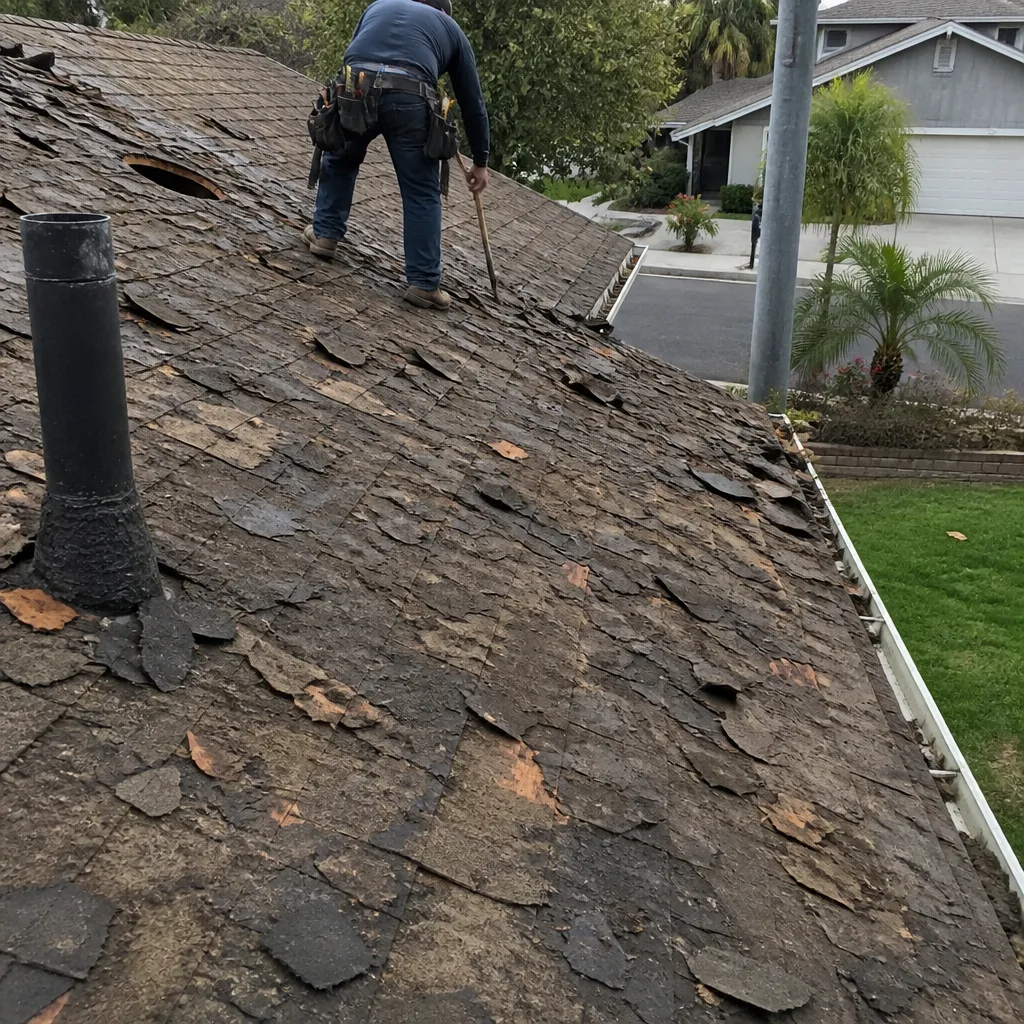 Before
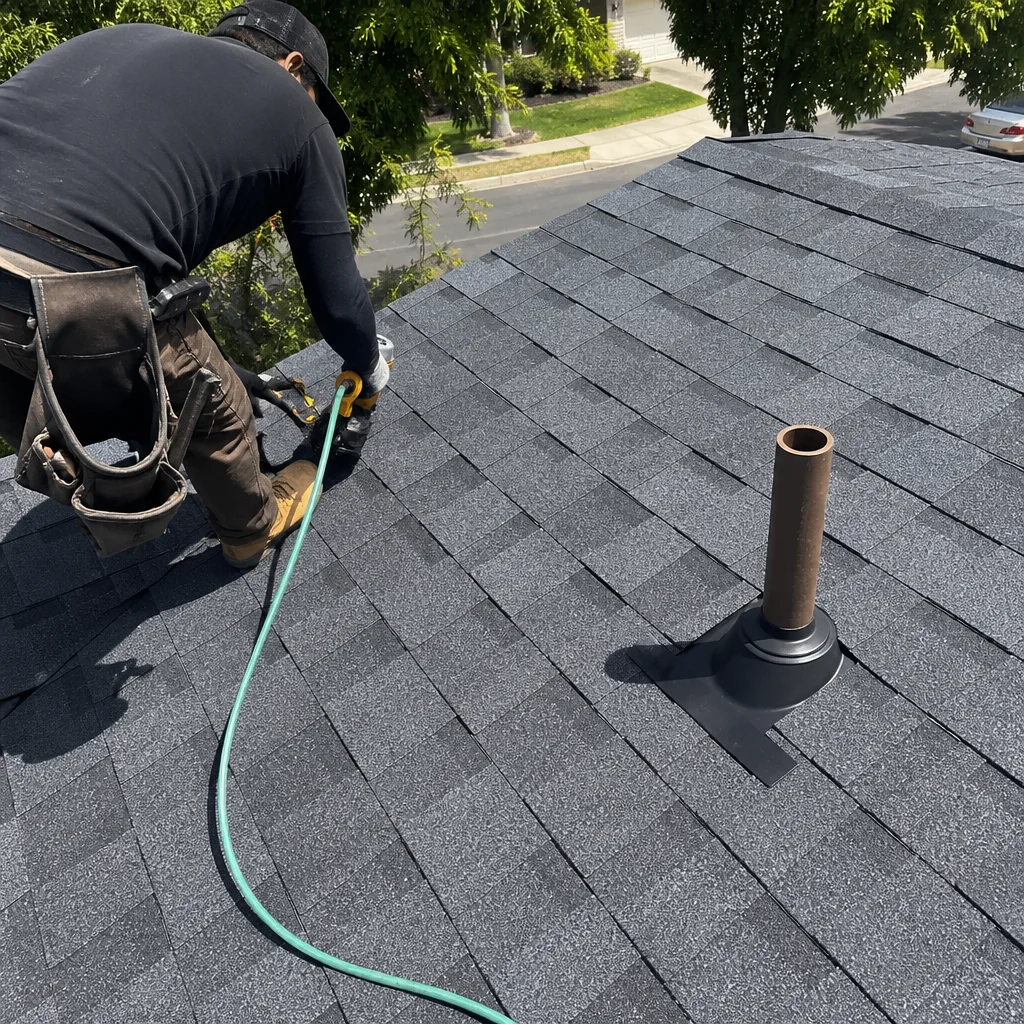 After
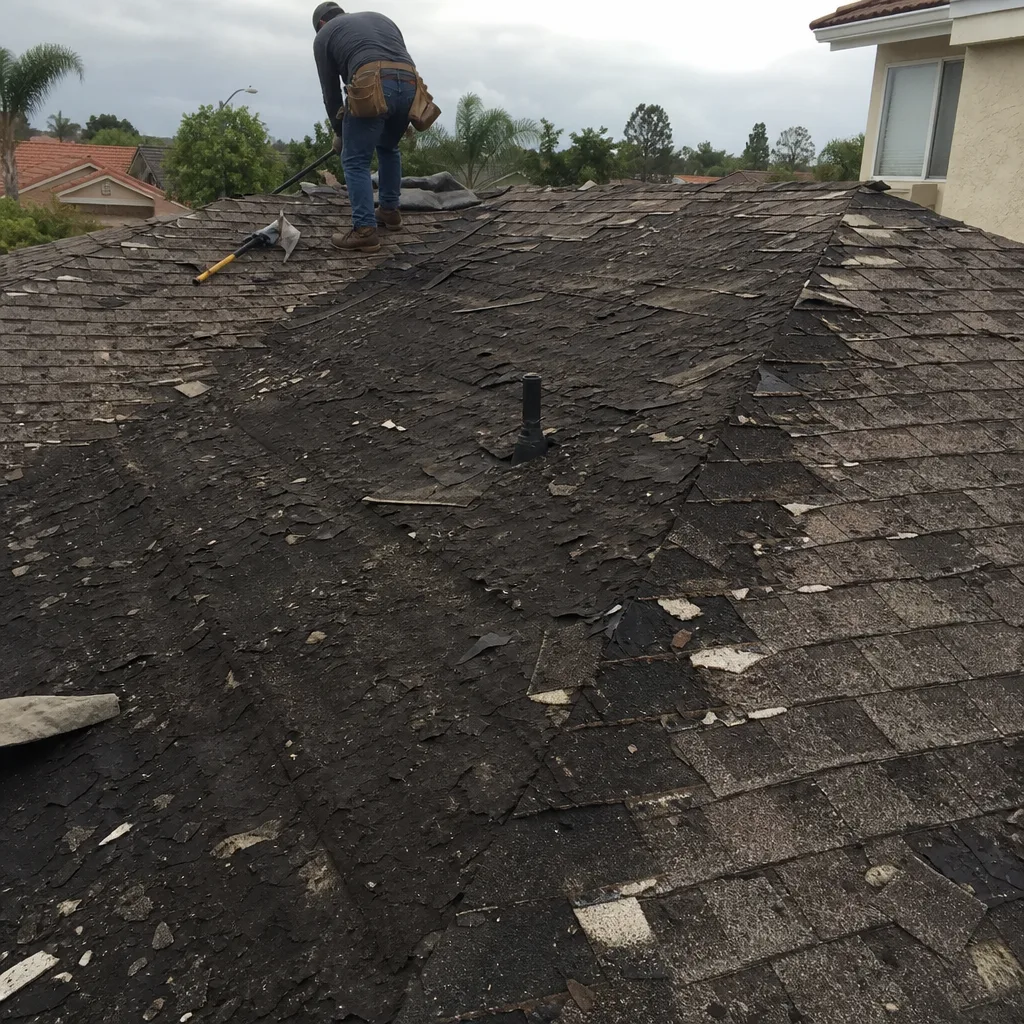 Before
 After
 Before
 After