
Last updated October 30, 2026
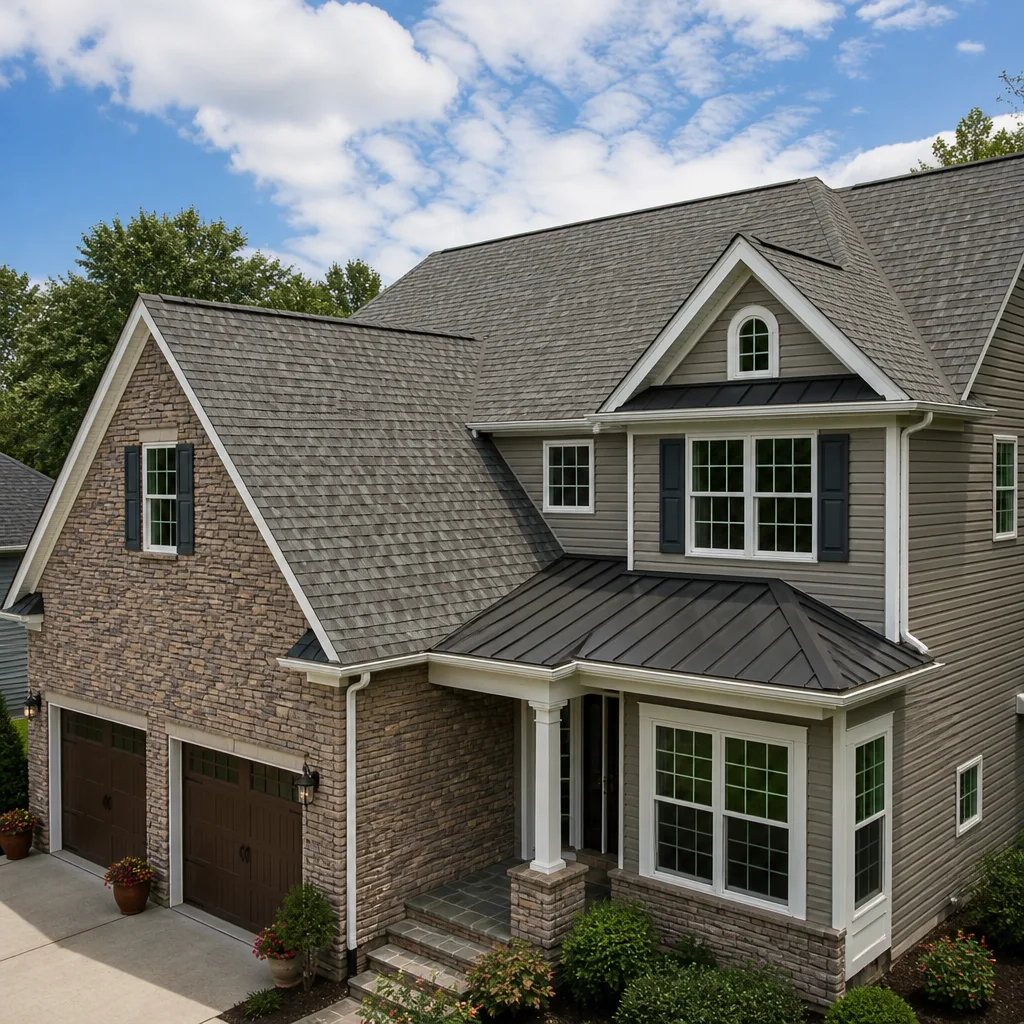 Architectural shingles
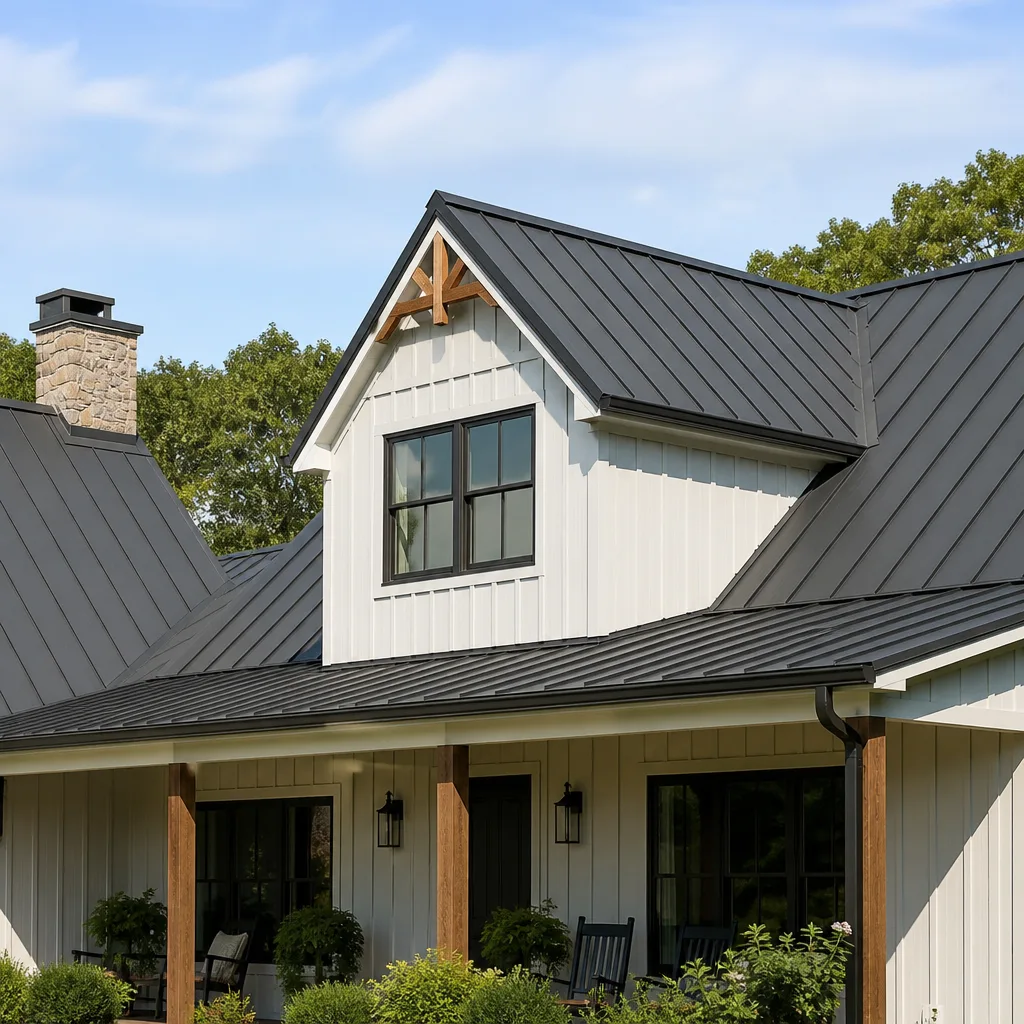 Metal roofing
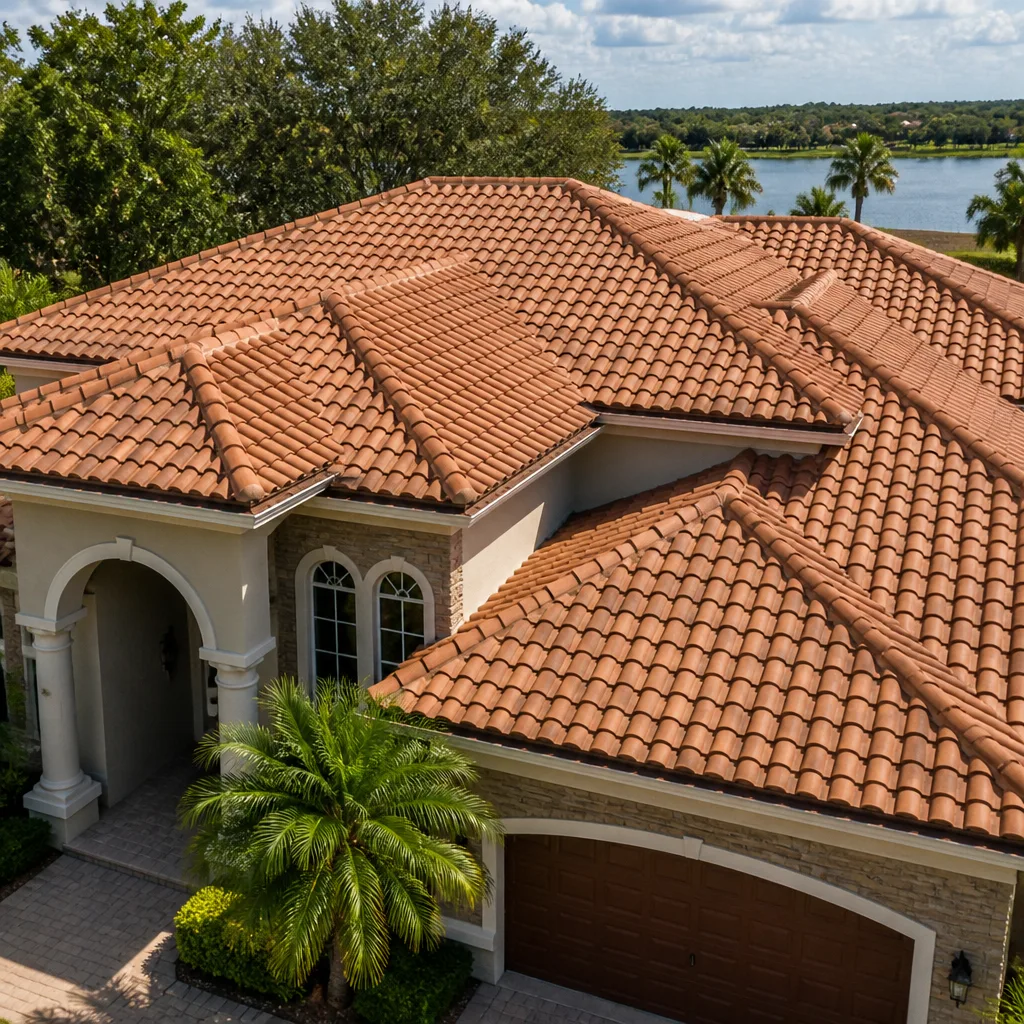 Tile roofing
 GAF
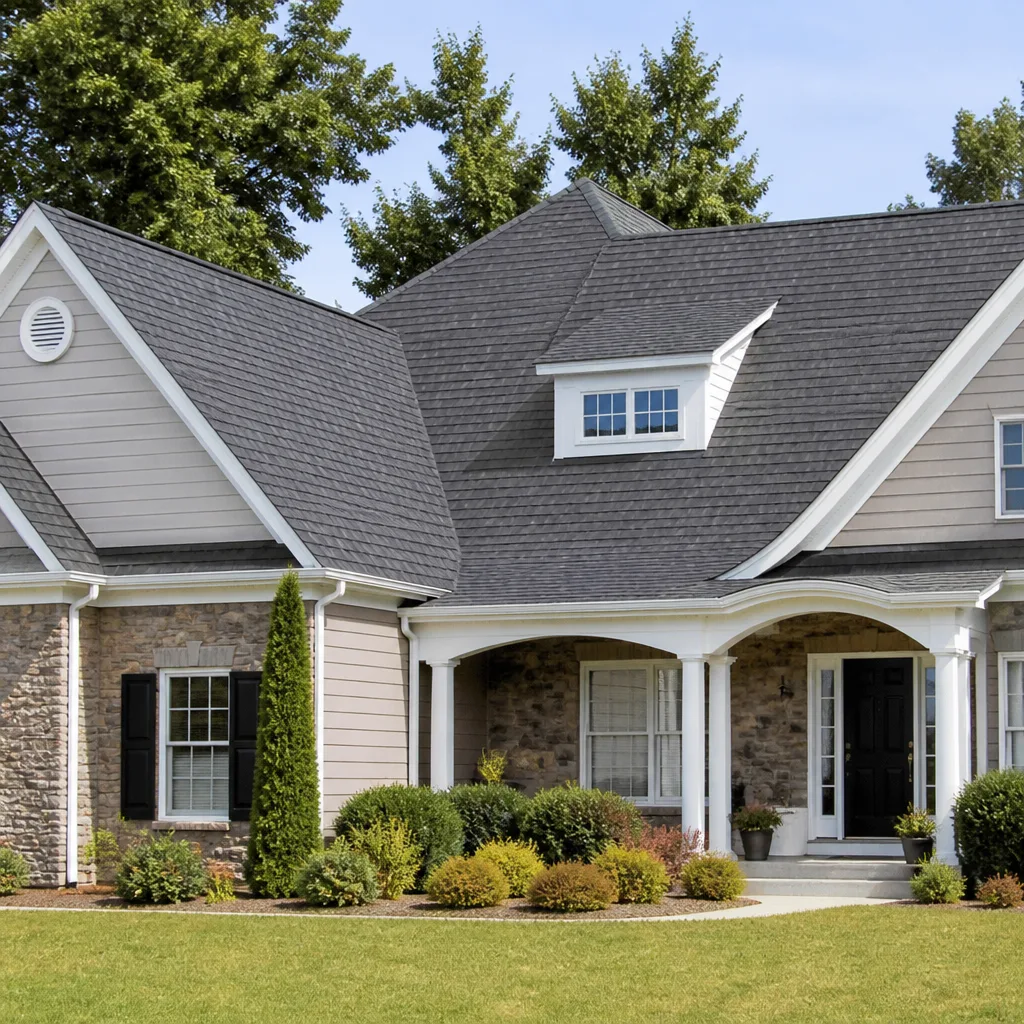 Owens Corning
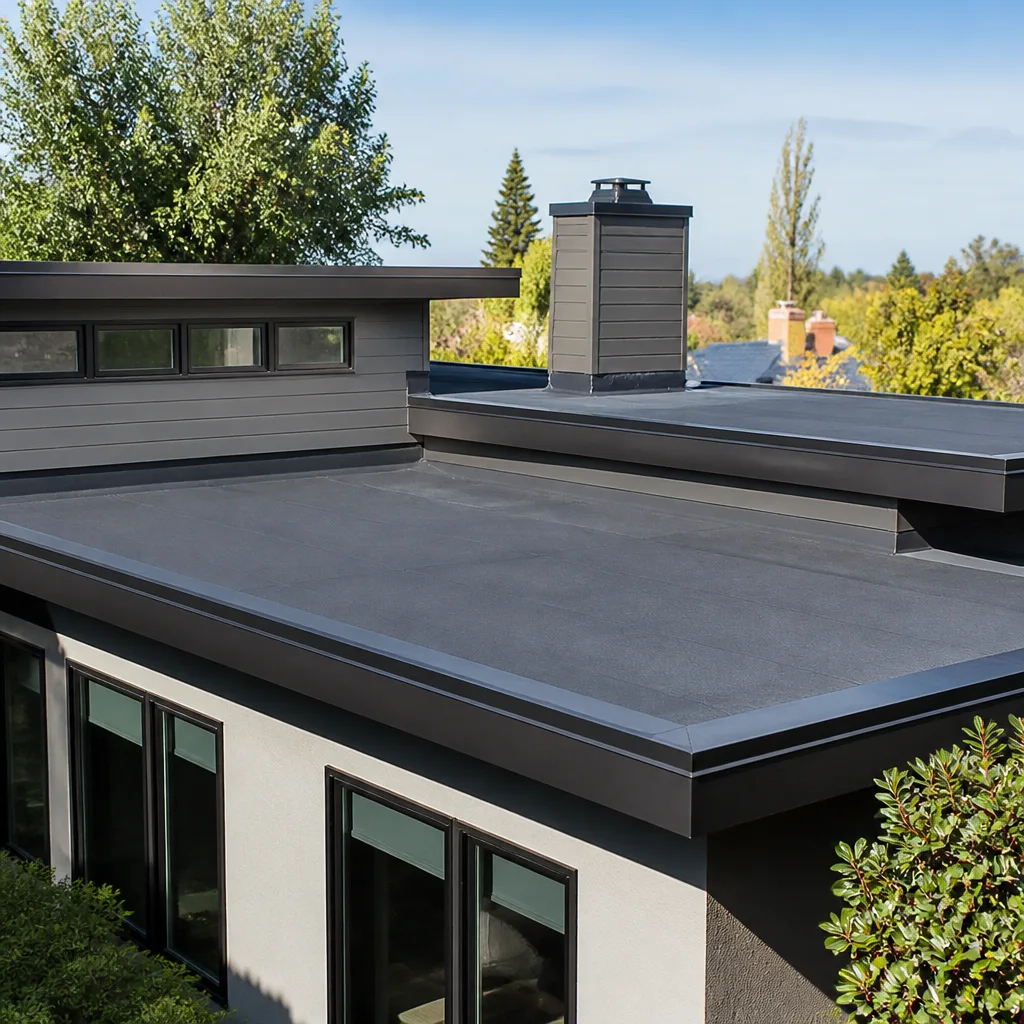 Flat & low-slope
Free roof inspection with deck photos before we talk money - GAF and Owens Corning certified installation
The Complete Roof Repair Guide for Mission Viejo Homeowners
Most roof repair guides are written for the Midwest. They assume your biggest enemy is ice damming, repeated freeze-thaw cycles, or a hailstorm in April. Mission Viejo homeowners following that advice are solving the wrong problems. At roughly 1,000 feet of elevation and a few miles inland from the coast, your roof endures a very specific combination of sustained UV exposure, marine layer moisture, and Santa Ana wind events that ages shingles in ways a rain-soaked Chicago roof never experiences. This Roof Repair guide maps those local failure modes to the repair decisions that actually work here. We’ll cover what fails first on Mission Viejo roofs, why it fails, what to do about it, and what it costs.
Quick Answer
Roof repair in Mission Viejo most commonly addresses UV-brittle shingles, wind-uplift damage at rake edges and ridge caps, and flashing failures around chimneys and skylights. A typical localized repair runs $350 to $850 depending on the material brand, scope, and roof accessibility. The most important local factor is material matching: repairing a GAF roof with an off-brand or misaligned shingle shortens the life of the entire roof system.
Styles & brands we work with
Table of Contents
- Why Mission Viejo Roofs Fail Differently
- Santa Ana Wind Damage: What It Actually Looks Like
- UV Brittleness: The First Failure Sign That Isn’t a Leak
- HOA Overlay Rules: What You Can Actually Repair
- Material Matching: Why the Brand on Your Roof Matters
- The Mission Viejo Roof Inspection Sequence
- Repair vs. Replacement: An Honest Guide
- What Roof Repair Costs in Mission Viejo
Why Mission Viejo Roofs Fail Differently
Mission Viejo sits in a peculiar climate zone. The marine layer rolls in most mornings from late spring through early fall, leaving a fine film of moisture on roof surfaces before the sun burns it off by mid-morning. Then the inland heat takes over, pushing daytime surface temperatures on a dark shingle roof well past 140 degrees. Nighttime brings rapid cooling. That daily thermal swing, combined with high UV exposure at this elevation, accelerates the degradation of asphalt shingle binders. The oils that keep shingles flexible cook off over time. The shingle doesn’t leak immediately. It becomes brittle first, then cracks, then leaks.
We explain this sequence because it changes the repair conversation. A Midwest roofer looks for water stains on the ceiling and calls it a day. A Mission Viejo roofer looks for granule loss, curling edges, and surface cracking because those are the warning signs that arrive years before the interior damage. In our experience, the majority of Mission Viejo roof repairs we perform are on roofs that have not yet leaked. The homeowner noticed something at the gutter line, or a neighbor mentioned a lifted shingle after a wind event, or a home inspection flagged surface wear. That’s the right time to act. Waiting for a leak means waiting until the underlying decking and underlayment have absorbed moisture, which doubles the repair scope.
The Briarwood Roof Repair home team has walked hundreds of Mission Viejo roofs, and the pattern is consistent from the Lake to Pacific Hills. The first genuine failure is almost never a leak. It’s material fatigue, and the repair is smaller and cheaper if you catch it at that stage.
Santa Ana Wind Damage: What It Actually Looks Like
Santa Ana winds arrive in the fall and winter, blowing offshore from the high desert toward the coast. In Mission Viejo, the geography channels these winds through the canyons and across ridge lines, creating localized gusts that can exceed 60 mph even when the weather station reports a calm day. The damage these winds cause on a roof looks different from the storm damage you see in hurricane-prone regions. There’s no missing section of shingles. No tree branch through the deck. What Santa Ana winds do is more subtle and more insidious: they lift the shingle tabs and loosen the nails, creating hairline separations that get worse with every subsequent wind event.
The two most vulnerable zones are the rake edges (the sloped edges of the roof perimeter) and the ridge cap (the shingles that run along the peak). Rake edges catch the wind first, and ridge caps sit at the highest lift point. After a Santa Ana event, walk your yard and look up. You’re not looking for shingles that blew away. You’re looking for shingles that are slightly out of plane, with a visible gap underneath. You’re looking for ridge cap shingles that have shifted or whose sealant strip has released. You’re looking for granule deposits in the gutter that weren’t there a month ago.
- Check the gutters first. Granule accumulation after a wind event signals shingle surface loss, even if nothing looks wrong from the ground.
- Walk the perimeter and look up at the rake edges. A lifted shingle tab creates a shadow line. In mid-morning light, it reads as a dark seam where one shouldn’t exist.
- Inspect the ridge cap from both sides. A lifted ridge shingle will show a gap at the seal line. If you can see the nail heads, the shingle is already partially released.
- Check the flashing at any penetration. Wind-driven rain enters through gaps at vents, chimneys, and skylights long before a shingle fails outright.
If you have an IKO or Atlas roof specifically, pay extra attention to the sealant strips. These two brands use slightly different adhesive formulations than the other major manufacturers, and the seal can release cleanly under repeated wind uplift without tearing the shingle. It looks like the roof is fine. It is not. The shingles are now mechanically loose and will eventually detach. The good news: material-matched repair for a lifted IKO or Atlas shingle is straightforward, and the fix is durable if the replacement shingle comes from the same brand family. Using a mismatched shingle works visually for a few months, then the sealant chemistry differs enough that the patch fails early.
Our Roof Repair in Mission Viejo service exists precisely for this scenario. We see more Santa Ana-related repairs in the three months after the first big wind event than we do during any other stretch of the year.
UV Brittleness: The First Failure Sign That Isn’t a Leak
Here’s the counterintuitive truth about Mission Viejo roofs: the first sign of age is not a water stain on the ceiling. It’s granule migration. Asphalt shingles are manufactured with a ceramic granule coating that reflects UV radiation and protects the asphalt underneath. When those granules start to shed, the asphalt is exposed. The asphalt then oxidizes, becomes brittle, and cracks. This entire process can take five to eight years from the first granule loss to the first leak. That’s a long window, and it’s a window most homeowners miss because they don’t know what to look for.
Granule migration shows up first in two places: the gutters and the downspouts. After a rain, you’ll see a fine black or gray sediment settled in the bottom of the gutter. That’s not dirt washing off the roof. That’s your shingles losing their protective coating. The second sign is surface color variation: patches of roof that look lighter or more exposed than surrounding areas, often on the western and southern slopes that get the most afternoon sun. Mission Viejo homes built in the 1990s and early 2000s are hitting this window right now. If your roof was installed during the building boom of that era, you’re likely seeing UV-related granular loss even if the roof looks structurally fine from the street.
Why does this matter for repair rather than replacement? Because a roof with moderate granule loss but no structural failure can often be repaired zone by zone, extending the roof’s life by several years without the cost of a full replacement. The caveat is that the repair material must match the remaining shingle’s wear profile. A brand-new shingle placed next to a fifteen-year-old shingle stands out visually and, more importantly, performs differently under thermal cycling. This is where brand-matched repair matters. Tamko and Boral have specific product lines with different granule densities and colors, and even within a single brand, manufacturing runs vary. A roofer who knows the material can source a replacement that blends both visually and mechanically.
We should be careful to note what UV brittleness is not. It is not a warranty issue in most cases. Manufacturer warranties cover manufacturing defects, not the gradual wear from sun exposure that any asphalt shingle experiences in this climate. It is also not an emergency. A roof that’s losing granules can wait a few weeks for a proper repair. A roof that’s actively leaking cannot.
HOA Overlay Rules: What You Can Actually Repair
Mission Viejo is one of the most comprehensively planned communities in Orange County. According to the City of Mission Viejo and the Mission Viejo Community Development Department, most residential neighborhoods fall under the jurisdiction of individual homeowners associations, with the city acting as the enforcing agency for the overall General Plan. What this means for roof repair: before you replace so much as a shingle course, you need to know what your HOA’s architectural guidelines say about roofing materials, colors, and repair scopes. Some Mission Viejo HOAs require approval for any repair that changes the roof’s appearance. Others only require approval for full replacements. Still others maintain a list of pre-approved shingle colors and brands, and if your repair doesn’t match the list, you’ll be asked to redo it.
The practical consequence is that material matching is not optional in Mission Viejo, it’s contractually mandatory. If your roof is Boral and the HOA has approved Boral’s specific colorway, a repair that introduces a visually different shingle can trigger a notice of violation. We’ve seen this happen. We’ve also seen the reverse: homeowners who proactively document their roofing brand and color early avoid weeks of approval delays later. If you don’t know what’s on your roof, look for the original building permit, check the paperwork from the previous owner, or have a roofer identify the brand on site. Briarwood’s team is certified across seven major brands precisely because Mission Viejo’s housing stock is mixed. One street can have GAF, Tamko, CertainTeed, and Boral homes all in a row, each with HOA-specific requirements.
- Find your HOA’s architectural guidelines. Most Mission Viejo associations post them online or provide them through the management company.
- Identify the brand and color of your existing shingles. The original packaging is ideal, but a competent roofer can identify the brand from the shingle’s manufacturing marks and the color from the existing surface.
- Submit the repair request with material specifications. Even if your HOA doesn’t require approval for small repairs, documentation protects you if the color later becomes a point of contention.
- Keep the approval on file. If you sell the home, a documented, HOA-approved roof repair is a selling point.
The city’s role is more limited, but it exists. Mission Viejo enforces California Building Code, including Title 24 energy requirements. A repair that changes the roof’s thermal properties, such as adding a radiant barrier or changing to a different shingle color with a different solar reflectance, may trigger a permit review. Most localized repairs don’t, but it’s worth asking your contractor before work begins. A roofer who pulls a permit when one is required is doing the job correctly. A roofer who skips it is exposing you to liability.
Material Matching: Why the Brand on Your Roof Matters
Here’s a position most roofers won’t take on the record: the single most important decision in a repair is not the price, it’s the material. A roof is an engineered system. The shingles, underlayment, flashing, and ventilation all work together, and they’re designed by the manufacturer as a coordinated unit. When you place a different brand’s shingle on an existing roof, you’re not just changing the appearance, you’re changing the mechanical behavior. Different brands use different asphalt formulations, different fiberglass mat densities, different granule sizes, and different sealant adhesives. Under thermal cycling, these materials expand and contract at different rates. The mismatched shingle either fails early at the sealant line or stresses the surrounding shingles, creating a slow-motion failure that spreads outward from the repair.
We work with seven manufacturers, GAF, CertainTeed, Owens Corning, IKO, Atlas, Tamko, and Boral, because Mission Viejo’s housing stock is that varied. The home’s original developer made a procurement decision thirty years ago, and every repair decision since then has inherited that choice. When we repair an Atlas roof, we use Atlas-matched materials and Atlas-specified installation methods. When we repair a Tamko roof, same principle. The result is a repair that behaves like the original roof, not like a patch. This is the “material-matched repairs” approach, and it’s the main reason our repairs hold up under Mission Viejo’s thermal cycling and wind events when generic patches fail.
Material matching also preserves warranty continuity. Most manufacturer warranties cover the shingle product itself for a specified term, but they do not cover damage caused by improper repair using non-compatible materials. If your roof has a remaining warranty and a mismatched patch causes a secondary failure, the manufacturer will deny the claim. It’s not a negotiation, it’s a written exclusion. Matching the material keeps your warranty intact. This matters more in Mission Viejo than it does in many other markets because the combination of UV exposure and Santa Ana winds tests the limits of the warranty period. A roof that might have failed at year 25 elsewhere can show fatigue at year 18 here.
If you don’t know your shingle brand, don’t guess. Have a roofer identify it. The manufacturing marks are visible on the back of a shingle, and any competent roof technician can identify all seven of the major brands we work with by sight. Once identified, write it down. Put it in the same file as your HOA approval and your insurance policy. You’ll need it for the next repair, the next inspection, and the eventual replacement.
The Mission Viejo Roof Inspection Sequence
A proper roof inspection in Mission Viejo doesn’t start on the roof. It starts at the curb, then moves to the yard, then to the roof surface, then inside the home. The sequence matters because each stage tells you what to look for in the next. If you skip ahead, you miss context. Here’s the order we use, and the order a homeowner can follow without any specialized equipment beyond a ladder, a pair of binoculars, and a flashlight.
- Street view. From the curb, look for roof planes that are no longer flat. Wavy decking, sagging between rafters, or a ridge line that isn’t straight all signal structural movement. This is the view that reveals the big picture before details distract you.
- Ground perimeter. Walk the house. Look for granule accumulation in the gutters, nail pops in the fascia, and any shingle pieces in the yard after a wind event. Those fragments are a diagnostic clue: they tell you where the wind got underneath the surface.
- Binocular sweep. From the ground, scan the roof with binoculars or a camera zoom. Look for lifted shingle tabs, exposed nail heads, visible underlayment at the edges, and any area where the shingle pattern is interrupted. Pay special attention to the south and west planes, which get the most Mission Viejo UV exposure.
- Penetration inspection. Chimneys, skylights, vents, and pipe boots are the most common leak points. The flashing around them is metal, and metal expands and contracts at a different rate than asphalt shingles. That differential movement eventually breaks the seal, and water follows gravity in. Check for cracked sealant, lifted flashing, and rust at the metal surface.
- Attic check. Inside the attic, look at the underside of the roof decking. Dark stains indicate past moisture. Active moisture feels damp to the touch. Also check the ventilation. Mission Viejo attics need proper airflow to manage the heat load, and a roof repair that ignores ventilation is incomplete.
We offer roof inspection as a standalone service for exactly this reason. An honest assessment should not be a sales appointment masquerading as a diagnostic. Our Roof Inspection in Mission Viejo page explains what a documented inspection includes and how to use the findings. If you’re not sure whether what you’re seeing is normal wear or the start of a problem, an inspection answers that question without pushing you toward work you don’t need.
Repair vs. Replacement: An Honest Guide
The hardest decision for a Mission Viejo homeowner is not which roofer to hire, it’s whether to DIY vs Professional Roofing: The Mission Viejo Homeowner’s Decision Guide repair or replace. Our position is straightforward: repair first, replace only when necessary. A focused repair is cheaper, faster, and less disruptive. It preserves the remaining life of the roof. It also honors the material already on the roof, which is often a better product than what’s available today at the same price point. But there are thresholds beyond which repair is no longer the honest recommendation.
Here’s the framework we use. A roof is a repair candidate if the damage is localized, if the remaining shingle surface still has measurable granule coverage, if the decking is sound, and if the underlayment has not been compromised. A localized wind event that lifts a dozen shingles at the rake edge? Repair. A worn area on the south-facing slope that’s losing granules but hasn’t cracked? Repair, with the understanding that the roof is entering its later years. A flashing failure around a skylight? Repair. These are all scenarios where the roof system is otherwise functional, and the repair restores it to service without pretending it’s new.
A roof is a replacement candidate when the damage is systemic. If granule loss is uniform across all slopes, the roof is at the end of its material life, and patching one area just means patching another next year. If the decking is soft in multiple locations, the structural substrate is failing, and no surface repair addresses that. If the shingles are cracking across the field, not just at the edges, the material is done. Mission Viejo’s climate is not kind to asphalt shingles. A roof that’s twenty years old here has seen sustained conditions that a roof in a milder climate would take thirty years to accumulate. Replacement becomes the honest recommendation when the cost of continued repairs over the next five years approaches the cost of replacing the roof once, correctly.
Our Roof Replacement in Mission Viejo guide covers the replacement decision in depth, including what full replacement costs and how to evaluate bids. But the short answer is this: if the damage is localized and the roof has years of serviceable life left, repair is the right call. If the damage is spreading and every month brings a new issue, replacement is the cheaper long-term option. We’ll tell you which one applies to your roof, and we’ll stand behind the recommendation.
What Roof Repair Costs in Mission Viejo
Mission Viejo roof repair pricing is affected by labor rates, material costs, and the complexity of the work. The following ranges reflect what we currently see in the local market for common repair types. These are not bids, but they’ll help you evaluate whether a quote is reasonable or inflated.
| Repair Type | Typical Range | Notes |
|---|---|---|
| Single shingle replacement (material-matched) | $250 – $450 | Cost varies by brand and roof pitch. Steep roofs cost more. |
| Rake edge or ridge cap repair (up to 10 linear feet) | $350 – $700 | Common Santa Ana wind repair. |
| Flashing repair (chimney, skylight, or vent) | $400 – $900 | Cost depends on the flashing type and accessibility. |
| Localized granule-loss repair (one roof plane) | $500 – $1,100 | Requires matching the remaining shingle’s wear profile. |
| Pipe boot replacement | $150 – $350 | Simple job, but material quality matters. |
| Full underlayment repair (one section) | $800 – $1,800 | Involves shingle removal and re-installation. |
These ranges assume standard roof access, moderate pitch, and a single-story home. Two-story roofs, steep pitches, and complex architectural features add labor cost. Mission Viejo’s Mediterranean and Spanish-style homes with tile accents around the eaves also add complexity, because the tile-to-shingle transitions require careful flashing detail that a generic roofer may overlook.
The most important cost variable is material matching. A repair that uses whatever the roofer has in the truck costs less upfront but fails earlier and can void the remaining manufacturer warranty. A material-matched repair costs more because the roofer sources the correct shingle, often special-ordered for color. Over the life of the roof, the matched repair is the cheaper choice. It’s the difference between fixing the problem once and fixing it twice.
Free estimates are standard in Mission Viejo roofing. Any reputable roofer will assess the roof, identify the brand, and provide a written line-item quote without charge. If a roofer refuses to provide a written quote or pressures you to make a same-day decision, that’s a signal to call someone else; see our How to Hire a Roofing Contractor in Mission Viejo: A Step-by-Step Guide for what to look for. Call (855) 707-6114 to request a repair assessment. We’ll tell you what’s wrong, what brand is on your roof, and what it costs to fix it correctly.
Common Mistakes to Avoid
- Ignoring granule loss because there’s no leak. Granule loss is the first sign of material failure. Every year you delay a simple repair moves the roof closer to replacement. In Mission Viejo’s UV-heavy climate, granule loss accelerates quickly once it begins.
- Letting a roofer use whatever shingle is on the truck. Brand mismatch voids the remaining warranty and creates a thermal-movement differential that stresses surrounding shingles. Always ask what brand and color is being installed and why it matches the existing roof.
- Waiting for a leak to act. By the time water penetrates the shingle layer, the underlayment and decking have already been handling moisture for months. Mission Viejo homes with older plywood decking are especially vulnerable to rot in the eaves and rake edges.
- Skipping the HOA check. Mission Viejo’s planned communities have architectural guidelines with specific material and color requirements. A repair that violates the guidelines can be rejected, and you’ll pay to redo it correctly. Check first.
- Using a general contractor for roofing work. Roofing has its own code requirements, its own material knowledge base, and its own failure modes. A handyman who “does roofs too” is not a roofer. Hire a roofing specialist who works across multiple brands and understands local conditions.
- Ignoring ventilation during a repair. A patch that covers a leak without addressing why the leak formed, which in Mission Viejo is often heat-related ventilation failure, is a short-term fix. Attic ventilation matters here more than in most climates.
See the difference
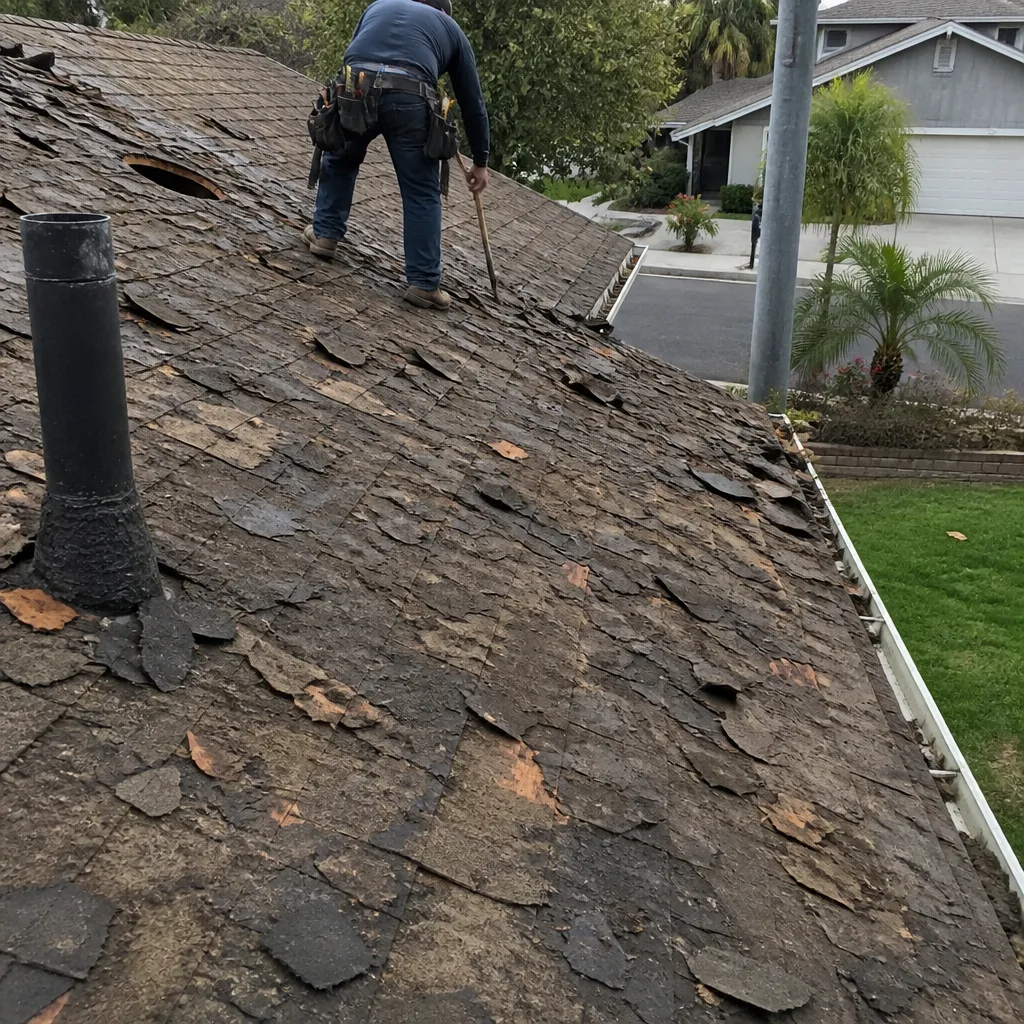 Before
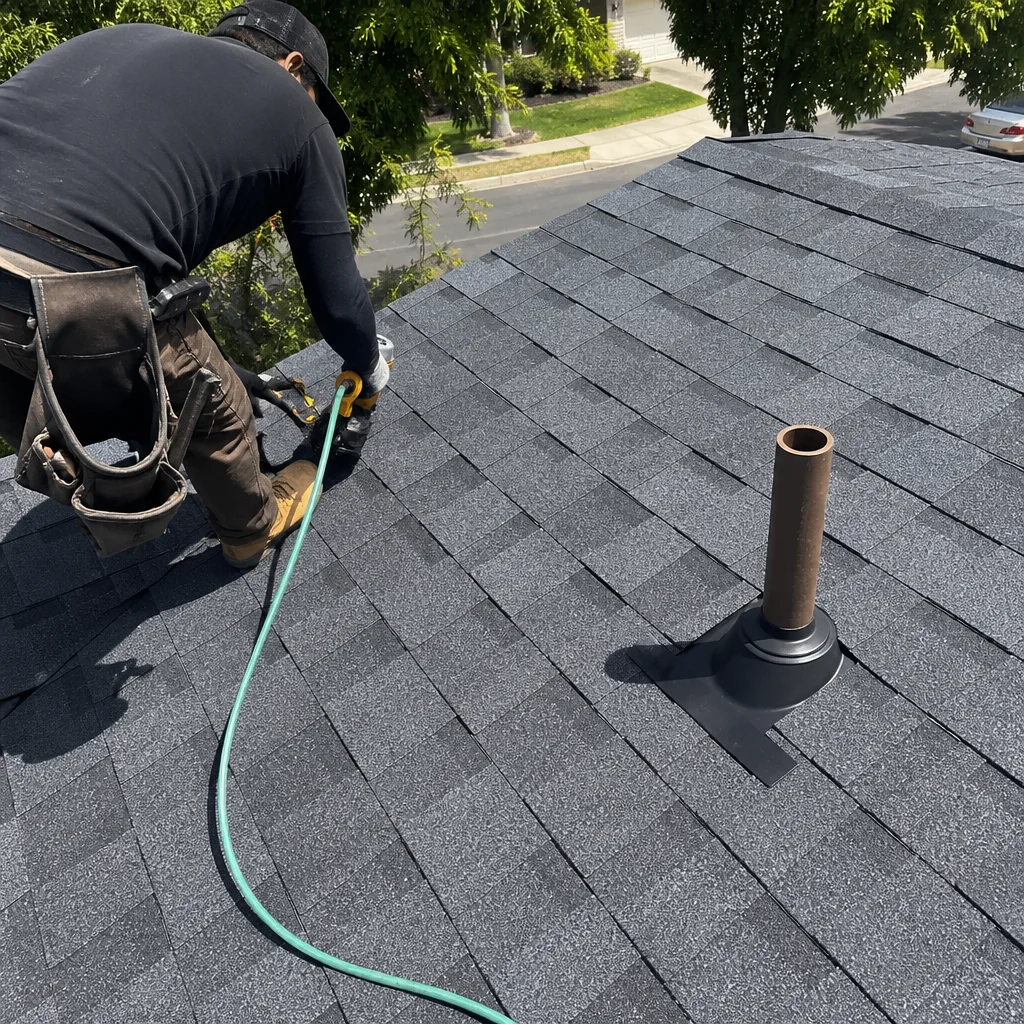 After
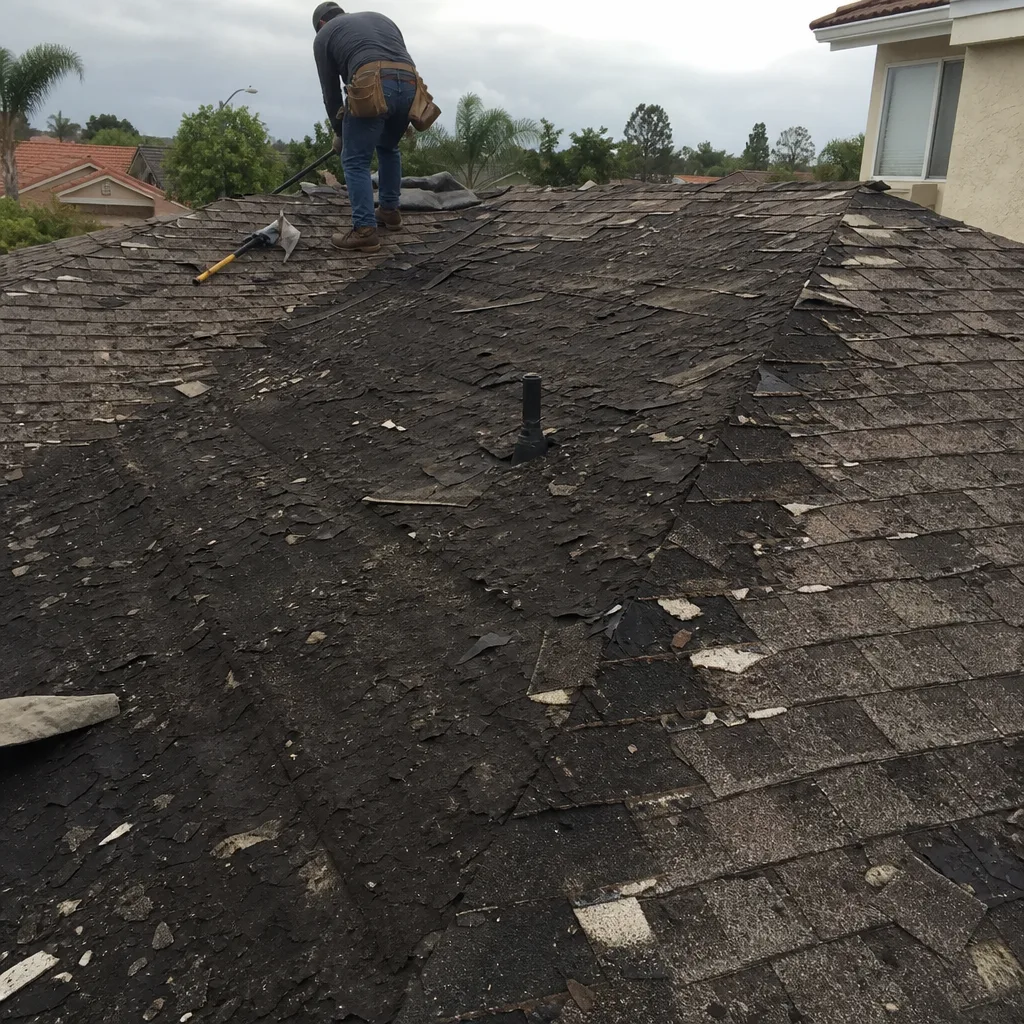 Before
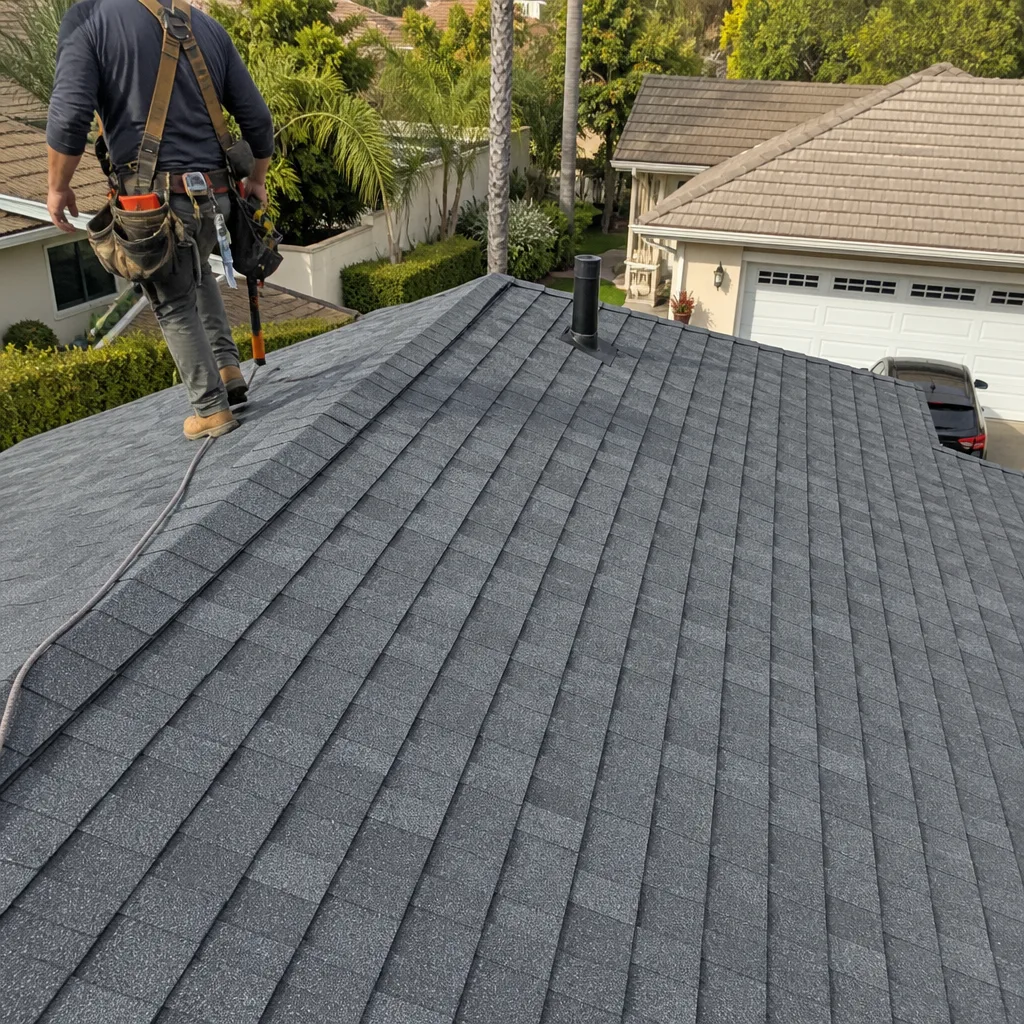 After
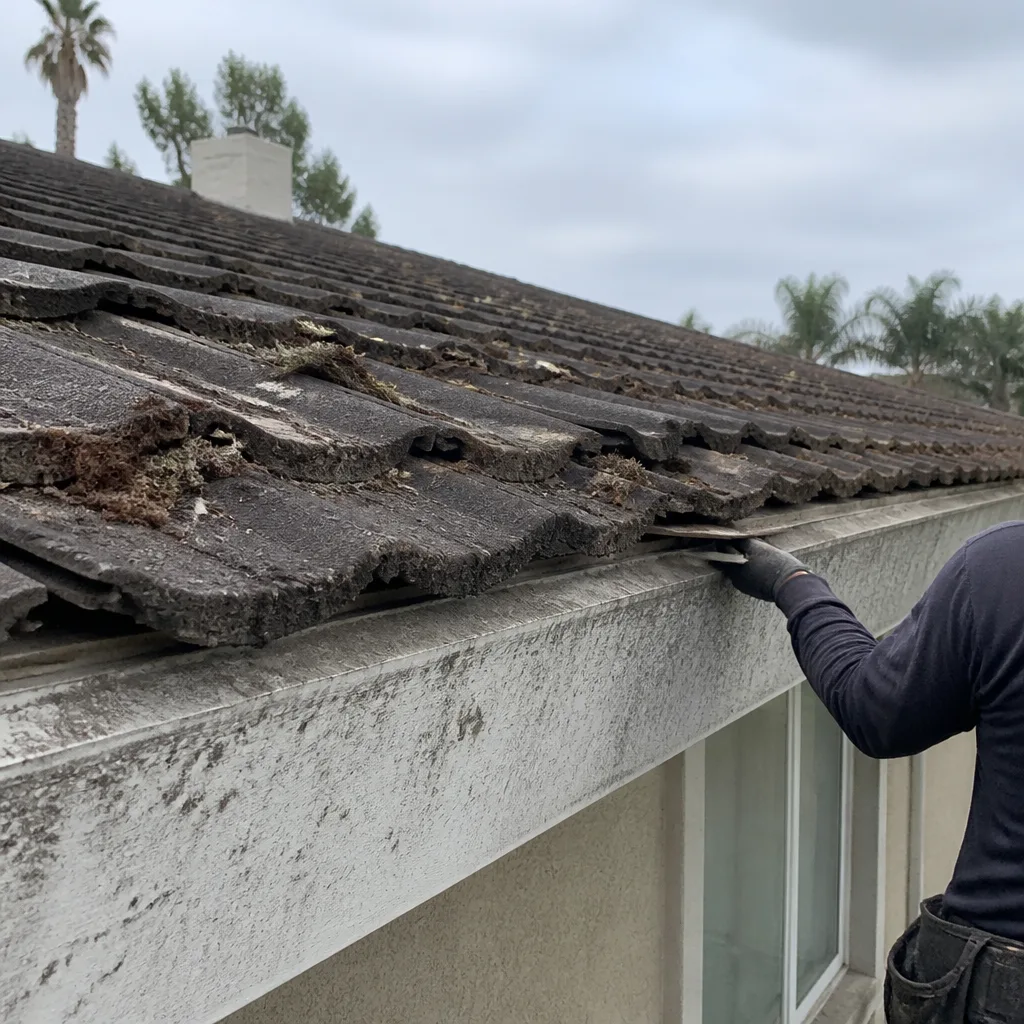 Before
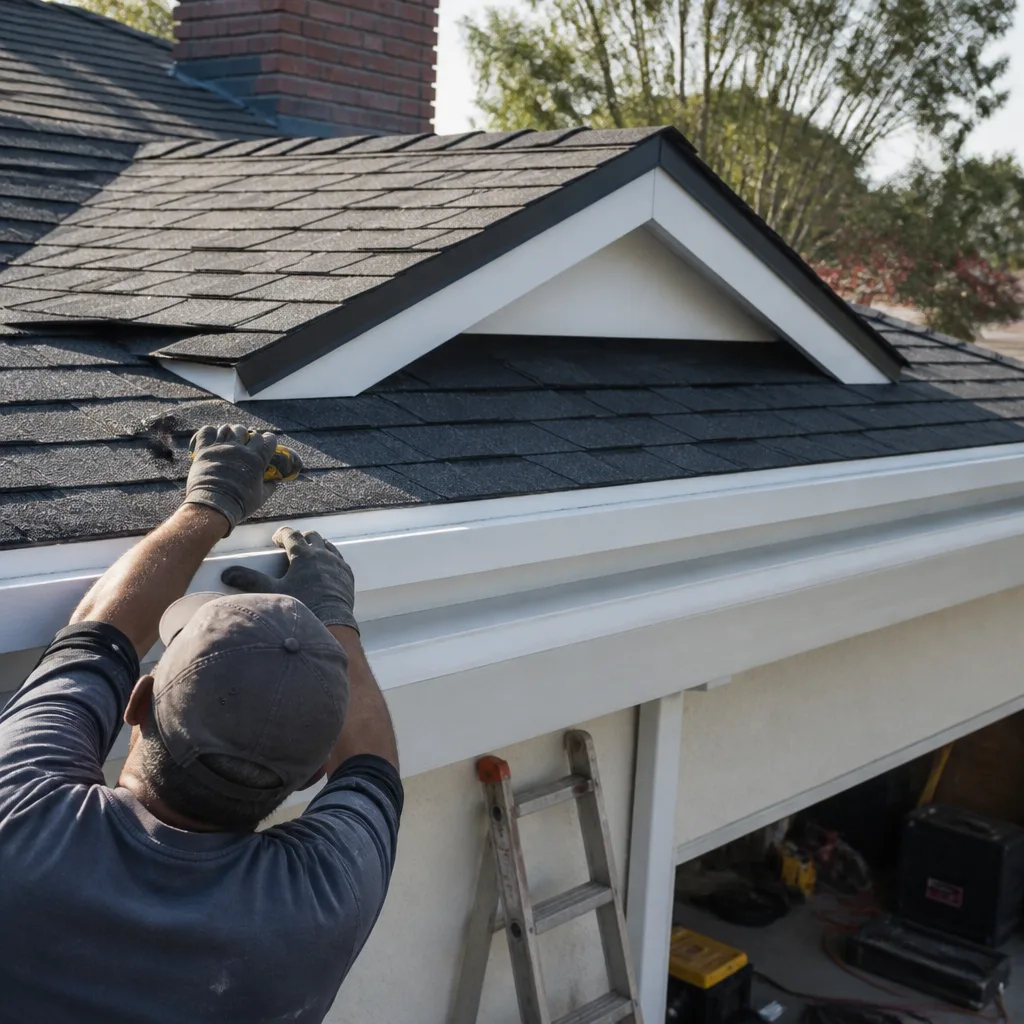 After
When to Call a Professional
Call a roofer when you see lifted or missing shingles after a Santa Ana event, when granule accumulation in the gutters is heavy enough to scoop up by hand, when any water stain appears on a ceiling, when the flashing around a chimney or skylight shows visible gaps or rust, or when a home inspection flags roof concerns. These are situations where the cost of further delay exceeds the cost of the repair. A roof that’s actively leaking needs prompt attention, but even a non-leaking roof with visible material fatigue benefits from a professional assessment before the problem compounds. Briarwood Roof Repair offers free estimates in Mission Viejo. Call (855) 707-6114 and we’ll identify the material, assess the damage, and give you an honest recommendation, which sometimes means telling you the roof is fine.
Frequently Asked Questions
Localized roof repair in Mission Viejo typically runs $350 to $850, with single shingle replacements starting around $250 and flashing repairs ranging from $400 to $900 depending on accessibility and material brand. The main variable is whether the repair requires material matching, which adds cost upfront but extends the repair’s life significantly. Call (855) 707-6114 for an exact quote – estimates are free.
It depends on your specific association’s architectural guidelines. Some Mission Viejo HOAs require approval for any exterior change, including shingle color or material, while others only require approval for full replacements. Check your HOA’s rules before scheduling work. We can help you document the existing brand and color for your submission.
Yes, we’re certified to work with seven major shingle brands, including GAF, CertainTeed, Owens Corning, IKO, Atlas, Tamko, and Boral. We identify the existing material and source a repair shingle from the same brand family, which preserves warranty continuity and ensures the repair behaves like the original roof under Mission Viejo’s thermal and wind conditions.
Look for the pattern. Localized lift at the rake edges or ridge cap, a single flashing failure, or granule loss on one roof plane all point to repair. Uniform granule loss, cracking across all slopes, or soft decking in multiple locations points to replacement. A professional inspection will give you a documented answer. If you’re in the gray zone, we lean toward repair first, replace only when necessary.
Usually yes, if the damage is acute and documented. Insurance policies typically cover wind damage as a named peril, but the claim process requires evidence that the damage occurred in a specific event, not from gradual wear. If you suspect Santa Ana damage, document it with photos and contact your insurer promptly. A roofer familiar with Mission Viejo wind patterns can provide the assessment your adjuster will need.
Given the UV load, marine layer moisture, and Santa Ana wind events we experience here, an inspection every two to three years is a reasonable baseline. If your roof is over fifteen years old, annual inspections catch granule loss and wind lift early, when repairs are cheap. We offer roof inspection as a standalone service so you get an honest assessment without pressure to replace.
The Bottom Line
Mission Viejo roofs fail in a specific sequence: UV brittleness first, then surface cracking, then wind damage at the edges, then finally leaks. The repair window is longest at the start of that sequence and shortest at the end. The most useful thing you can do as a Mission Viejo homeowner is learn to read your roof’s early warning signs, granule loss in the gutters, lifted shingles after Santa Ana events, dark seams at the rake edges. The second most useful thing is to insist on material-matched repairs, using the brand already on your roof. A repair is only as good as the material and the installer behind it, and in this climate, the wrong material fails quickly. We work with seven brands, one team, because your roof is what it is, and our job is to fix it correctly, not to sell you something else.
Written by the team at Briarwood Roof Repair, serving Mission Viejo since 2014.