Last updated October 30, 2026
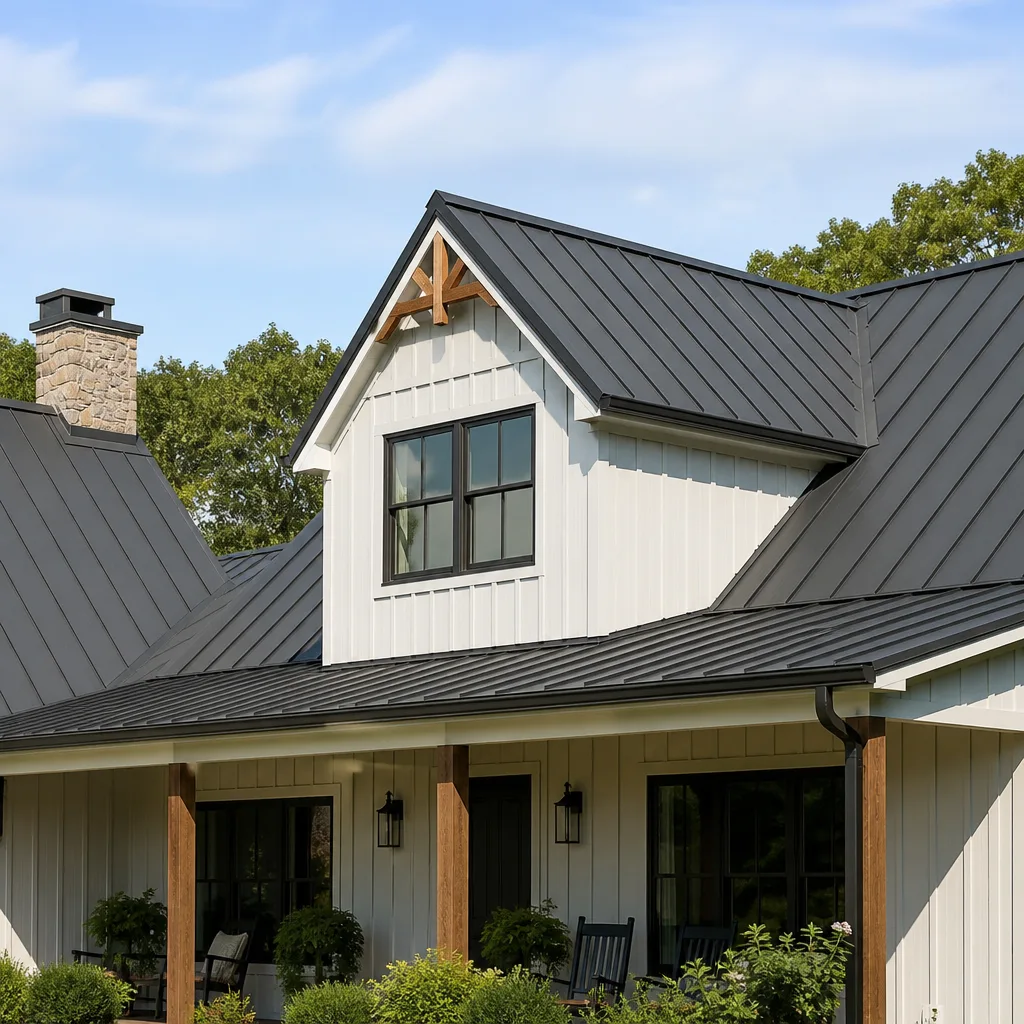 Metal roofing
 Architectural shingles
 Tile roofing
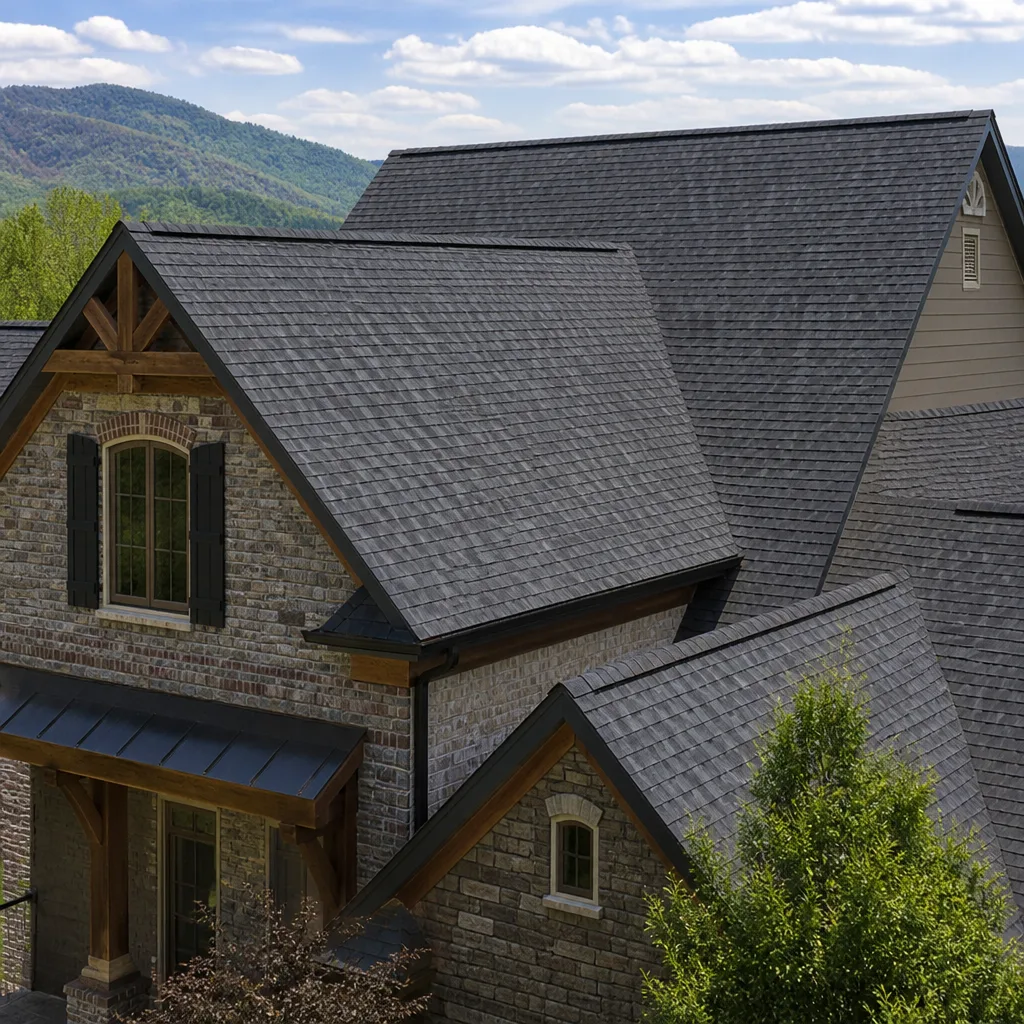 GAF
 Owens Corning
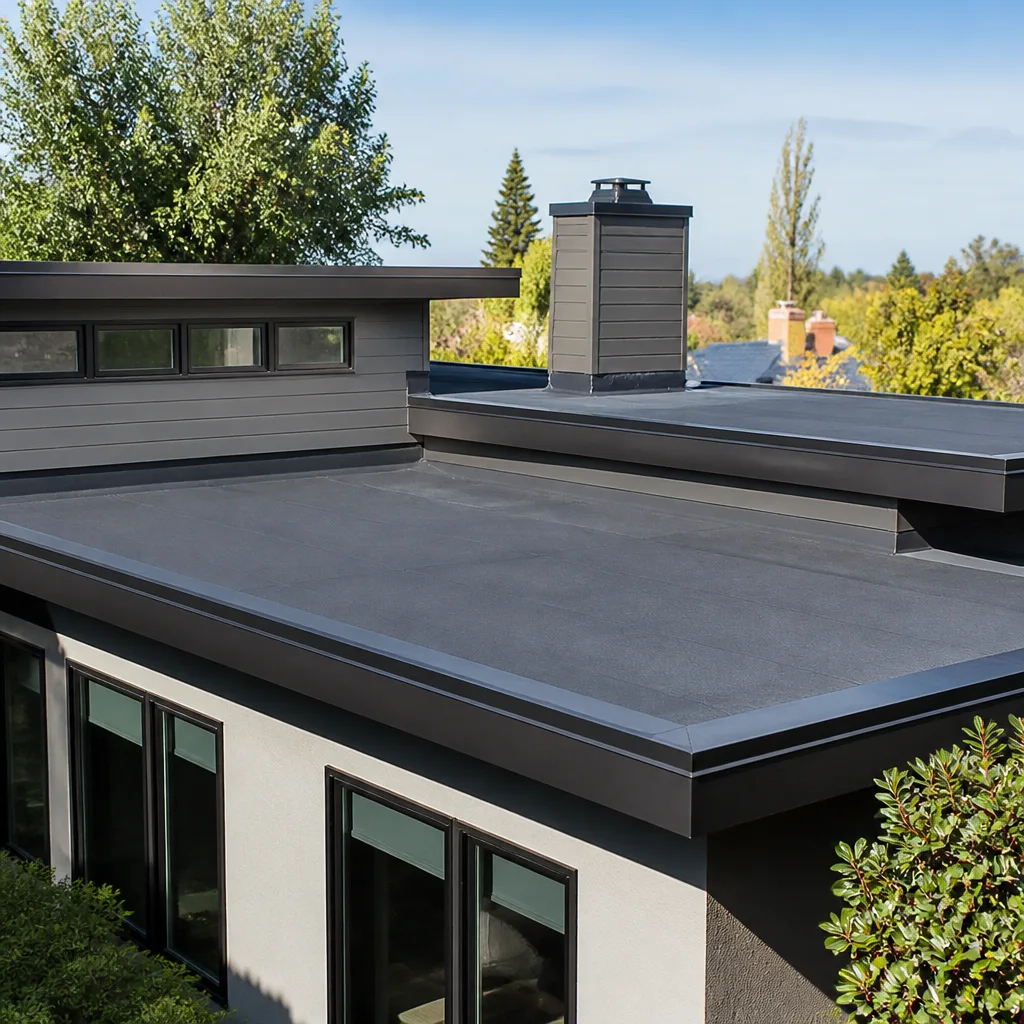 Flat & low-slope
Free roof inspection with deck photos before we talk money - GAF and Owens Corning certified installation
How to Hire a Roofing Contractor in Mission Viejo: A Step-by-Step Guide
After a Santa Ana wind event, unlicensed storm chasers from outside the area typically canvass South Orange County neighborhoods within 48 hours, and three of the five red flags that identify them have nothing to do with their license number. Mission Viejo homeowners get hit particularly hard because our tile roofs, aging composition shingle tracts, and hillside exposures create a perfect target for drive-by “inspectors” with a ladder and a clipboard. This guide walks you through the exact sequence: how to verify credentials, how to spot a material-locked contractor before they quote, how to read a contract’s warranty language, and how to structure your bid process so you get an honest roof assessment instead of a sales funnel. By the time you finish reading, you’ll know more about vetting a roofer than most contractors expect a homeowner to know.
Styles & brands we work with
Quick Answer
To hire a roofing contractor in Mission Viejo, verify their CSLB license is active with a C-39 classification, confirm they carry both general liability and workers’ compensation insurance, request at least three written bids that include identical scope-of-work line items, ask direct questions about which specific brand of material each bid specifies and why, and get the inspection report before soliciting quotes so you control the scope of work rather than each contractor defining it for themselves. A legitimate contractor will welcome all of these steps, and the process should take about two weeks from first call to signed contract.
Table of Contents
- How to Verify a CSLB License in Under Two Minutes (and What B vs. C-39 Actually Means for Roofing)
- The Five Questions That Expose a Material-Locked Contractor
- Why You Need the Inspection Report Before You Solicit Bids
- The Correct Sequence for Soliciting Bids in Mission Viejo
- What a Legitimate Mission Viejo Roofing Quote Must Include
- The Three Line Items That Disappear in Low-Ball Bids (and Reappear as Change Orders)
- How to Read a Roofing Contract’s Warranty Language
- Common Mistakes to Avoid
- When to Call a Professional
- Frequently Asked Questions
- The Bottom Line
How to Verify a CSLB License in Under Two Minutes (and What B vs. C-39 Actually Means for Roofing)
Here’s the fastest path to a license check: go to the Contractors State License Board website, click “Check a License,” and enter either the contractor’s name or license number. The screen that comes up tells you whether the license is active, when it expires, whether the contractor carries workers’ compensation insurance, and whether there are any active suspensions or legal actions. Do this before you let anyone climb onto your Mission Viejo roof, because an unlicensed operator who gets hurt on your property can create a liability nightmare for you as the homeowner.
Now the part most guides skip: what the license classification actually means. In California, a general building contractor holds a Class B license, which allows them to frame, build, and coordinate multiple trades on a project. A roofing contractor holds a C-39 specialty license, which means roofing is the only trade they’re legally permitted to perform. For a straightforward roof repair in Mission Viejo, either classification can work, but for a full roof replacement in Mission Viejo, you want someone who holds a C-39 and does roofing work every single day, not a generalist who frames additions nine months out of the year and does roofs when the work slows down.
Here’s what to check on the CSLB screen:
- License status: It must say “Active,” not “Expired,” “Suspended,” or “Inactive.”
- Workers’ compensation: If the contractor has employees, this box should read “Yes.” A “No” with employees on site means you could be liable if someone gets hurt.
- Business address: A P.O. box with no physical address is worth a second look. Out-of-area storm chasers often rent a mailbox for thirty days and disappear.
- License issue date: A brand-new license isn’t automatically a problem, but combined with other red flags, it suggests the contractor may lack the track record they’re claiming.
In Mission Viejo specifically, we also recommend checking whether the contractor’s business address is actually in Orange County or a neighboring county. There are reputable contractors who serve the area from Riverside or San Bernardino, but if a company’s only local presence is a cell phone and a magnetic sign on a truck door, that’s a pattern worth questioning.
The Five Questions That Expose a Material-Locked Contractor
Here’s the hiring mistake Mission Viejo homeowners make more than any other: they skip references, but they hire a contractor whose entire business model depends on one manufacturer’s rebate program. That contractor will steer you toward their brand whether or not it’s the right product for your roof, your budget, or your home’s resale profile. The good news is that material-locked contractors reveal themselves within about five questions.
Ask these five questions in your first conversation, before any quote is written:
- “Which brand do you recommend, and what specifically about my roof makes that the right choice?” A material-locked contractor answers with the brand name first and the reasoning second, usually something vague like “it’s the best on the market.” A material-agnostic contractor starts with what they observed about your roof: the current material, the slope, the sun exposure, the existing underlayment. We work with GAF, CertainTeed, Owens Corning, IKO, Atlas, Tamko, and Boral, so our answer always begins with what your specific Mission Viejo roof needs, not what our supplier has in surplus.
- “If I wanted a different brand than the one you quoted, would you still install it?” A contractor locked into one manufacturer will deflect this question or explain why their brand is the only sensible choice. A contractor fluent across multiple brands will say yes and adjust the quote. This question alone filters out a huge percentage of single-brand operations.
- “What’s the warranty difference between the brand you’re recommending and its two closest competitors?” Material-locked contractors often can’t answer this with specifics because they’ve never read the competitive warranty documents. If you hear vague phrasing instead of actual coverage terms and durations, that’s your signal.
- “Does your recommendation change if I tell you we’re selling the house in three years versus staying for twenty?” An honest contractor will adjust the recommendation based on your timeline. A material-locked contractor will pitch the same product either way, because the rebate program doesn’t care about your resale plans.
- “Which of the seven major shingle brands do you work with, and which ones do you hold certifications for?” A contractor who can only name one brand is telling you their business model in a single sentence. A contractor who can work with Boral, GAF, CertainTeed, and Owens Corning, for example, has invested in multi-brand knowledge, which means their recommendation is driven by your roof’s needs rather than a single-brand sales agenda.
In our experience, these five questions take about ten minutes to ask and save homeowners thousands of dollars in misapplied materials. A roof that gets the wrong product for its sun exposure or slope fails years early, and the contractor is long gone by the time the problems appear.
Why You Need the Inspection Report Before You Solicit Bids
The single most valuable structural change you can make to your hiring process is this: get the inspection report first, then invite contractors to quote against that specific scope of work. Most Mission Viejo homeowners do it backward. They call three contractors, each contractor performs their own “free inspection,” and each contractor defines the scope of work based on what they personally want to sell you. The contractor who wants to sell replacements sees replacement-level damage everywhere. The contractor who wants to sell repairs sees repair-level damage everywhere. You end up comparing three quotes that describe three entirely different projects, and you have no neutral baseline to evaluate them against.
A standalone roof inspection in Mission Viejo changes the entire dynamic. You pay a small fee for an independent assessment, and that report becomes the specification document every contractor bids against. The document says: these are the damaged tiles, this is the condition of the underlayment, this is the remaining lifespan of the flashing. Every bidder quotes the same scope, and now you can actually compare line items apples to apples.
Here’s the correct sequence:
- Choose an inspector who does not also sell roofing work. This is the critical distinction. A roof inspection that’s actually an inspection comes from someone whose revenue does not depend on what the inspection finds.
- Get the written report with photos and specific locations. A verbal “looks like you need some work up there” is worthless. You need documentation.
- Use the report as the bid specification. Every contractor you invite to quote receives the same document and bids against the same scope.
- Compare line items, not bottom-line numbers. When everyone bids the same scope, differences in price reveal differences in labor quality, material quality, or overhead, not differences in what work was planned.
This sequence feels slower at first, but it’s actually faster overall, because it eliminates the back-and-forth where contractors redefine the project to match their preferences. One Mission Viejo homeowner we worked with had received three quotes that ranged from $4,200 to $18,000 for what turned out to be, after an independent inspection, a $6,500 repair project. The spread existed because each contractor had scoped entirely different work.
The Correct Sequence for Soliciting Bids in Mission Viejo
Once you have the inspection report in hand, the bid solicitation process becomes straightforward and fast. Here’s the step-by-step sequence we recommend, including the timing that works best in Mission Viejo’s climate.
- Wait for a dry stretch of weather. Mission Viejo gets most of its rain between November and March, and while roofing work happens year-round, scheduling is easier and inspections are more accurate during the dry months. If you’re in May through October, you’re in the ideal window.
- Identify three to five contractors. Use the CSLB license check from the section above, and prioritize contractors who are local to South Orange County. A contractor based in Mission Viejo, Lake Forest, or Laguna Niguel will be familiar with our local code requirements and the specific wind exposure concerns that come with hillside and canyon-adjacent lots.
- Send each contractor the identical inspection report. The email should say: “Here is the inspection report. Please provide a written, line-item bid against this scope of work.” This single sentence prevents most of the scope creep that derails the quoting process.
- Schedule the contractor’s site visit. Even with the inspection report in hand, every legitimate contractor will want to see the roof themselves. This is a good sign, not a problem. They need to verify measurements and access conditions.
- Ask each contractor the five material-lock questions from the section above. This is the moment where material-agnostic expertise separates from brand-locked sales.
- Collect written bids with matching line items. If one bid is missing a line item that appears on the other two, ask why. The answer is usually either “we included it in another category” (fine) or “we didn’t plan to do that work” (a problem).
- Compare, then decide. Lowest bid is not the goal. The goal is the bid that most closely matches the inspection report’s scope with the clearest line items and the most direct answers to your questions.
This entire process, from license checks to signed contract, typically takes about two weeks when everyone is responsive. Mission Viejo homeowners who skip steps end up with a signed contract they don’t fully understand, and the change orders follow within the first week of work.
What a Legitimate Mission Viejo Roofing Quote Must Include
A legitimate roofing quote is a document, not a number. If a contractor in Mission Viejo hands you a single figure with no supporting detail, you’re not looking at a quote, you’re looking at a starting point for negotiation. Here’s what a complete written quote includes, and why each element matters.
- Full scope of work with specific material brands and product lines. The quote should name the exact product, not just “architectural shingle.” “GAF Timberline HDZ” or “CertainTeed Landmark” tells you precisely what you’re paying for. If the quote doesn’t name the material, the contractor can substitute a cheaper product and bank the difference.
- Tear-off and disposal line item. If you’re getting a full replacement, the old roof has to come off and go somewhere. This line covers labor, dump fees, and site cleanup. Low-ball bids “forget” this line and then invoice it separately after the old roof is already in the dumpster.
- Underlayment type and specification. The underlayment is what protects your home if water gets past the outer surface, and the difference between basic felt, synthetic, and high-performance underlayment is significant. The quote should name the specific product.
- Flashing scope, including replacement of existing flashing. Flashing is where most roofs eventually fail, and you want it replaced, not reused. The quote should specify which flashing gets replaced: chimney, skylight, valley, wall transitions, pipe boots.
- Ventilation detail. Mission Viejo summers push attic temperatures high, and ventilation affects shingle lifespan. The quote should address intake and exhaust ventilation and note whether existing vents are adequate.
- Timeline with start and completion estimates. A legitimate contractor gives you a window, not a shrug. “We’ll start sometime next month” is not a project plan.
- Payment schedule tied to milestones. The California standard is a 10% deposit or $1,000, whichever is less, with progress payments tied to completed work phases. Be wary of any contractor asking for 50% upfront.
- Warranty language separated by workmanship and manufacturer. This deserves its own section below, because warranty language is where the most expensive misunderstandings hide.
When you’re evaluating a roof replacement in Mission Viejo, insist on every element above. When it’s a repair, the scope is smaller but the same principles apply: named materials, named flashing, named underlayment, specific warranty terms.
The Three Line Items That Disappear in Low-Ball Bids (and Reappear as Change Orders)
The most common way a low-ball bid wins the job and then becomes the most expensive option is through strategic omissions. Three line items in particular vanish from cheap quotes, then reappear as change orders once your old roof is stripped and you have no leverage. A change order is a written revision to the contract that adds cost, and once your home is exposed to the elements, you’ll sign almost anything to get the new roof installed quickly.
1. Tear-off and disposal. This line item covers removing the existing roof, hauling it away, and paying the landfill fees. On a typical Mission Viejo home, this runs into the thousands when the old material is tile or multiple layers of shingles. A low-ball quote that omits this line will “discover” the need for it on day one, when the old roof is already being removed and the dumpster is already ordered. You will pay it, and the bid will no longer be low.
2. Decking replacement. The decking is the plywood or OSB layer under your underlayment. Before the old roof comes off, no one can see the full condition of the decking, but an experienced contractor includes a per-sheet allowance in the quote: “Decking replacement if needed, $85 per 4×8 sheet, quantity to be determined after tear-off.” A low-ball quote simply omits this line entirely, then on day two you learn that 40 sheets need replacing and the cost is added as a change order. The difference between a per-sheet allowance and an omitted line is the difference between an honest bid and a trap.
3. Permit fees and inspections. Mission Viejo requires roofing permits for replacement work, and the permit triggers city inspections. The permit fee is not expensive, but it’s a real line item, and a quote that omits it is a quote that isn’t planning to pull the permit. Unpermitted roofing work can become a problem when you sell the home, when your insurance company reviews the property, or when the work fails and you discover there’s no inspection record. A legitimate quote includes the permit fee and the inspection as explicit line items.
Before you sign any roofing contract in Mission Viejo, ask this question directly: “If the final cost is higher than this quote, what specifically would cause that?” Listen for the three items above. If the contractor says “nothing, the price is fixed,” then ask why the quote doesn’t mention tear-off, decking, or permits. The answer will tell you everything you need to know.
How to Read a Roofing Contract’s Warranty Language
Roofing warranties confuse Mission Viejo homeowners because there are actually two separate warranties in play, and they cover completely different things. Understanding the difference before you sign prevents a nasty surprise when something fails years later.
The manufacturer warranty covers the roofing material itself. When you buy a GAF, CertainTeed, Owens Corning, or Boral product, the manufacturer guarantees the material against defects for a stated period, typically 25, 30, or 50 years depending on the product line. This warranty is prorated in most cases, meaning the coverage decreases over time, and it only applies if the material was installed according to that manufacturer’s specifications. This is where brand-matched installation matters, because a contractor who doesn’t follow the manufacturer’s installation guidelines can void the manufacturer warranty without you ever knowing until you file a claim.
The workmanship warranty covers the contractor’s installation labor. If the roof leaks because of an installation error, the material is fine but the labor failed, and the manufacturer warranty doesn’t cover it. Only the contractor’s workmanship warranty applies. A typical workmanship warranty runs 2 to 10 years, and the longer the term, the more confidence the contractor has in their crew.
Here’s what to look for in the contract language:
- Which company is backing the workmanship warranty? Some contractors offer a workmanship warranty that’s actually backed by a third-party warranty company, which matters if the contractor goes out of business. A workmanship warranty from a company that no longer exists is worthless.
- What voids the manufacturer warranty? The contract should state that installation will follow the manufacturer’s published specifications. If it doesn’t say that, ask for it in writing.
- What’s the claims process? The contract should describe how you file a warranty claim and how quickly the contractor responds. A vague paragraph that doesn’t include response timeframes is a red flag.
- Is the warranty transferable? Mission Viejo is a town where people move, and a transferable warranty adds resale value. The contract should specify whether the warranty transfers to a new homeowner and what the transfer fee is, if any.
When we replace a roof in Mission Viejo, the work is done in the same brand family as the existing roof where applicable, because that preserves the manufacturer warranty continuity. Material-matched work means the new materials are installed to the original manufacturer’s specs, which keeps the warranty intact rather than accidentally voiding it through a brand mismatch.
Common Mistakes to Avoid
- Hiring a contractor based on a single rebate program. If a contractor’s pitch revolves around one manufacturer’s discount, you’re not getting a recommendation, you’re getting a sales campaign. The rebate exists to sell that brand’s product, not to help your roof.
- Skipping the independent inspection. When every bidder performs their own inspection, every bidder defines their own scope, and you can’t compare the quotes. This is the most expensive shortcut in the entire hiring process.
- Accepting a quote that doesn’t name material brands. “Premium architectural shingle” is not a specification. If the quote doesn’t name GAF, CertainTeed, Owens Corning, or whatever brand is specified, the contractor can substitute anything and you’ll never know the difference until it fails.
- Paying more than 10% or $1,000 upfront. California law sets the down payment limit, and contractors who ask for more are either uninformed or willing to test you. Neither is a good sign for the relationship ahead.
- Signing a contract without a permit line item. Mission Viejo requires permits for roof replacements, and unpermitted work creates problems with resale, insurance, and liability. If the permit isn’t in the quote, ask why.
- Choosing the lowest bid without checking warranty language. The lowest bid often becomes the highest total cost through change orders and warranty exclusions. Read the warranty section before you compare bottom-line numbers.
- Hiring an out-of-area contractor who appears after a storm. After a Santa Ana wind event, the canvassers start within two days. Check the CSLB license, check the physical address, and ask how long they’ve served Mission Viejo specifically. A contractor who disappears back to another state after the storm season can’t honor a workmanship warranty.
When to Call a Professional
Some roofing situations are obvious emergencies, and others are quiet warnings that a trained eye needs to see. Call a professional right away if you notice water stains on ceilings after rain, shingles or tiles in your yard after a wind event, visible sagging along the roofline, or granules collecting in gutters faster than normal. If your roof is more than 20 years old and you’re not sure what condition it’s in, a professional assessment gives you a baseline before problems appear. And if a contractor you’ve been talking to can’t answer the five material-lock questions from this guide, that’s another reason to bring in someone who can. Briarwood Roof Repair offers free estimates in Mission Viejo. Call (855) 707-6114 to schedule yours, and you’ll get a straight answer about what your roof actually needs.
Frequently Asked Questions
Roof repair work in Mission Viejo typically runs between $400 and $2,000 for localized fixes, while full roof replacements range from $12,000 to $30,000 depending on the size of the home, the material chosen, and the condition of the decking underneath. A tile roof replacement costs more than composition shingles, and a steep hillside lot adds labor cost. Call (855) 707-6114 for an exact quote based on your specific roof. Estimates are free.
Ask which specific material brands they work with, whether their recommendation would change based on your resale timeline, what the warranty covers and for how long, whether the quote includes tear-off, decking allowance, and permit fees, and how long they’ve been serving Mission Viejo specifically. The five questions in the main guide are designed to expose whether a contractor is material-locked, which is the single biggest hiring risk for Mission Viejo homeowners.
Roofing contractors need a C-39 specialty license from the Contractors State License Board, and you can verify the license status online in under two minutes. A general B license allows some roofing work, but a C-39 means the contractor does roofing work exclusively and is subject to the specific standards for that trade classification.
Yes, and you should get the inspection from someone who is not also bidding on the work. An independent roof inspection in Mission Viejo gives you a written baseline that every contractor bids against, which makes the quotes comparable and prevents each bidder from defining the scope to match their own sales goals.
A typical single-family roof replacement in Mission Viejo takes three to seven days from tear-off to final inspection, depending on the roof’s size, slope, and material. Tile roofs take longer than composition shingles, and multi-story hillside homes add time. Weather during the rainy season can extend the timeline, which is why most replacements in the area are scheduled between May and October.
The right brand for a Mission Viejo home depends on the home’s specific conditions: sun exposure, roof slope, existing material, and the homeowner’s timeline. That’s why we work with seven leading brands including GAF, CertainTeed, Owens Corning, and Boral, rather than steering every customer toward a single manufacturer. The right answer is the brand that matches your roof’s needs, not the brand on the marketing flyer. Call (855) 707-6114 and we’ll assess what your specific roof actually calls for.
The Bottom Line
Hiring a roofing contractor in Mission Viejo comes down to one principle: you control the process, or the contractor controls the outcome. Verify the CSLB license before anyone climbs a ladder. Get the inspection report before you solicit bids. Ask the five material-lock questions before you accept any recommendation. Read the warranty language before you sign, and make sure tear-off, decking, and permits are in writing before work begins. A legitimate contractor will welcome every one of these steps, because they know their work stands up to scrutiny. A contractor who resists any of them has told you something important about how the project will go. For more on how we approach roofing work, start with the Briarwood Roof Repair home page or reach our team directly at (855) 707-6114.
Written by the team at Briarwood Roof Repair, serving Mission Viejo since 2014.
See the difference
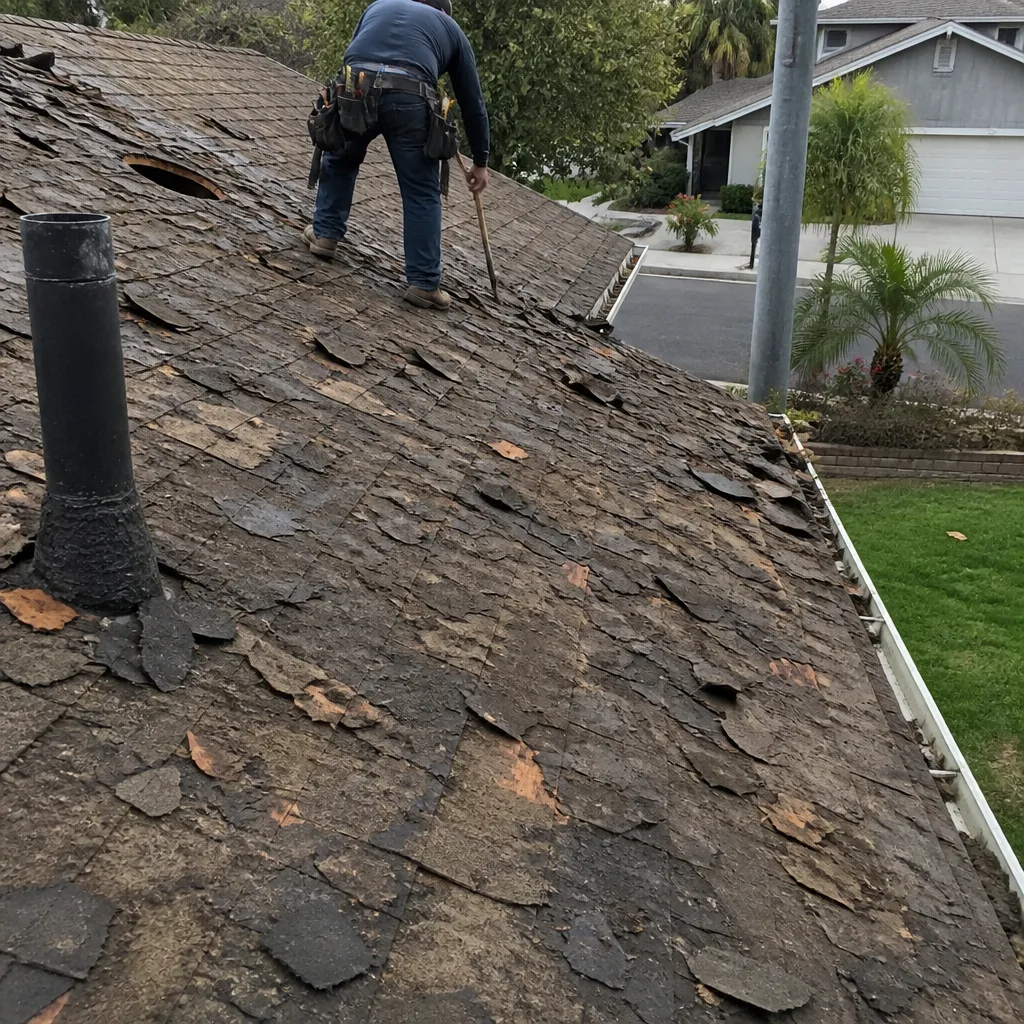 Before
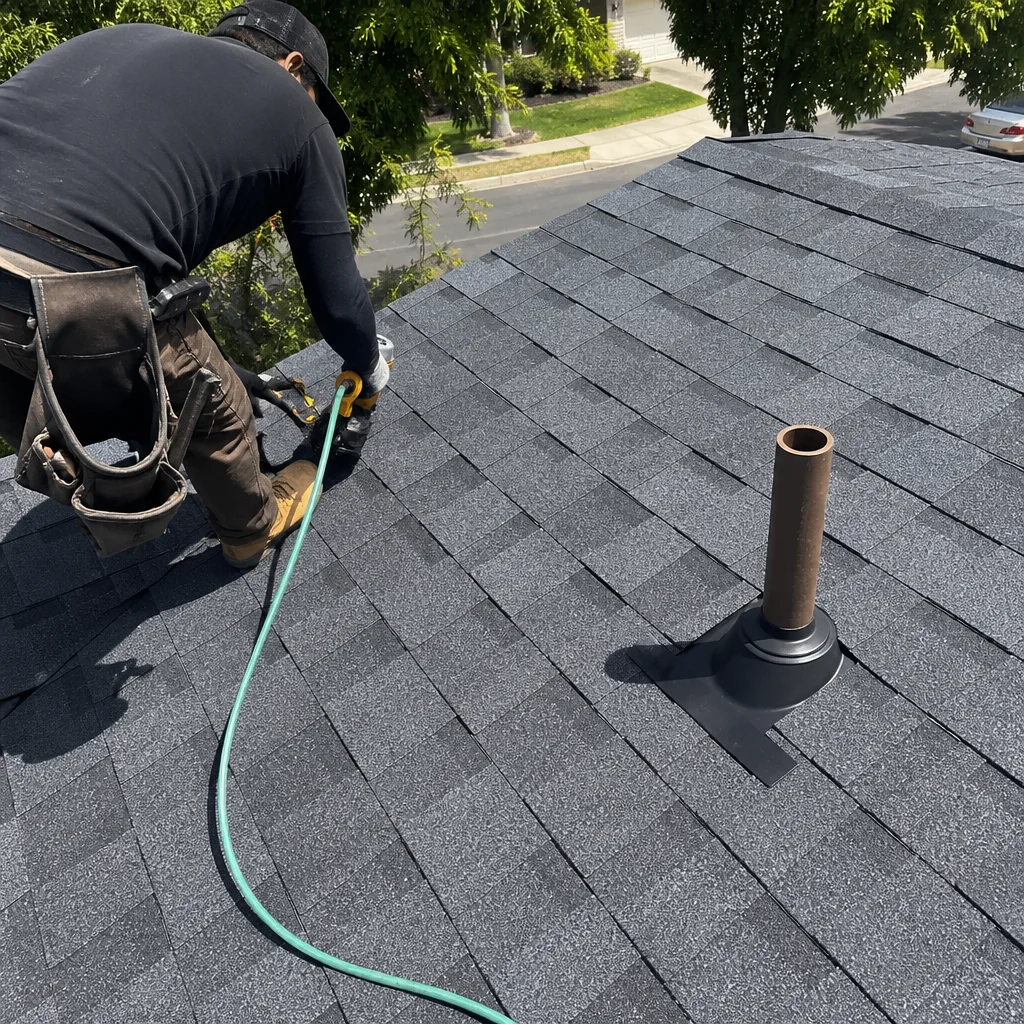 After
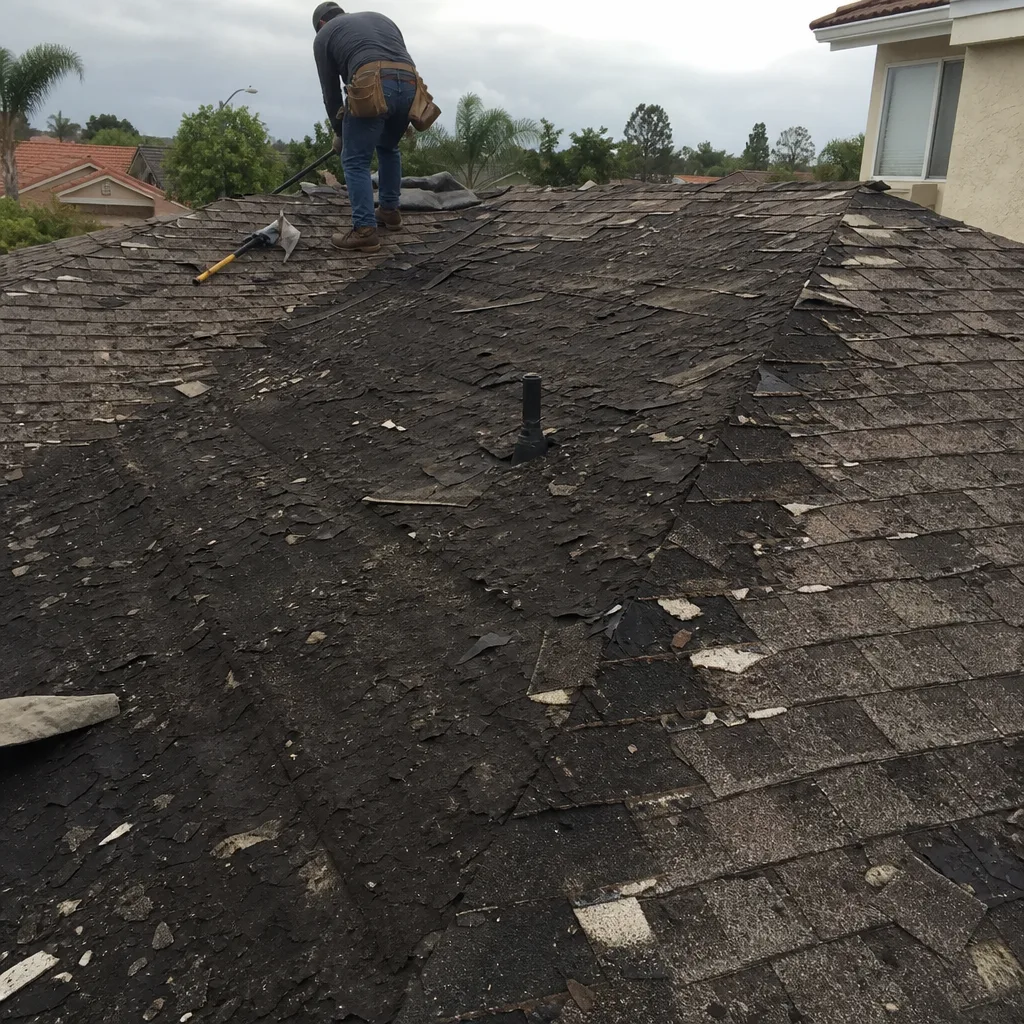 Before
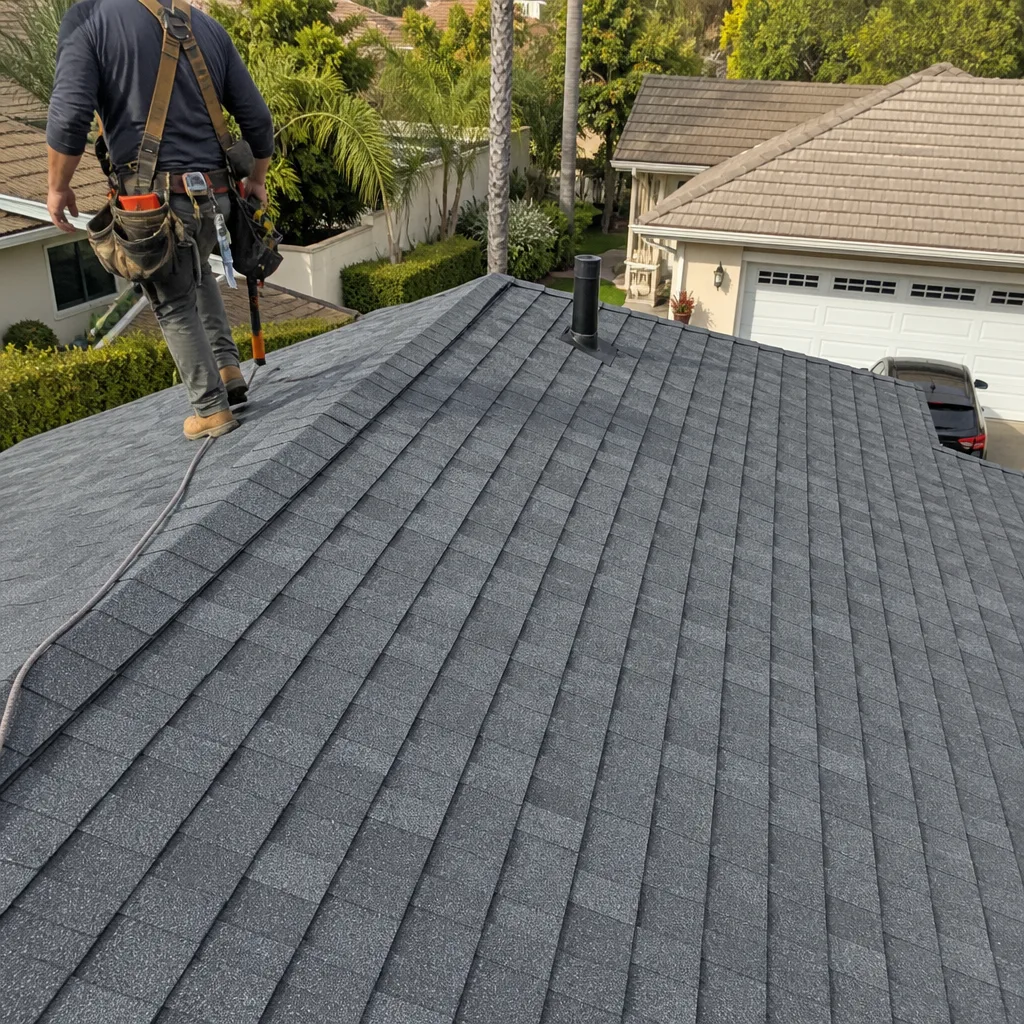 After
 Before
 After