
Last updated October 30, 2026
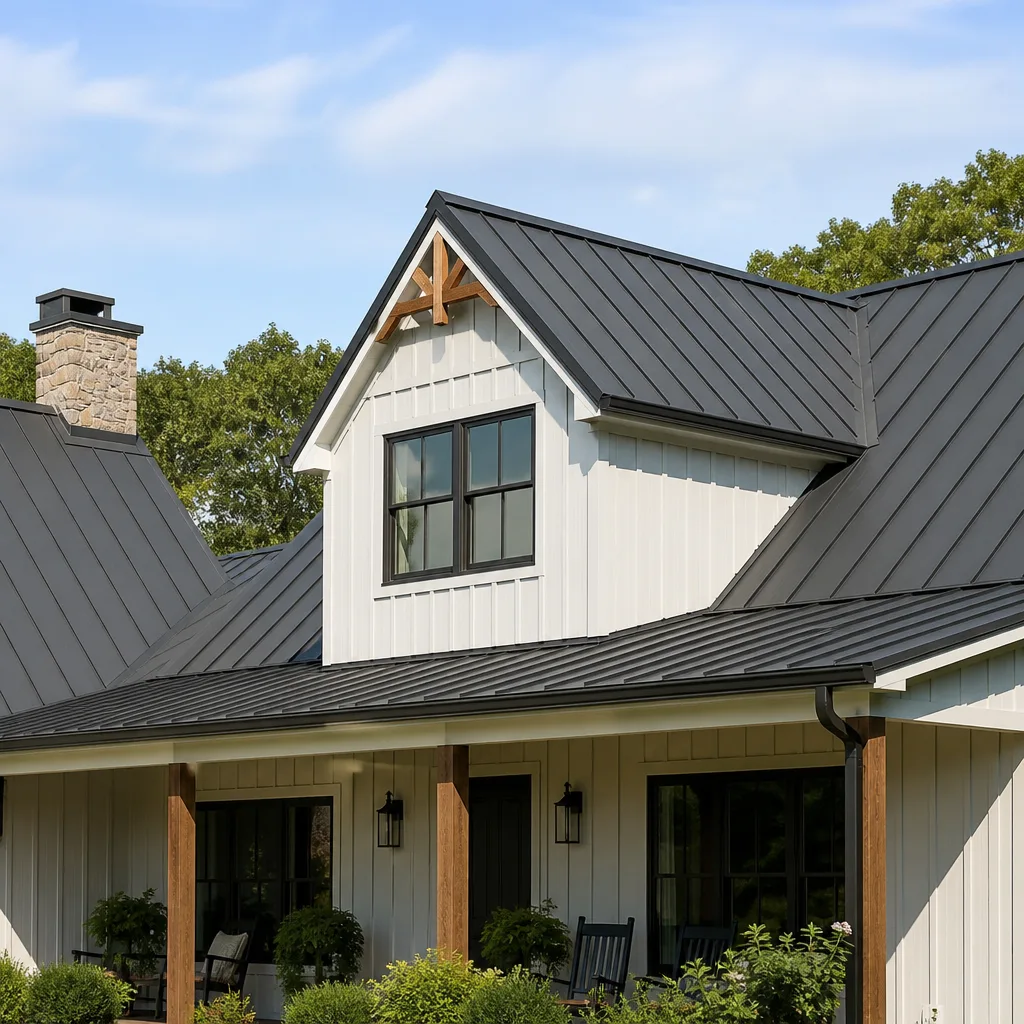 Metal roofing
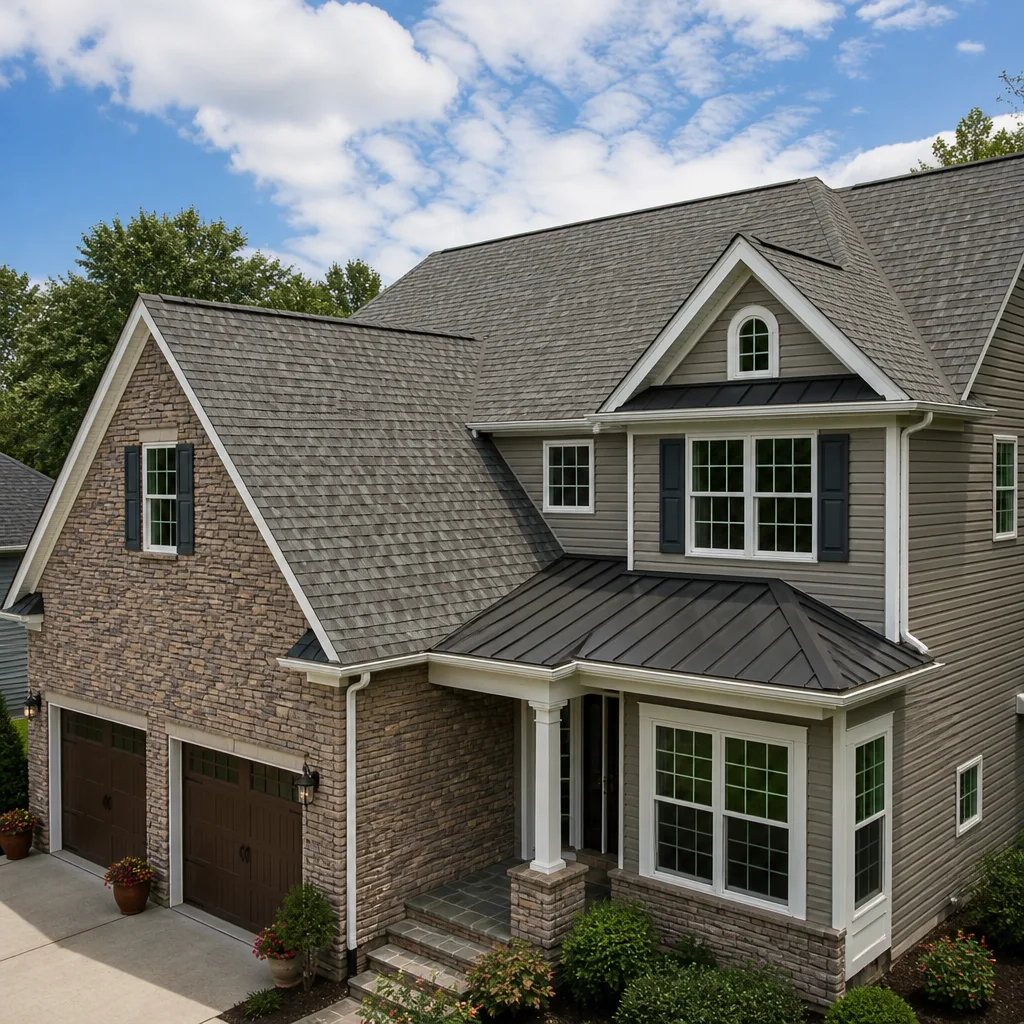 Architectural shingles
 Tile roofing
 GAF
 Owens Corning
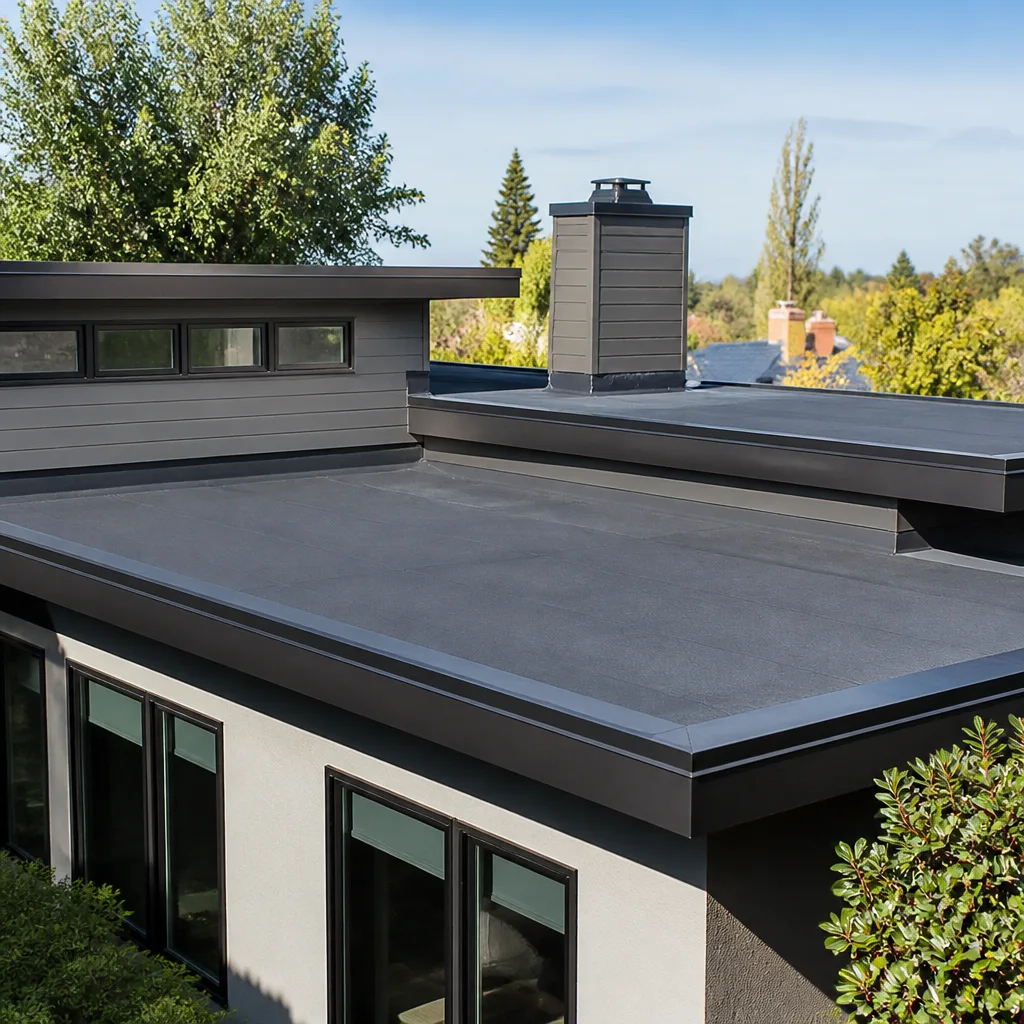 Flat & low-slope
Free roof inspection with deck photos before we talk money - GAF and Owens Corning certified installation
DIY vs Professional Roofing: The Mission Viejo Homeowner’s Decision Guide
Here’s the thing about roofing in Mission Viejo that most online guides won’t tell you: a $200 DIY repair on a shingle that blew loose during a Santa Ana wind event is a totally reasonable call, until you realize the manufacturer’s warranty clause requires licensed installation for any repair to remain in effect. You just handed the manufacturer a reason to deny your next claim, and you didn’t even know it. This guide walks through the actual costs, the actual laws, and the actual warranty language so you can decide with your eyes open instead of guessing, and you can explore more guides & resources for deeper context.
Styles & brands we work with
Quick Answer
For most Mission Viejo homeowners, professional roofing is the right call whenever the work touches the roof’s water-shedding layers: the shingles, underlayment, flashing, or any structure beneath them. DIY is genuinely appropriate for a small set of tasks, mainly gutter cleaning, visual inspection from the ground, and documenting damage for insurance. The deciding factor isn’t usually skill, it’s the warranty contract you signed when the roof was installed, plus the safety reality of working on a 5:12 or steeper pitch in a city where most homes sit on sloped lots.
Table of Contents
- What the Manufacturer Warranty Actually Says About DIY
- California’s $500 Rule: What You Can Legally Do Yourself
- The Three Roofing Tasks That Are Genuinely Safe to DIY
- Real Cost Comparison: Five Common Mission Viejo Repair Scenarios
- Roof Pitch and Safety: Where Mission Viejo Homes Actually Fall
- Santa Ana Wind Damage: The Mission Viejo-Specific Variable
- Common Mistakes to Avoid
- When to Call a Professional
- Frequently Asked Questions
- The Bottom Line
What the Manufacturer Warranty Actually Says About DIY
Most Mission Viejo homeowners don’t read their shingle warranty until something goes wrong. By then, it’s usually too late. The warranty language from the major manufacturers is consistent on one point: the warranty applies to the installation, not just the product, and installation means work performed by a licensed contractor. Here’s what the four biggest brands actually say, in plain English.
GAF
GAF’s Golden Pledge and System Plus warranties are explicit: the warranty is void if the roof is “not installed by a GAF-certified contractor” for the enhanced coverage tiers. Even the standard material warranty carries language requiring “proper installation” and reserves the right to deny claims where workmanship was performed by an unlicensed party. In practice, a DIY patch on a GAF roof means the manufacturer can point to the unauthorized repair and deny a future claim for leaks that originate anywhere near the patched area.
Owens Corning
Owens Corning’s warranty documents include a section titled “What This Warranty Does Not Cover,” which names “damage resulting from repairs or alterations made by anyone other than a licensed roofing contractor” as an exclusion. The language is broad enough that a single homeowner-performed repair can, in the manufacturer’s view, contaminate the entire warranty, not just the area touched.
CertainTeed
CertainTeed’s SureStart and SureStart Plus warranties require the roof to have been installed by a “CertainTeed credentialed contractor” for the full coverage period to apply. Their warranty transfer and claim process asks for documentation showing professional installation and repair history. If a homeowner says “I fixed it myself,” the claim review gets much harder to win.
IKO
IKO’s limited warranty covers manufacturing defects but explicitly excludes “damage caused by alterations, repairs, or modifications made by the building owner.” The company’s claims form asks for the installing contractor’s name and license number. If you don’t have one, the form still lets you submit, but the reviewer’s first question will be “who performed the repair that preceded this failure?”
The pattern here is consistent across all seven brands the Briarwood Roof Repair home team works with, not just these four. A roofing warranty is a contract, and like any contract, violating one clause gives the other party an exit. On a five-year-old roof with fifteen years of warranty left, a $200 DIY fix can quietly zero out the remaining coverage on the entire system. That’s the hidden cost nobody puts on the DIY blog post.
California’s $500 Rule: What You Can Legally Do Yourself
California law is unusually specific about this. The Contractors State License Board (CSLB) says that any construction project valued at $500 or more, including labor and materials, requires a licensed contractor. For roofing, the threshold is almost always crossed immediately: a bundle of architectural shingles costs $40 to $60, underlayment is $30 to $50 per roll, and even a small repair area needs flashing, sealant, and fasteners. Add your own time at minimum wage, and you’re over $500 before lunch.
Here’s how the $500 rule plays out in practice for Mission Viejo homeowners:
- If the materials alone cost over $500, the job legally requires a licensed contractor, regardless of how simple the work seems.
- If a homeowner hires an unlicensed individual to do any roofing work, the homeowner becomes the employer and is liable for injuries, workers’ compensation, and any code violations that follow.
- If an unlicensed contractor performs work and takes payment, California law allows the homeowner to recover everything paid, because the contract was illegal from the start.
- If a licensed contractor performs work without pulling a required permit, the homeowner can file a complaint with the CSLB, and the contractor faces disciplinary action.
For roofing specifically, most Mission Viejo repair and replacement work requires a building permit from the City of Mission Viejo’s Building Services division. Permits exist to protect the homeowner, and unpermitted work is a red flag during any future home sale or refinance appraisal.
The reality: the pool of roofing tasks that stay under $500 in materials is tiny. It includes things like replacing a single torn shingle, applying a dollop of roofing sealant to a visible nail pop, or clearing debris from a valley. Beyond that, you’re over the legal threshold, and you should be calling a Roof Repair in Mission Viejo professional who carries the license and the insurance.
The Three Roofing Tasks That Are Genuinely Safe to DIY
We’ve spent years repairing roofs in Mission Viejo, and we’ll tell you straight: there are exactly three things a homeowner can do that are safe, legal, and warranty-neutral. For everything else, see How to Hire a Roofing Contractor in Mission Viejo: A Step-by-Step Guide.
- Gutter and valley debris clearing from the ground or a stable ladder. Mission Viejo’s mature eucalyptus trees drop leaves and bark into gutters year-round, and the Santa Ana winds make it worse between September and February. Clearing a clogged gutter from a ladder with a standoff arm, or from the ground with a telescoping tool, is genuinely safe and has zero roofing implications, as long as you never set foot on the roof surface to do it.
- Visual inspection from the ground using binoculars or a phone camera. You can spot missing shingles, lifted ridge caps, cracked tiles, and visible flashing damage from the ground on most Mission Viejo homes. Take photos, note the date and weather conditions, and keep a running record. This documentation is useful for an insurance claim and costs nothing.
- Documenting storm damage immediately after a Santa Ana event. Walk the perimeter, photograph everything you can see, and note which direction the wind was blowing. This creates a before-and-after record that supports a professional Roof Inspection in Mission Viejo later. You’re not repairing, you’re documenting, which is entirely warranty-neutral.
That’s the whole list. Everything else, from replacing a shingle to resealing a pipe boot, touches the water-shedding system and has warranty, legal, or safety implications. We say this not to protect our business, but because we’ve pulled more homeowners off their roofs than we can count, and every one of them said the same thing: “It looked flat from the street.”
Real Cost Comparison: Five Common Mission Viejo Repair Scenarios
The math on DIY roofing almost always overlooks three line items: the cost of your time, the cost of the tools you’re buying for one job, and the cost of the risk you’re taking. Here’s the honest comparison for the five repairs we see most often in Mission Viejo, with pricing based on Orange County material costs and typical South Orange County labor rates as of early 2026. For a structured way to stay ahead of issues, use our Roof Repair Maintenance Checklist for Mission Viejo Homeowners.
| Repair Scenario | DIY Material + Tool Cost | Professional Cost Range | What Most People Overlook |
|---|---|---|---|
| Single missing or torn shingle | $60 – $120 (one bundle, roofing nails, sealant, ladder if needed) | $180 – $300 | The bundle covers 25 shingles; you use one, the rest sit in your garage for a decade |
| Pipe boot or vent flashing reseal | $40 – $90 (sealant, flashing, tools) | $150 – $275 | The old flashing usually needs removal, not just resealing; a fails in 6 months if you only seal it |
| Ridge cap replacement (2 – 4 caps) | $60 – $110 (caps, adhesive, nails) | $200 – $400 | Ridge caps need special adhesive and proper nail placement; wind uplift resistance depends on it |
| Small leak repair in a valley | $80 – $150 (materials, sealant, tools) | $350 – $700 | Valley leaks are almost never where the water appears; finding the source takes experience |
| Flashing repair at a chimney or skylight | $100 – $250 (flashing, sealant, fasteners) | $400 – $900 | Improper flashing is the #1 cause of repeat leaks; this is precision work |
For a truly minor issue like a single missing shingle, the professional repair costs about $120 more than the DIY attempt, and that $120 buys you a licensed contractor, insurance coverage if anything goes wrong, and a repair that does not void the manufacturer’s warranty. For anything more complex, the gap narrows even further when you account for the time you’d spend on a roof you don’t work on every day.
We also see the “DIY repair, then professional repair” pattern constantly in Mission Viejo. The homeowner spends $120 and a Saturday on a patch, it fails in four months because the underlying issue was never addressed, and then the professional repair costs more because the failed patch has to be undone first. The $120 savings becomes a $300 loss.
Roof Pitch and Safety: Where Mission Viejo Homes Actually Fall
Roof pitch is measured as the ratio of vertical rise to horizontal run. A 4:12 pitch rises four inches for every foot of horizontal run. Here’s the safety reality for the person standing on it:
- 2:12 to 4:12 pitch: Walkable with standard roofing shoes or a roof ladder. Most single-story Mission Viejo homes built in the 1960s through 1980s fall in this range.
- 5:12 to 7:12 pitch: Requires a roof jack or staging. Slips become slides, and stopping yourself is no longer guaranteed. Many two-story Mission Viejo homes, especially in neighborhoods like Aegean Heights and the hillside tracts above Crown Valley Parkway, fall here.
- 8:12 and steeper: Requires fall-arrest equipment and a safety harness. Non-professional safety equipment like a garden hose tied around the chimney or a rope anchored to a car bumper is not adequate, and we’ve seen both. The steeper hillside lots in Mission Viejo, especially in areas like Pacific Hills and most of the custom-built homes along Oso Parkway, often have roofs in this range.
Mission Viejo’s terrain makes this worse than it looks on paper. Many homes are built into the hills, meaning the downhill side of the roof is much higher from the ground than the uphill side. A roof that looks like a 4:12 from the street can be a 12-foot drop off the back in a matter of steps. The psychological effect is real too: people freeze up, make unsteady movements, and drop tools, which becomes a projectile hazard to anyone below.
Professional roofers in South Orange County carry fall-protection equipment, and they’re required to by Cal/OSHA. The cost of a professional repair includes the cost of keeping a human being safe while they work on your roof, which is genuinely worth something.
Santa Ana Wind Damage: The Mission Viejo-Specific Variable
Mission Viejo sits in a wind corridor that most of Orange County doesn’t experience the same way. The Santa Ana winds come down through the Santa Ana Mountains and pick up speed as they channel through the canyons that feed into the Saddleback Valley. In neighborhoods like Lake Mission Viejo, the wind off the water adds another layer of uplift pressure. In the higher tracts along Oso and Antonio Parkways, wind gusts regularly exceed 50 mph during a Santa Ana event, and we’ve measured gusts over 70 mph on ridge lines.
What this means for the DIY decision: wind damage to a Mission Viejo roof is rarely isolated. When one shingle lifts, the wind has already been working on every shingle around it, loosening the adhesive bonds and pulling nails slightly. A homeowner who replaces the one visible shingle and calls it done is leaving 20 weakened shingles behind, and the next Santa Ana event takes them all off.
Wind-driven rain is the other Mission Viejo variable. A leak that appears during a Santa Ana event is often not a simple hole; it’s water being pushed up under shingles from the eave, then traveling along the underlayment until it finds a seam. The repair requires understanding of how wind and water interact on a roof, not just a tube of sealant. This is exactly the scenario where manufacturer warranties matter most, and exactly the scenario where a DIY patch gives the manufacturer its cleanest denial: “the leak resulted from an unauthorized repair that did not follow our installation specifications.”
Common Mistakes to Avoid
- Assuming the warranty covers the roof no matter what. Every major shingle manufacturer, including Owens Corning and GAF, has language excluding homeowner-performed repairs. Read the warranty before you touch the roof.
- Underestimating the $500 threshold. A bundle of shingles, a roll of underlayment, a bag of nails, a tube of sealant, and a Saturday of your time puts you over California’s $500 limit. The job is then legally a contractor’s job.
- Ignoring Mission Viejo’s wind reality. The Saddleback Valley gets Santa Ana winds that damage roofs in patterns, not isolated spots. Fixing one shingle leaves the pattern intact.
- Neglecting the permit question. Mission Viejo requires permits for most roofing work beyond in-kind repair. An unpermitted roof is a future sales problem and a current insurance problem.
- Climbing a steep pitch in sneakers. We’ve responded to too many Mission Viejo homes where a homeowner slipped on a 7:12 roof and ended up with a broken ankle, a broken tile line, and a repair bill bigger than the one they were trying to avoid.
- Treating a repair as a patch rather than a fix. The most expensive roof repairs in Mission Viejo are the ones where a homeowner’s failed patch has to be removed before the real repair can begin.
- Assuming all roofing contractors are pushing replacement. The right contractor will tell you when a repair is sufficient. A roof assessment should be an assessment, not a sales pitch. That’s exactly what a standalone Roof Inspection in Mission Viejo is for.
When to Call a Professional
Call a professional whenever the repair involves the water-shedding layers: shingles, underlayment, flashing, valleys, ridge caps, vents, skylights, or the decking beneath them. Call a professional when the leak source isn’t obvious from the ground. Call a professional when multiple shingles are damaged, when the roof is over 15 years old, or when you’re planning to sell the home and need an honest condition report. We work with all seven major shingle brands, including GAF, CertainTeed, and Owens Corning, so the repair will match the roof you actually have, not the product a contractor happens to sell. Briarwood Roof Repair offers free estimates in Mission Viejo, call (855) 707-6114 to schedule one.
Frequently Asked Questions
Most Mission Viejo roof repairs cost between $180 and $900 depending on the scope. A single shingle replacement runs $180 to $300, a pipe boot reseal runs $150 to $275, and flashing work around a chimney or skylight runs $400 to $900. Valley leak repairs are the hardest to estimate because the leak source is rarely where the water shows up inside the home. Call (855) 707-6114 for a line-item quote on your specific roof, estimates are free.
Yes, in most cases. GAF, Owens Corning, CertainTeed, and IKO all include language in their warranty documents excluding damage caused by repairs performed by anyone other than a licensed roofing contractor. The warranty on a five-year-old roof can be effectively voided by a $60 DIY patch, which is why a Roof Replacement in Mission Viejo or repair should always go through a licensed contractor who can document the work.
Under California CSLB rules, you can perform construction work valued under $500 in materials and labor without a contractor’s license. For roofing, this effectively means gutter clearing, ground-level visual inspection, and storm damage documentation. Almost any repair that involves touching the roof surface crosses the $500 threshold, and the work legally requires a licensed contractor.
For most repairs that go beyond in-kind replacement of a few shingles, yes, Mission Viejo requires a building permit. Permits trigger inspections, and inspections protect you when you sell the home. A contractor who says a permit isn’t needed is usually trying to keep the job cheap, which usually means it’s not code-compliant.
In Mission Viejo, yes. One missing shingle exposes the underlayment to UV and rain, and the edges around it become wind-lift points. During the next Santa Ana event, the wind works on those edges, and one missing shingle becomes ten. It’s a $180 to $300 repair now or a $1,500+ repair in six months.
Inspection pricing varies, but the key question is whether the inspection is an honest assessment or a sales appointment in disguise. A standalone inspection should tell you what condition the roof is in, what needs attention now, what can wait, and what the remaining life looks like. Call (855) 707-6114 to ask about our inspection service, we’re happy to quote a price over the phone.
The Bottom Line
The DIY vs professional roofing decision in Mission Viejo is rarely decided by skill or cost alone. It’s decided by three things most homeowners never think about until it’s too late: the manufacturer’s warranty fine print, California’s $500 contractor license threshold, and the wind-driven reality of living in the Saddleback Valley. The genuinely safe DIY tasks are gutter clearing, ground inspection, and documentation. Everything else carries hidden costs that make professional repair the smarter financial move, not just the safer one. When the time comes, call a roofer who works with the brand already on your roof, not one who only sells their own.
Written by the team at Briarwood Roof Repair, serving Mission Viejo since 2014.
See the difference
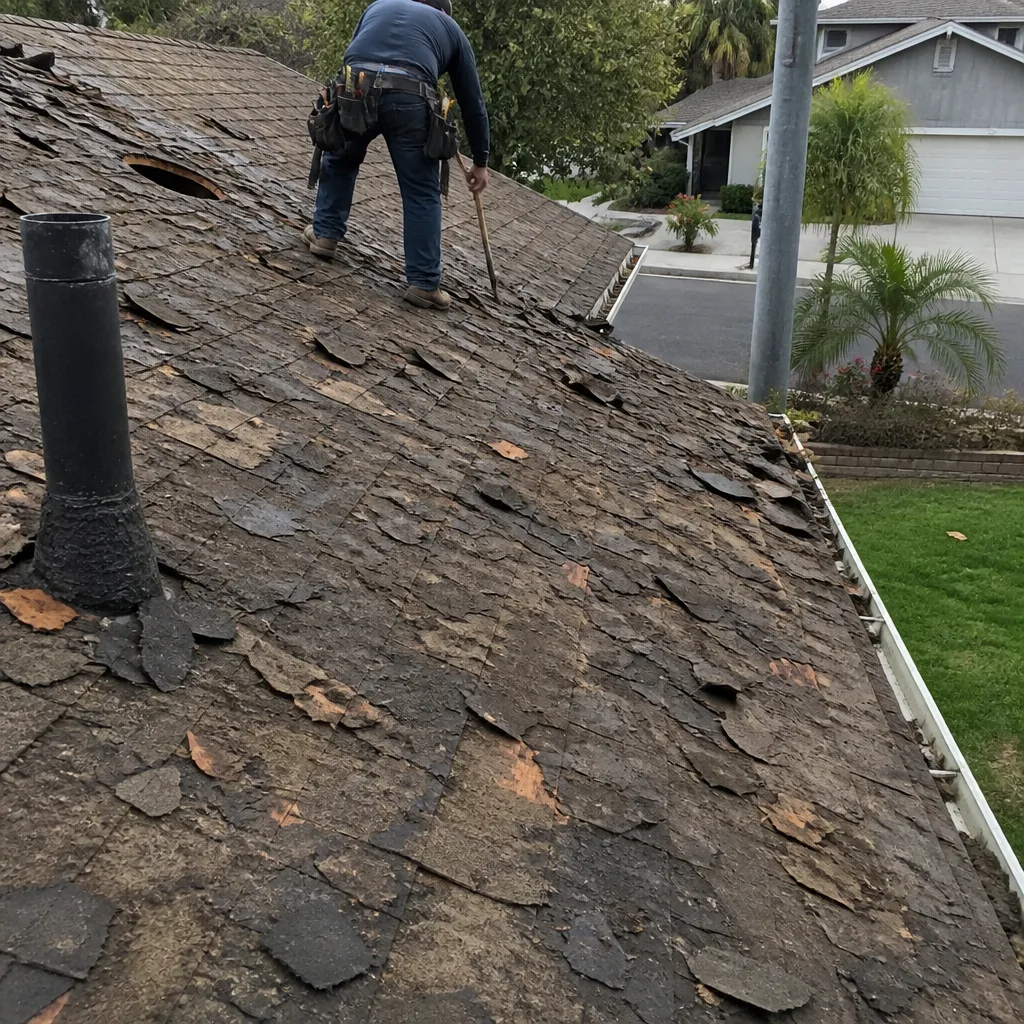 Before
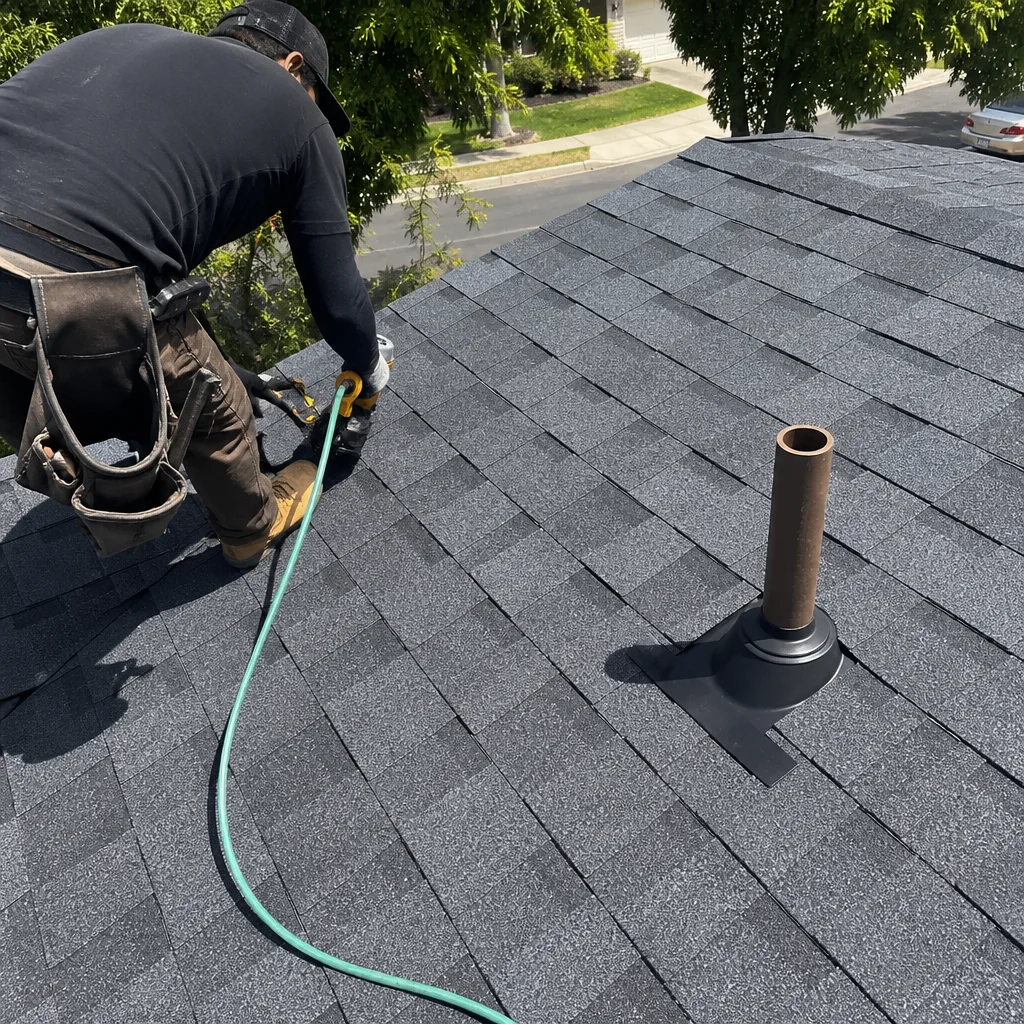 After
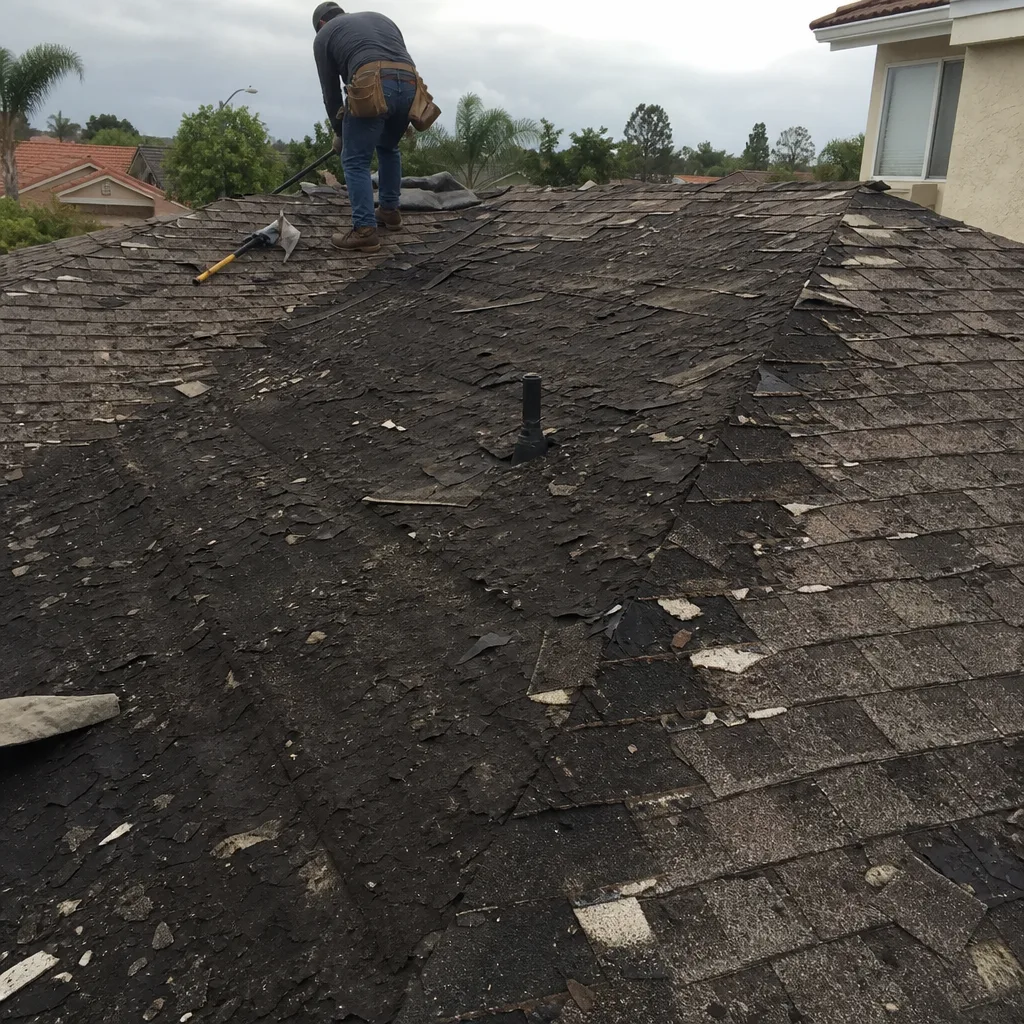 Before
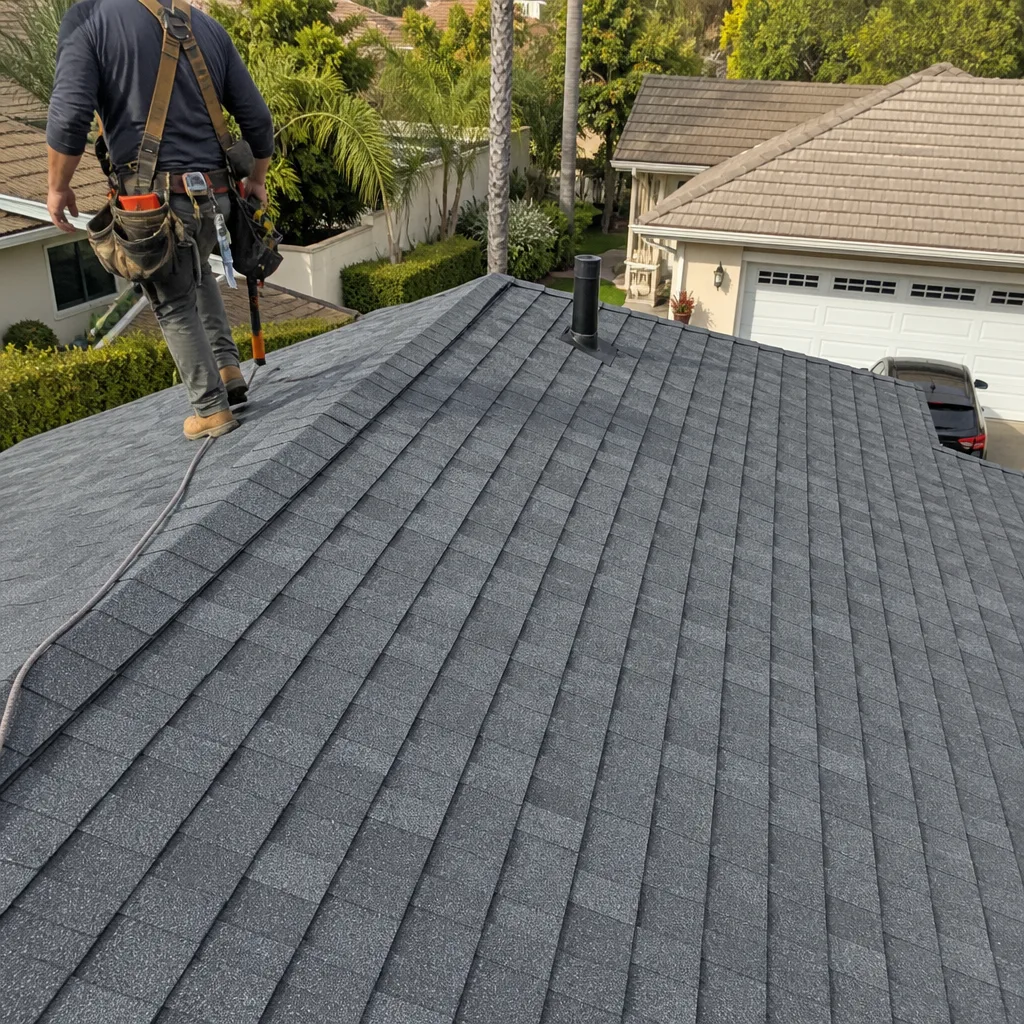 After
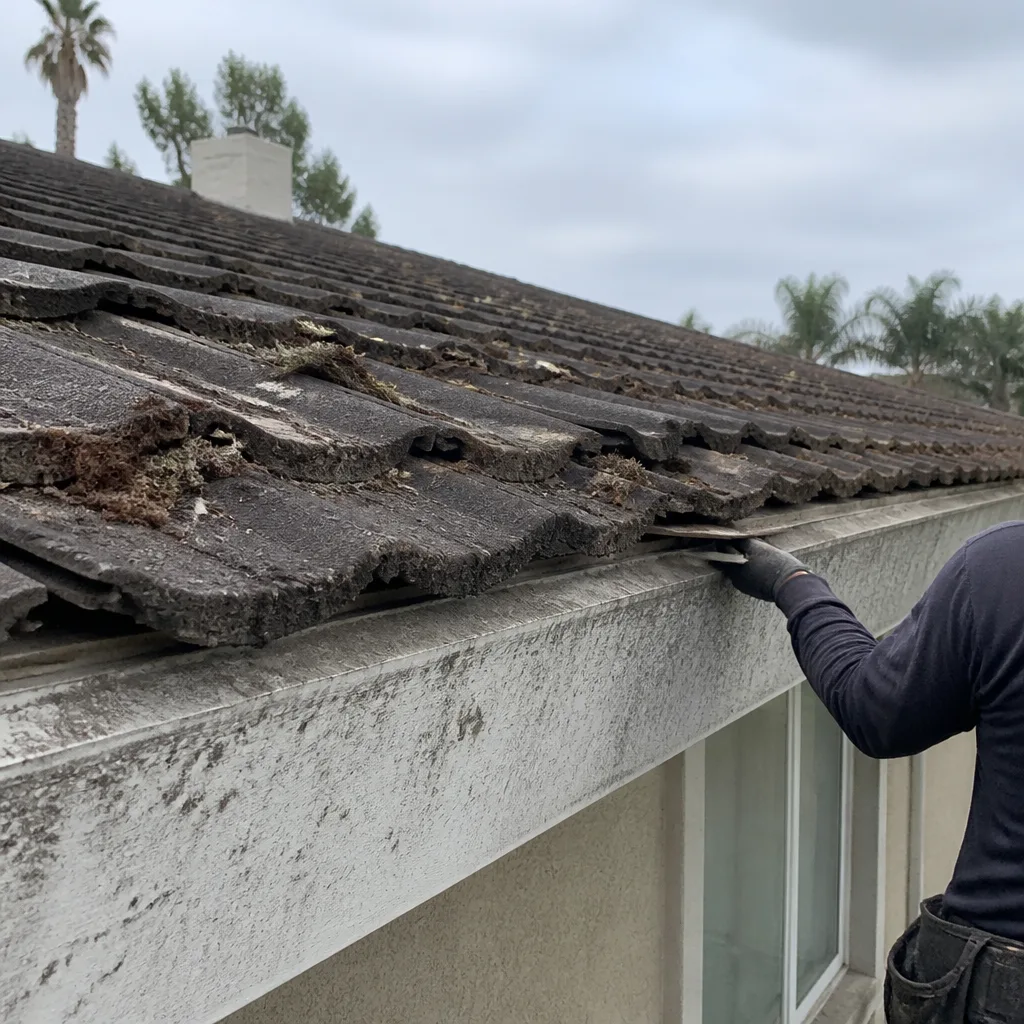 Before
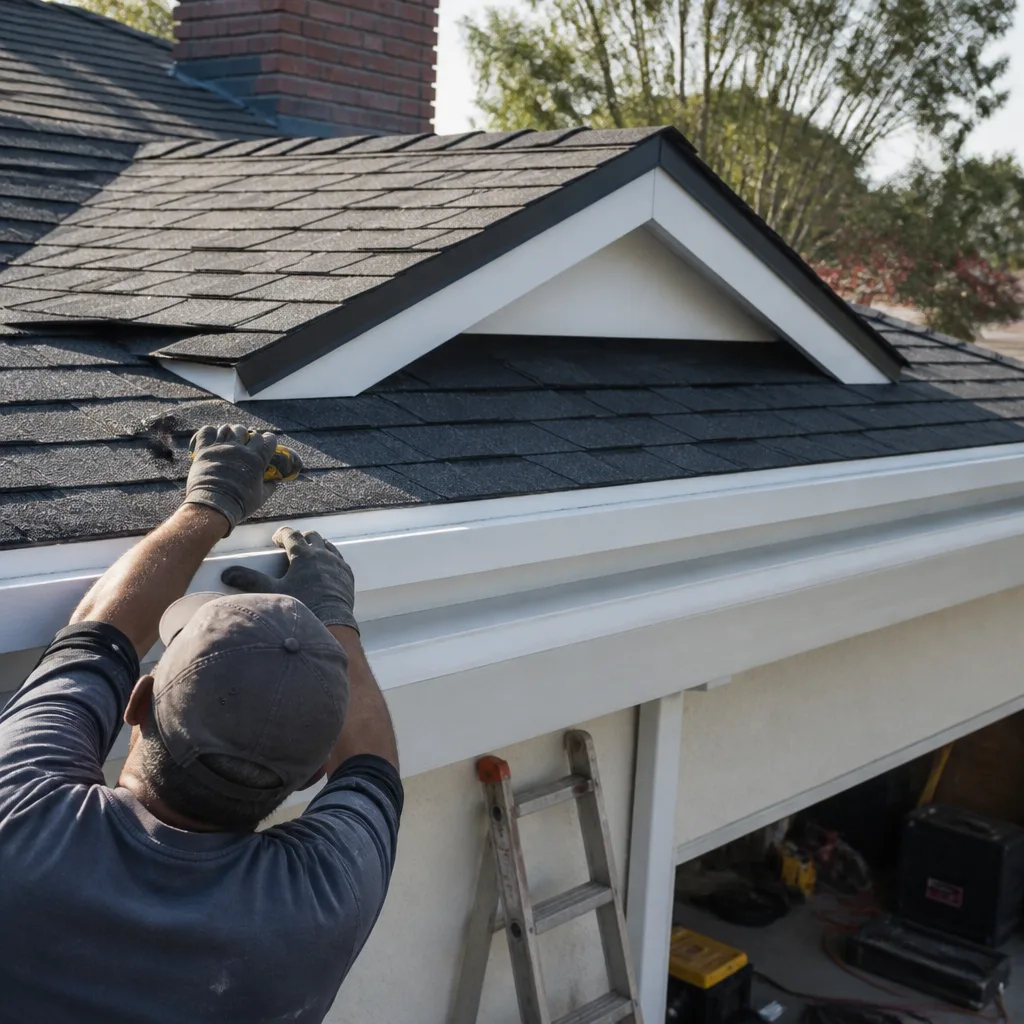 After